Home / Articles / LGBTQ+ Weddings
Gay-Friendly Wedding Venues Across the UK
Key Takeaways
- A venue listing itself as inclusive is not the same as having genuine experience hosting same-sex weddings
- Ask venues how many LGBTQ+ weddings they have hosted in the past two years before booking
- Red flags include gendered-only forms, no same-sex photos on the website and vague answers about experience
- Country houses, converted barns, boutique hotels and independent venues tend to be the most welcoming
- Scotland offers legally recognised humanist ceremonies, giving LGBTQ+ couples more outdoor venue options
Gay-friendly wedding venues are not simply places that accept bookings from same-sex couples. They are venues with real experience, trained staff, gender-neutral paperwork, and a genuine understanding of what LGBTQ+ couples need on their wedding day. The difference between tolerance and enthusiasm is something you will feel the moment you walk through the door.
Since same-sex marriage became legal in England and Wales in March 2014, thousands of LGBTQ+ couples have married across the UK. The best venues have built up years of experience, refined their approach, and have portfolios full of real same-sex weddings. Others are still catching up. Knowing how to tell the difference saves you time, money and emotional energy.
This guide covers what makes a venue genuinely welcoming, the questions to ask before you book, red flags to watch for, and the venue types that consistently deliver for LGBTQ+ couples across every region of the UK.
What makes a wedding venue genuinely LGBTQ+ friendly?
There is a measurable gap between a venue that says “everyone is welcome” on its website and one that has actually hosted 30 same-sex weddings. The first is a statement. The second is evidence.
A genuinely gay-friendly venue shows its experience in tangible ways. Its website features photos of real same-sex couples, not just stock images. Its booking forms say “Partner 1” and “Partner 2” rather than “Bride” and “Groom.” Its staff use the right pronouns without being prompted. Its coordinators know that two brides might want separate getting-ready spaces, or that two grooms might want to walk down the aisle together.
Staff training and awareness
Venue staff interact with your guests throughout the day. A coordinator who confidently announces “the happy couple” rather than fumbling with gendered language sets the tone. Bar staff, waiters and parking attendants should all understand that this is a celebration, not something to be whispered about.
Ask whether the venue has provided LGBTQ+ awareness training for all customer-facing staff. Some venues partner with organisations like Stonewall or the Gay Wedding Guide for formal training. Others learn through experience. Both routes are valid, but the result should be the same: your guests feel welcome from the car park to the dance floor.
Contracts and paperwork
Read the booking contract before signing. Are the terms gender-neutral throughout? Does the venue’s planning questionnaire ask about “partners” rather than “bride and groom”? Small language choices in official documents reveal whether inclusivity is built into the business or bolted on as an afterthought.
If a venue sends you a contract full of gendered language and says “just cross it out and write in what applies,” that is not a red flag exactly, but it suggests they have not updated their systems. A venue that has hosted many LGBTQ+ weddings will have sorted this years ago.
Questions to ask venues before booking
Asking direct questions during your first visit is the fastest way to gauge a venue’s real experience. Here are the ones that matter most.
How many same-sex weddings have you hosted in the past two years? A specific number tells you more than any marketing copy. If the answer is vague (“a few” or “some”), press for details.
Can we see photos or read testimonials from LGBTQ+ couples? Any venue proud of its inclusive track record will have these ready. If they cannot produce a single example, that tells you something.
Are your staff trained on LGBTQ+ etiquette? This covers pronoun awareness, avoiding assumptions about roles, and knowing not to ask “so who’s the bride?” to two grooms.
Do you have two separate getting-ready spaces? Not every couple wants this, but the option matters. Some venues only have one bridal suite and assume the other partner will use a standard hotel room. A venue experienced with same-sex weddings will have thought about this.
What is your approach to ceremony setup? Traditional setups split guests into “bride’s side” and “groom’s side.” This does not work for all LGBTQ+ weddings. Ask whether the venue can arrange seating in a circle, in rows without a dividing aisle, or in any configuration you prefer.
Who are your preferred registrars or celebrants? Some registrars are notably warm and skilled with same-sex ceremonies. A venue that can recommend specific registrars who are brilliant with LGBTQ+ couples has done this before.
For broader venue questions beyond LGBTQ+ specifics, our questions to ask your wedding venue guide covers the full list.
Red flags that a venue is not truly inclusive
Most venues will not openly turn you away. Discrimination is illegal under the Equality Act 2010. But there is a wide spectrum between legal compliance and genuine welcome. These are the warning signs.
Vague or evasive answers
When you ask about LGBTQ+ experience and the coordinator says “we welcome everyone” without providing specifics, that is not reassuring. It is a non-answer. A venue with genuine experience will give you names, dates and stories.
No same-sex imagery anywhere
Check the venue’s website, Instagram, Facebook and any brochure they hand you. If every single image shows a man and a woman, the venue either has not hosted same-sex weddings or does not think to feature them. Both are problems.
Gendered language throughout
If every page of their website, every template email and every planning document defaults to “bride and groom,” the venue has not made the effort to update. This is fixable, but if they have not bothered by 2026, it suggests LGBTQ+ couples are not a priority.
The awkward pause
You will know it when you feel it. You mention your partner by name, or say “my wife” or “my husband,” and there is a beat of silence before the coordinator recalibrates. One pause might mean nothing. A pattern of hesitation means this venue will make you feel like an exception rather than a celebration.
Overly performative enthusiasm
The opposite extreme can also be a warning. A coordinator who immediately says “Oh, we LOVE gay weddings!” and gushes about how “brave” and “fabulous” you are may be well-meaning, but they are othering you. The best response to booking a same-sex wedding is the same as booking any wedding: professional warmth and practical questions about what you want.
Venue types that work well for LGBTQ+ couples
Different venue types offer different strengths. Here is how they tend to perform for same-sex weddings.
Country houses and estates
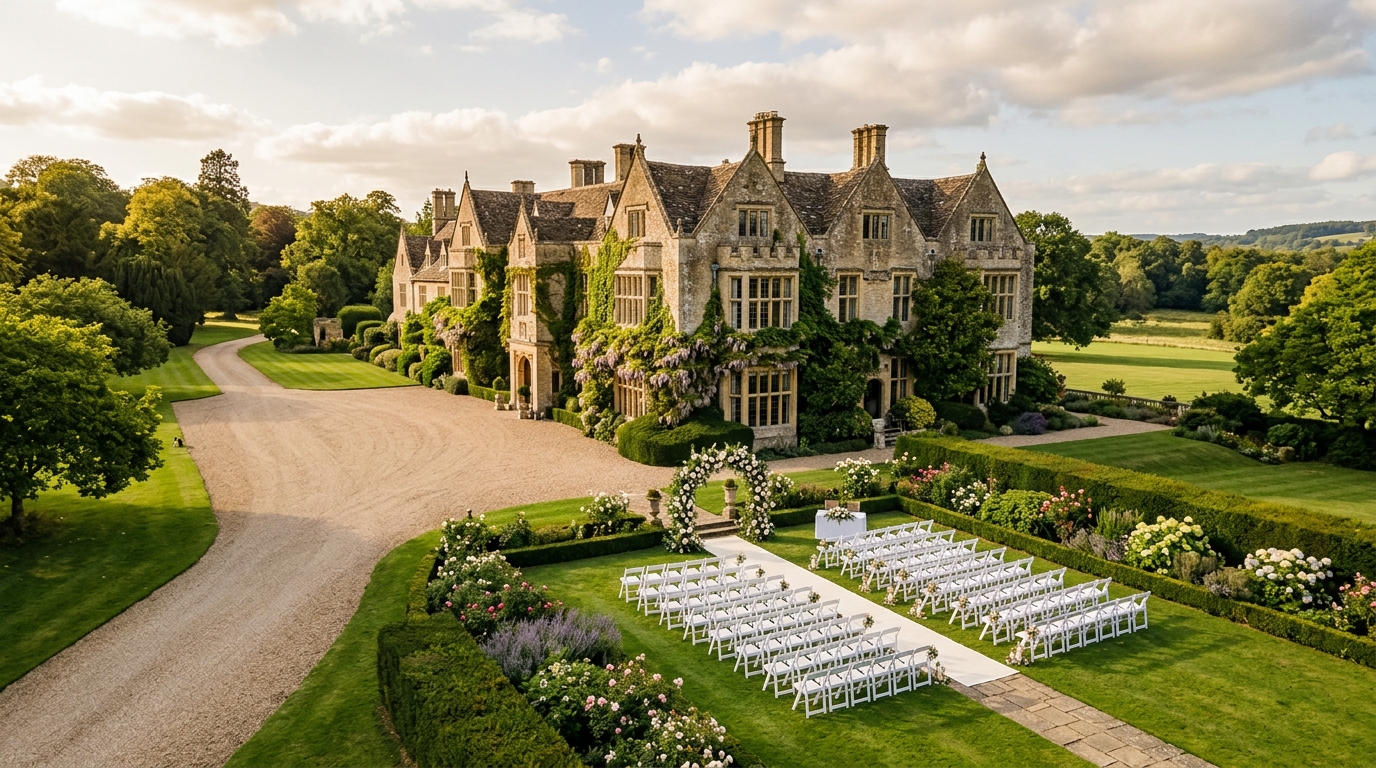
Grand country houses with landscaped grounds offer beautiful settings for ceremonies and receptions. Many are independently owned and have built strong reputations for inclusivity. The best ones have been hosting same-sex weddings since 2014 and treat them as entirely routine.
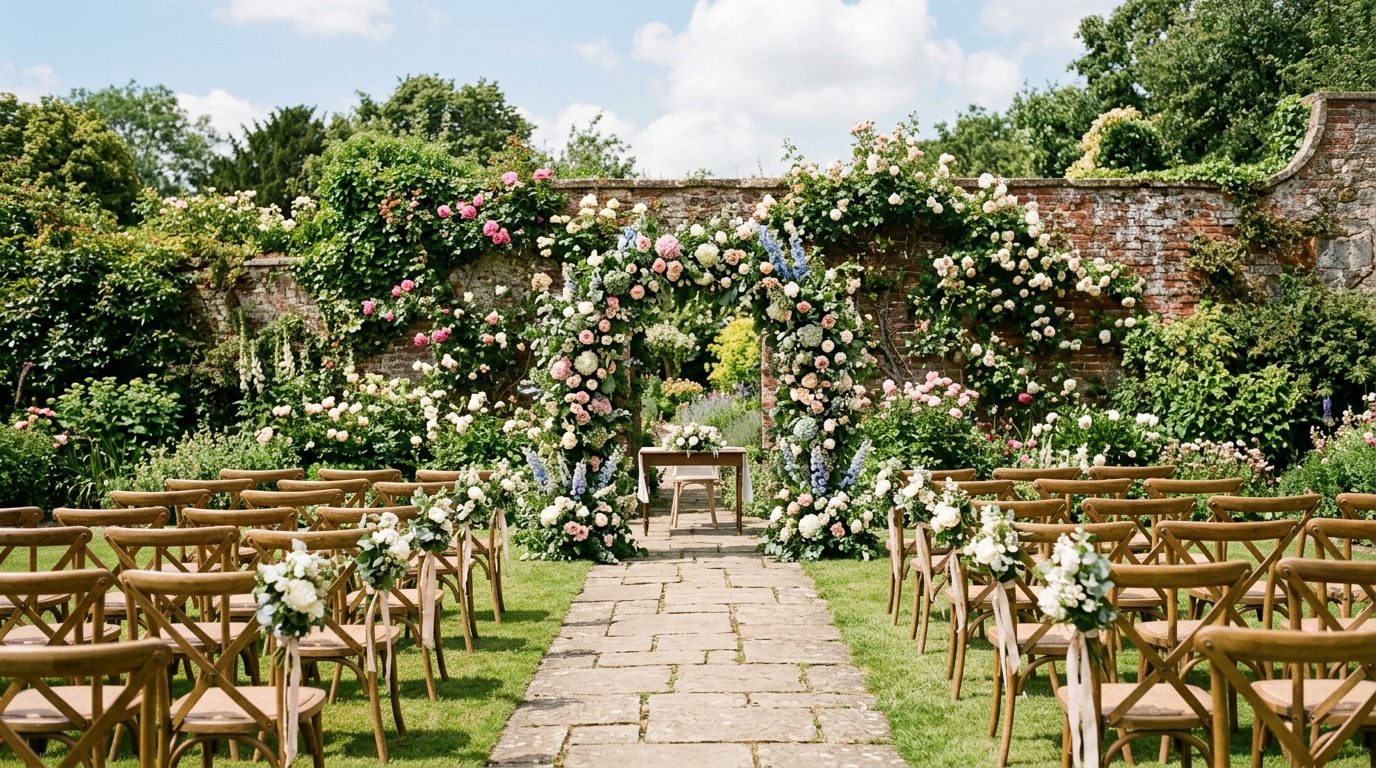
Look for country houses that are licensed for outdoor ceremonies. Since regulations changed in 2022 for England and Wales, many now have licensed garden areas, terraces or orangeries where you can hold the legal ceremony surrounded by nature.
Converted barns and farms
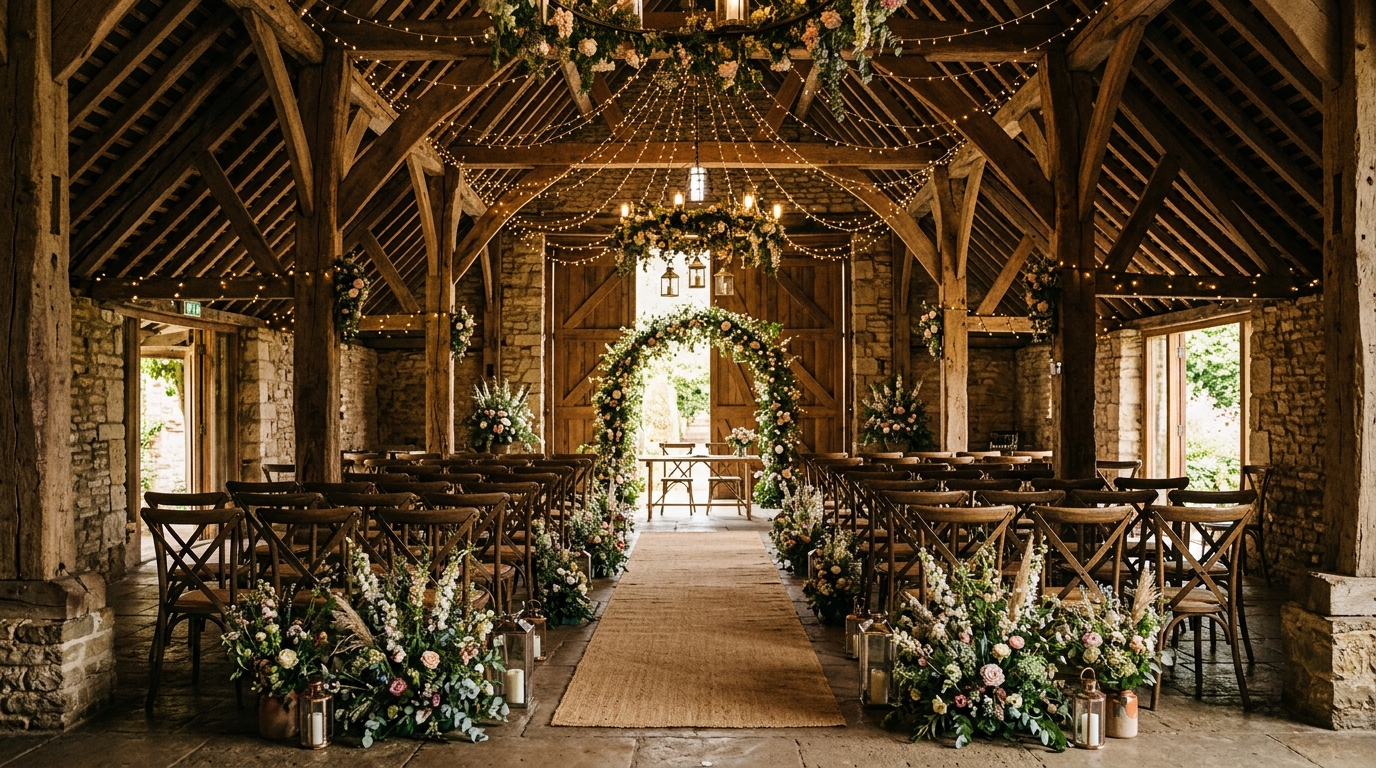
Barn venues are among the most popular wedding venues in the UK, and many have excellent LGBTQ+ track records. Their relaxed atmosphere suits couples who want a warm, informal celebration. The rustic setting photographs beautifully and the flexible open-plan spaces accommodate creative ceremony layouts.
One practical point: barn venues in rural areas may have limited public transport links. Consider transport for guests who do not drive, especially if your wedding attracts guests from cities.
Boutique hotels
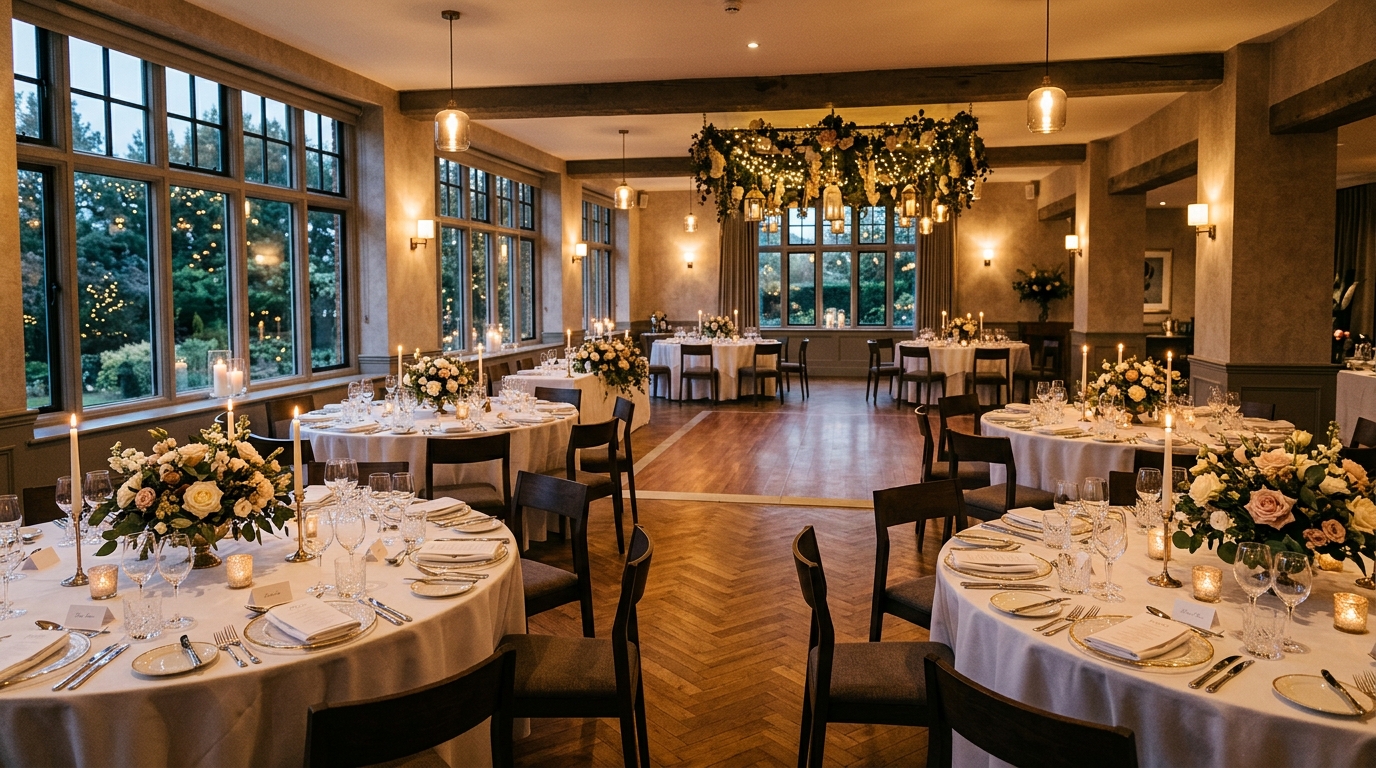
Smaller independent hotels often provide the most personalised service. A boutique hotel with 20 rooms and a dedicated events team will remember your names, your preferences and your story. Many boutique hotels in cities like Brighton, Manchester, Bristol and Edinburgh have extensive LGBTQ+ wedding experience.
The advantage of a hotel venue is convenience. Guests stay on site, getting-ready spaces are built in, and the transition from ceremony to reception to evening party happens without anyone needing to drive.
Registry offices and town halls
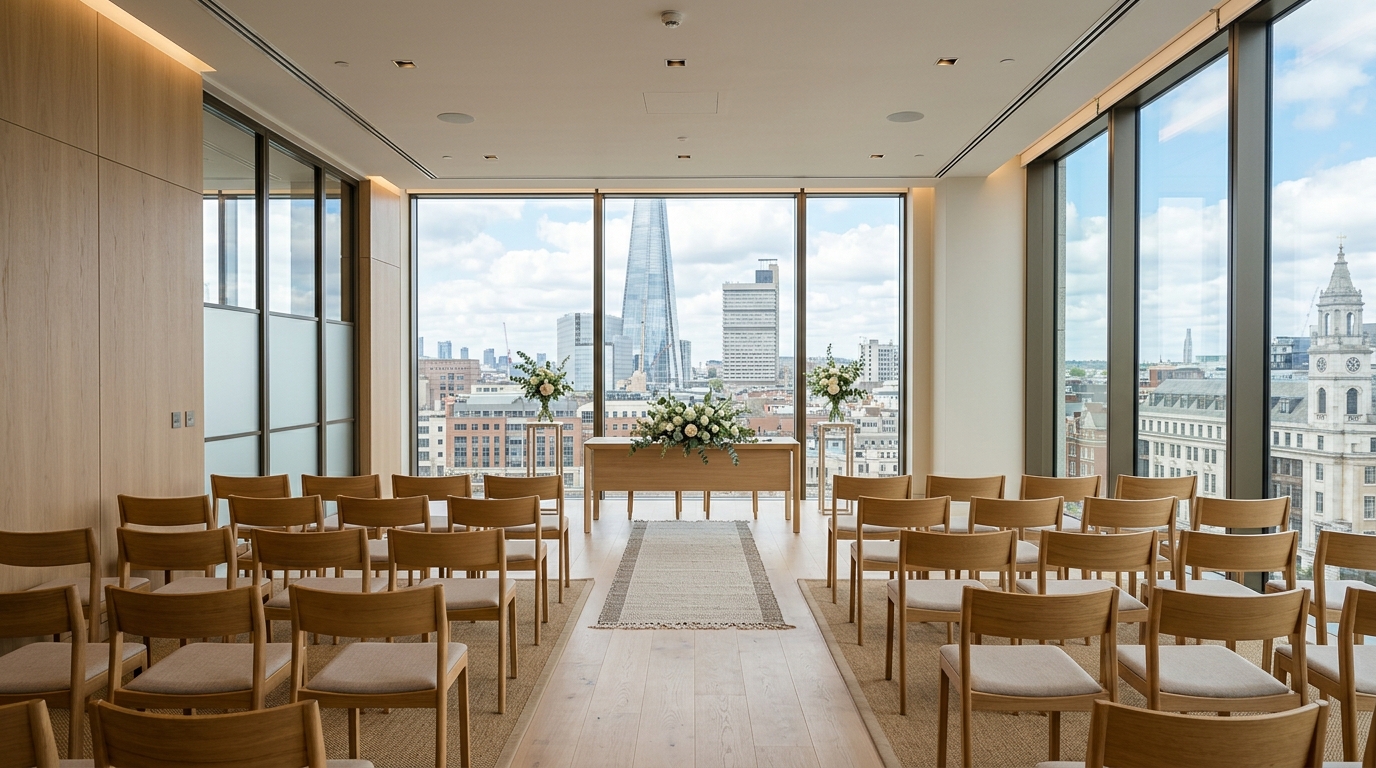
Registry offices are inclusive by default. Registrars are public servants trained to conduct ceremonies for all couples. The quality of the setting varies widely, from stunning Victorian town halls in Manchester, Leeds and Birmingham to functional council offices. If a beautiful building matters to you, research the specific registry office rather than assuming they are all alike.
Costs are the lowest of any venue type. A basic ceremony at a register office in England and Wales starts at around £57, with enhanced ceremony packages available at most locations.
Outdoor and festival-style venues
For couples who want something entirely different, outdoor venues offer freedom. Tipi weddings, festival-style celebrations in fields, woodland ceremonies and beach weddings are all possible.
In Scotland, legally recognised humanist ceremonies can take place anywhere, making truly outdoor weddings straightforward. In England and Wales, the venue (or a specific outdoor area within it) must be licensed, so check before assuming you can marry under a particular ancient oak tree.
Gay-friendly wedding venues by region
Every part of the UK has venues that actively welcome LGBTQ+ couples. Here is a regional overview to help narrow your search.
London and the South East
London has the largest concentration of LGBTQ+ experienced venues in the UK. From the grand rooms at One Marylebone to warehouse spaces in Shoreditch, the range is wide. Brighton, often called the UK’s queer capital, has dozens of venues with years of same-sex wedding experience. Surrey and Kent have country houses that combine proximity to London with rural settings.
The South West and Wales
Bristol is a strong hub for LGBTQ+ weddings, with boutique venues and independent hotels that have built genuine reputations. Devon and Cornwall offer coastal and countryside venues. South Wales has castles and country estates, many of which actively market to LGBTQ+ couples.
The Midlands
Birmingham’s jewellery quarter and city centre have several experienced venues. The Cotswolds straddles the Midlands and South West with barn conversions and manor houses. Derbyshire and the Peak District offer dramatic settings for outdoor ceremonies.
The North of England
Manchester has one of the UK’s most established LGBTQ+ communities and a corresponding depth of experienced venues. The Lake District, Yorkshire Dales and Northumberland offer stunning countryside settings. Leeds, Sheffield and Liverpool all have strong options in their city centres and surrounding areas.
Scotland
Scotland’s legalisation of humanist marriage gives LGBTQ+ couples far more outdoor ceremony options than the rest of the UK. Edinburgh and Glasgow both have thriving LGBTQ+ wedding scenes. The Highlands offer dramatic castle and estate venues for couples wanting something spectacular.
Northern Ireland
Same-sex marriage has been legal in Northern Ireland since January 2020. The wedding industry there is still building experience compared to the rest of the UK, but Belfast has several hotels and venues with genuine LGBTQ+ credentials, and the north coast offers striking ceremony locations.
Venue comparison: what to look for at a glance
This table compares the key practical features across venue types. Use it as a starting point when shortlisting.
| Venue type | Typical capacity | Separate getting-ready spaces | Outdoor ceremony option | On-site accommodation | Typical cost range (venue hire) |
|---|---|---|---|---|---|
| Country house | 80-200 | Usually yes | Often (licensed gardens) | Often yes | £3,000-£10,000 |
| Converted barn | 60-150 | Varies (check carefully) | Sometimes (adjacent areas) | Rarely on-site | £2,000-£7,000 |
| Boutique hotel | 40-120 | Yes (hotel rooms) | Varies by property | Yes | £2,500-£8,000 |
| Registry office | 10-100 | Usually not | No | No | £57-£600 |
| Outdoor/festival | 50-300+ | Bring your own (glamping tents) | Yes (the whole point) | Camping/glamping | £1,500-£6,000+ |
| City hall/grand venue | 100-500 | Varies | Rarely | Nearby hotels | £1,500-£5,000 |
Costs are for venue hire only and vary significantly by day, season and location. Saturday summer weddings command the highest prices everywhere. Midweek and winter dates can reduce costs by 30-50%.
For a full breakdown of venue costs, our wedding venue cost UK guide has current pricing data.
Humanist and non-religious ceremony options
Many LGBTQ+ couples want a ceremony that feels personal and meaningful without religious content. Humanist ceremonies are the most popular non-religious option, but they are not the only choice.
Humanist ceremonies
A humanist celebrant works with you to write a ceremony from scratch. There are no required words, no set format and no restrictions on content. You can marry in a field, on a beach, in a forest or anywhere that holds meaning for you.
In Scotland, humanist marriages are legally binding. The ceremony itself is the legal event. In England and Wales, a humanist ceremony is a personal celebration only. You will also need a brief legal registration at a register office or approved venue, which can happen before or after your humanist ceremony.
Interfaith and spiritual options
Some couples want spiritual elements without subscribing to a single religious tradition. Interfaith celebrants can weave together readings, rituals and blessings from multiple traditions. Handfasting, a Celtic ritual where the couple’s hands are bound together with ribbons, is popular at non-religious ceremonies.
If you want a religious or spiritual element, our wedding readings guide includes options from multiple faith traditions and spiritual perspectives. For gender-neutral readings specifically, see our LGBTQ+ wedding readings and vows collection.
Religious venue restrictions: what you need to know
The Equality Act 2010 includes a specific exemption for religious organisations. No church, mosque, synagogue or temple can be compelled to host a same-sex wedding. This means:
The Church of England has a specific legal prohibition. The Marriage (Same Sex Couples) Act 2013 includes a “quadruple lock” that prevents the Church of England and Church in Wales from conducting same-sex marriages unless Parliament passes further legislation. Individual vicars cannot opt in, regardless of personal views.
The Catholic Church does not conduct same-sex marriages anywhere in the UK.
Religious bodies that do opt in include Quakers, Unitarians, Liberal Judaism, some United Reformed Church congregations, and (since 2023) some Church of Scotland congregations.
If a religious ceremony matters to you, contact the specific local meeting house, chapel or synagogue directly. Policies at the national level do not always capture what happens locally, and some congregations are far more welcoming than their denomination’s official position might suggest.
Budget tips for LGBTQ+ couples choosing a venue
Wedding budgets stretch further with smart venue choices. Here are practical tips that apply specifically to LGBTQ+ couples.
Consider weekday and off-season dates. LGBTQ+ couples are statistically more likely to choose non-traditional wedding dates. This works in your favour. A Thursday wedding in October at a country house can cost half the price of a Saturday in July.
Look at dry-hire venues. Venues that provide the space but let you bring your own caterers, decorators and bar give you full control over costs. Many barns and outdoor venues operate on a dry-hire model.
Factor in two outfits if relevant. If both partners are buying bespoke suits or wedding dresses, that is two outfit budgets. Our guides on wedding dress costs and groom suits have current UK pricing.
Ask about LGBTQ+ wedding packages. Some venues offer packages designed for same-sex couples, sometimes including coordination with experienced registrars, flexible room configurations and inclusive language throughout. These are not always advertised on the main website, so ask directly.
Registry office as the legal bit, venue as the celebration. If your dream venue is not licensed for ceremonies, you can marry at a registry office for under £100 and then hold your celebration elsewhere. This is common and opens up venue options considerably, including anywhere in Scotland if you go with a humanist ceremony.
For full budgeting guidance, our how to budget for a wedding and wedding budget breakdown guides cover every cost category.
Booking timeline: when to secure your venue
Gay-friendly venues with strong reputations book up quickly. The best ones fill their Saturday slots 18 months or more in advance. Here is a practical timeline.
18-24 months before: Start researching. Make a longlist. Visit 4-6 venues. Ask the questions outlined above.
15-18 months before: Book your venue. Pay the deposit. Confirm your ceremony type and check what licences the venue holds.
12 months before: Book your registrar or celebrant. If your venue has recommended registrars who are brilliant with same-sex ceremonies, prioritise those.
6 months before: Give notice at your local register office. Both partners must attend in person. You need valid ID, proof of address and (if applicable) evidence that any previous marriage or civil partnership has ended.
3 months before: Final walkthrough with the venue. Confirm ceremony layout, getting-ready arrangements, meal timings and any special requirements.
Our full wedding planning timeline breaks this down week by week.
How to plan the rest of your LGBTQ+ wedding
Choosing a venue is one piece of a larger planning process. For a full walkthrough of every step, from legal paperwork to first dance songs, our LGBTQ+ wedding planning guide covers everything in order.
If you are weighing up whether to marry or form a civil partnership, our civil partnership vs marriage UK guide explains the legal and practical differences.
For ideas on making your ceremony personal, from adapted traditions to entirely new rituals, see our same-sex wedding traditions and ideas guide.
And if you are looking for suppliers who genuinely understand LGBTQ+ weddings, from photographers to florists, our LGBTQ+ wedding suppliers UK directory is a good starting point.
Further reading
Frequently asked questions
Can we have a same-sex wedding in a church in the UK?
Only in churches belonging to religious bodies that have opted in. Quakers, Unitarians and Liberal Judaism conduct same-sex marriages. The Church of England and Catholic Church do not perform them. Some Church of Scotland congregations can, following a 2023 vote.
How do we know if a wedding venue is genuinely LGBTQ+ friendly?
Ask how many same-sex weddings they have hosted recently. Request testimonials or photos from LGBTQ+ couples. Check whether their contracts, forms and website use gender-neutral language. A venue with real experience will answer confidently and specifically.
Do we need two bridal suites for a same-sex wedding?
Not necessarily, but having two separate getting-ready spaces is worth asking about. Some couples want the traditional reveal moment and need separate rooms. Others prefer to get ready together. A good venue offers flexibility rather than assuming.
Are registry office weddings a good option for LGBTQ+ couples?
Registry offices are fully inclusive by law and registrars are experienced with same-sex ceremonies. Costs start at around £57 for a basic ceremony in England and Wales. They are a reliable, affordable choice, though the settings vary from grand to functional.
What questions should we ask a wedding venue about LGBTQ+ experience?
Ask how many same-sex weddings they have hosted, whether staff have had diversity training, if their forms are gender-neutral, whether they can accommodate two getting-ready suites, and if they have LGBTQ+ couples willing to share testimonials. Confident, specific answers are what you want.
Can we have an outdoor same-sex wedding in the UK?
In Scotland, humanist ceremonies are legally recognised and can take place outdoors anywhere. In England and Wales, outdoor civil ceremonies became possible in 2022 at licensed venues with approved outdoor areas. Some venues now have gazebos, walled gardens and terraces licensed for ceremonies.
Should we tell the venue we are a same-sex couple before visiting?
Yes, and do it early. Their reaction tells you a lot. A genuinely inclusive venue will respond with warmth and practicality. If the response feels awkward, scripted or overly cautious, that is useful information. You deserve a venue that is enthusiastic about your wedding, not one that merely tolerates it.