Wedding Photography Styles Explained
Key Takeaways
- There are four main styles: documentary (candid), traditional (posed), editorial (fashion), and fine art (artistic)
- Most wedding photographers blend 2-3 styles — pure documentary or pure traditional is rare
- The style you choose affects every image: how portraits look, how the ceremony is captured, how the reception feels
- Look at full wedding galleries, not just highlights — the style is most visible in the everyday moments, not the hero shots
- Choose a style that matches how you want to remember the day, not what looks best on Instagram right now
The style of your wedding photography determines how your day looks in your memories forever. A documentary photographer captures the chaos and joy of the real moment. A fine art photographer creates images that look like paintings. An editorial photographer makes you look like a magazine cover.
Understanding the difference helps you choose the right photographer — not just someone with nice images, but someone whose approach matches how you want to remember your wedding.
The four main styles
Documentary / photojournalistic
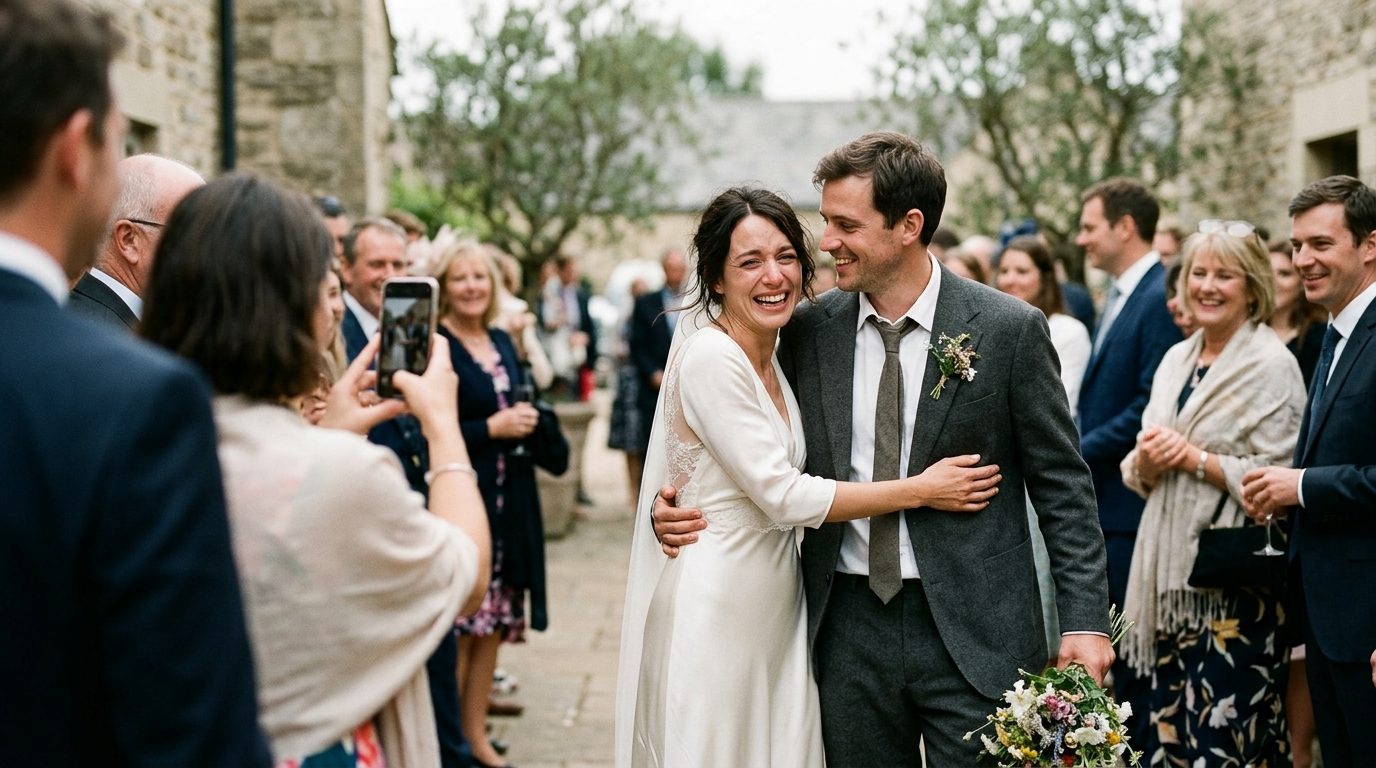
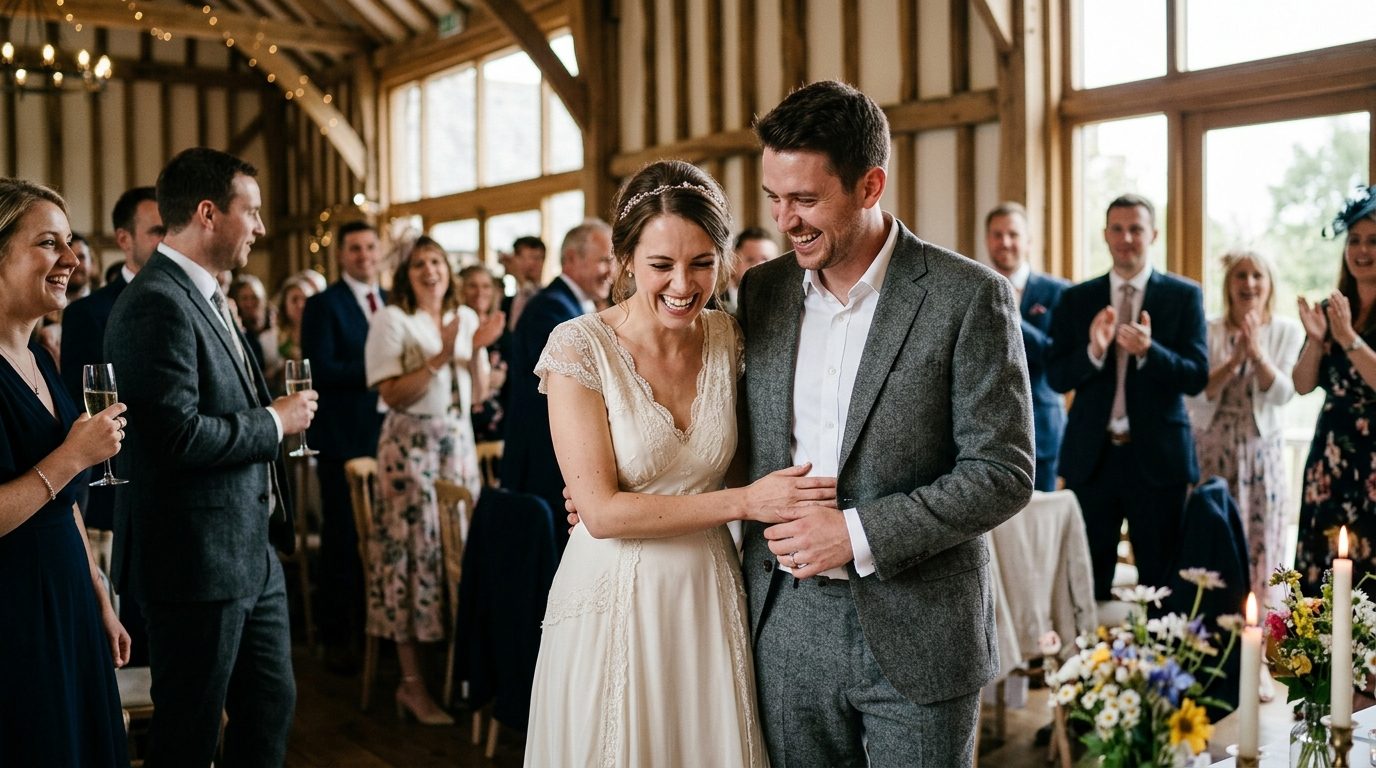
What it looks like: Real moments captured as they happen. No posing, no directing, no interruption. The photographer observes and captures — the tears during vows, the laughter during speeches, the children dancing, the quiet moments nobody else sees.
The approach: The photographer moves through the day almost invisibly. They don’t ask people to look at the camera or repeat a moment. They anticipate what’s about to happen and position themselves to capture it.
Pros:
- The most authentic record of your day
- Captures genuine emotions and reactions
- Less time spent posing = more time enjoying
- Images feel natural and unstaged years later
Cons:
- You don’t control what gets captured
- Some key moments may be missed if the photographer isn’t in the right position
- Group photos still need direction (even documentary photographers do these)
- Images may feel “messy” to people who prefer polished, perfect shots
Best for: Couples who want their day captured as it genuinely was, not as it was staged to look.
Traditional / classic
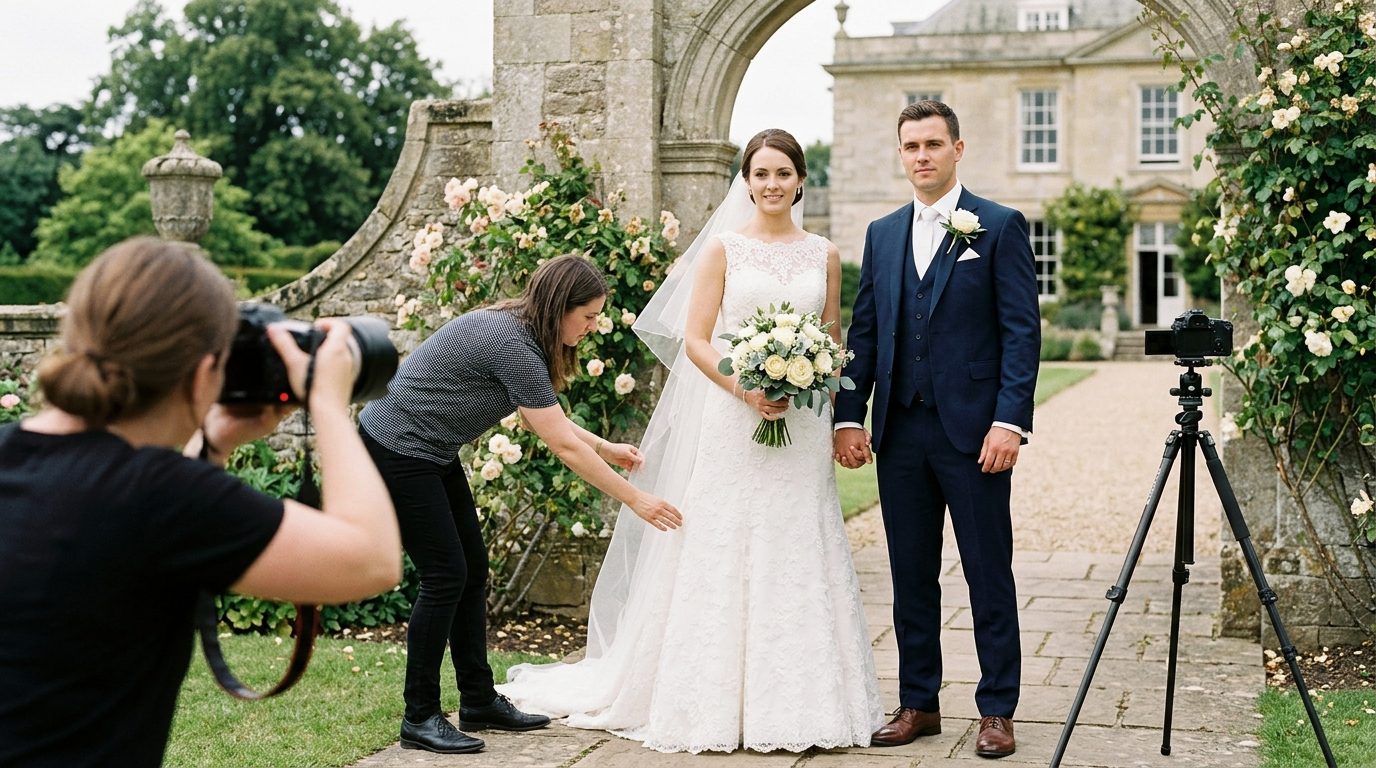
What it looks like: Structured, posed photographs. Formal group shots, directed couple portraits, and clear, well-lit images where everyone looks their best.
The approach: The photographer directs the action. “Look here.” “Smile.” “Hold that.” Group photos are methodically organised. Portraits are carefully composed with attention to angles, lighting, and background.
Pros:
- Everyone looks their best — well-lit, well-posed, well-framed
- Formal family groups are comprehensive (nobody gets missed)
- Clear, sharp images that work beautifully in frames and albums
- Parents and grandparents often prefer this style
Cons:
- Can feel staged and impersonal
- Takes more time (30-60 minutes for groups + portraits)
- Candid moments may be missed while directing poses
- Images may feel dated as trends in posing change
Best for: Traditional weddings, couples who value formal family portraits, and parents who want to hang a beautifully posed family photo.
Editorial / fashion
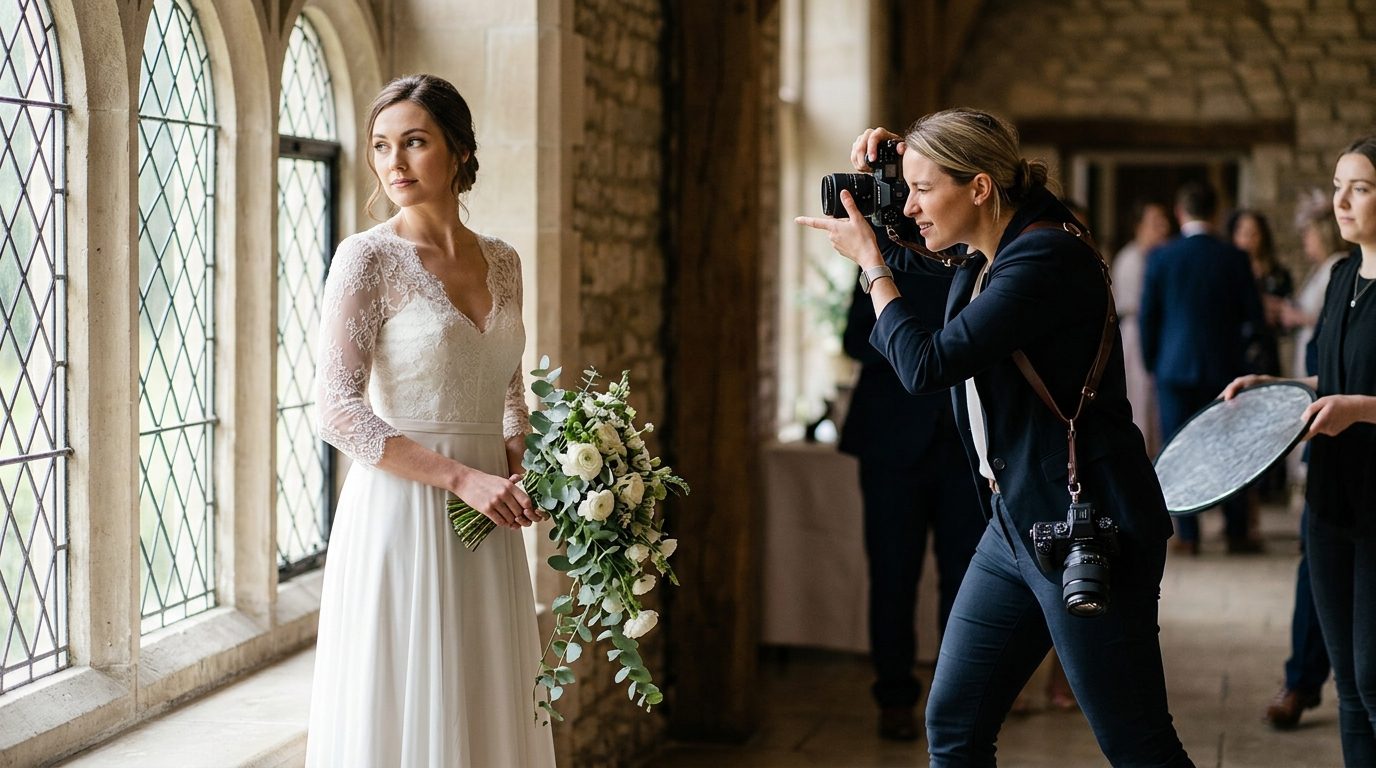
What it looks like: Fashion-magazine quality. Dramatic poses, striking compositions, bold use of light and shadow. The couple looks like models; the venue looks like a film set.
The approach: Highly directed. The photographer scoutes locations, plans compositions, and guides the couple into specific poses. Heavy editing creates a polished, curated look.
Pros:
- Stunning, show-stopping images
- You look your absolute best
- Images work beautifully as large prints and wall art
- Strong visual storytelling
Cons:
- Time-intensive (portraits can take 45-60 minutes)
- Less authentic — you’re performing, not experiencing
- Heavy editing can date quickly as trends change
- The “real” moments may be secondary to the styled shots
Best for: Couples who want magazine-quality images, are comfortable being directed, and have a visually striking venue.
Fine art
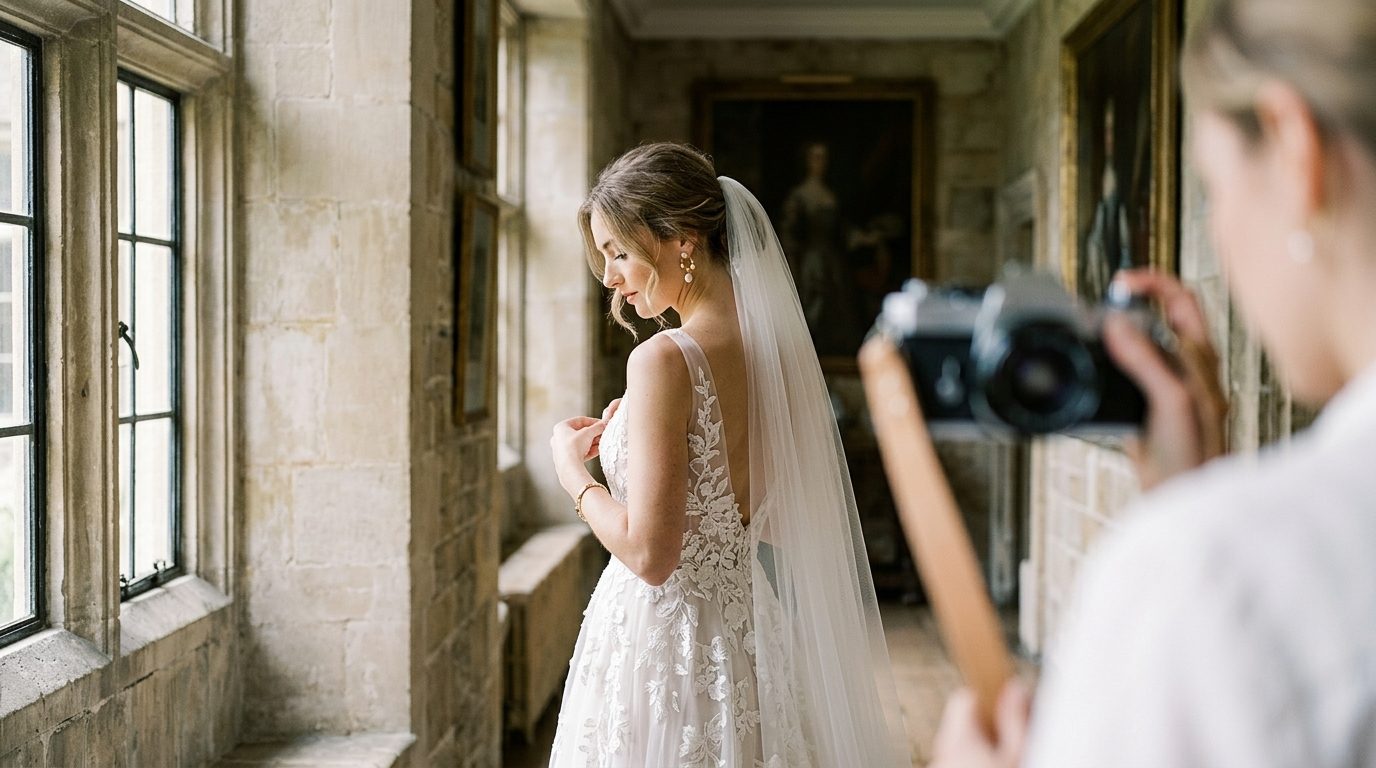
What it looks like: Soft, ethereal, and painterly. Muted colour palettes, natural light, film-inspired tones. The images feel like they belong in a gallery, not a photo album.
The approach: The photographer prioritises aesthetics — light, colour, composition — above all else. Natural light is used almost exclusively. Editing creates soft, warm, or faded tones.
Pros:
- Timeless beauty — images don’t date with trends
- Elegant, sophisticated aesthetic
- Beautiful detail shots (dress, rings, flowers)
- Works exceptionally well in albums and prints
Cons:
- Can feel too polished and distant
- Action shots (dance floor, confetti) may be less dynamic
- Dark venues with poor natural light are a challenge
- The muted colour palette doesn’t suit all couples
Best for: Couples who value aesthetics, romantic settings, and a timeless feel. Works best in naturally lit venues.
How to choose your style
The comparison
| Factor | Documentary | Traditional | Editorial | Fine Art |
|---|---|---|---|---|
| Posing | Minimal | Extensive | Directed | Light |
| Authenticity | Highest | Lower | Styled | Moderate |
| Time for photos | Low | High (30-60 mins) | High (45-60 mins) | Moderate |
| Best light | Any | Any (flash used) | Dramatic | Natural |
| Editing | Light/natural | Clean/bright | Heavy/polished | Soft/muted |
| Lasts well? | Timeless | Can date | Dates fastest | Very timeless |
| Dance floor shots | Excellent | Good | Average | Average |
| Couple portraits | Natural | Polished | Stunning | Dreamy |
| Group shots | Efficient | Comprehensive | Limited | Limited |
The decision framework
- Look at 10 portfolios. Note which images make you stop and feel something.
- Ask yourself: Do I want my wedding captured as it was (documentary), as it should look (traditional), as a fashion shoot (editorial), or as a piece of art (fine art)?
- Consider your venue. A candlelit barn suits documentary and fine art. A grand staircase suits editorial. A bright garden suits all styles.
- Talk to your photographer about their blend. Most don’t shoot pure documentary or pure traditional — they combine elements. The blend matters more than the label.
Further reading
- How to Choose a Wedding Photographer — the decision process
- Wedding Photography Timeline — planning the day for photos
- Wedding Photo Checklist — must-have shots
- Wedding Photographer Cost UK — pricing guide
- Questions to Ask Your Photographer — pre-booking checklist
- Photographers on Weddings Hub
Frequently asked questions
What are the main wedding photography styles?
The four main styles are: documentary/photojournalistic (candid, unposed, capturing moments as they happen), traditional/classic (formal posed shots, group photos, structured), editorial (styled, fashion-magazine feel, dramatic posing), and fine art (artistic, ethereal, soft tones, painterly quality). Most photographers blend elements from 2-3 styles.
What is the most popular wedding photography style?
Documentary/photojournalistic is the most popular style in the UK, chosen by approximately 50% of couples. It captures genuine emotions and moments without directing the action. However, most 'documentary' photographers still do a set of formal group shots — pure documentary with zero posed images is rare.
How do I know what photography style I want?
Look at 5-10 photographer portfolios and notice which images you're drawn to. Do you love the candid laughing shots (documentary)? The perfectly posed portraits (editorial)? The formal family groups (traditional)? The dreamy, soft-focus images (fine art)? Your instinctive preference IS your style. Trust it.
Can a photographer do more than one style?
Yes, and most do. A typical UK wedding photographer shoots documentary for 80% of the day (candid moments, natural reactions) and switches to a more directed approach for couple portraits and group shots. Ask your photographer about their blend — and look at full galleries to see how they balance the styles.
Does photography style affect the price?
Not directly — price is driven by experience, reputation, and package contents, not style alone. However, editorial and fine art photographers often position themselves as premium brands and charge accordingly (£2,000-5,000+). Documentary photographers span the full price range (£800-4,000+). Traditional photographers tend to be more affordable on average.