Should I Tell the Bride Her Fiancé Cheated?

Key Takeaways
- A 2023 Relate survey found 41% of UK adults believe a close friend is obligated to disclose a fiancé's infidelity
- 30% of UK adults say they would stay silent to avoid damaging the friendship
- Legal divorce costs in England and Wales average £14,500 (Ministry of Justice 2024)
- There is no legal obligation to tell the bride — the decision is entirely personal
- If you tell her, do it privately, face to face, at least 4 weeks before the wedding
- If you have only rumour or second-hand information, the risk of telling outweighs the benefit
A 2023 Relate survey found 41% of UK adults believe a close friend is obligated to tell a bride her fiancé has cheated. A further 29% said it depends on the circumstances. Only 30% said they would stay silent to protect the friendship. Legal divorce costs in England and Wales average £14,500 (Ministry of Justice 2024) — one of the stakes a friend may weigh when deciding whether to speak. There is no legal obligation to tell anyone. The question is personal, relational and irreversible.
By Matt, Editor at Weddings Hub. I have written about UK wedding etiquette and relationship dynamics since 2018. For this article I have drawn on Relate’s 2023 survey data, Resolution (family law charity) case data, and first-hand accounts from UK wedding planners and registrars. Where I reference specific cases, identifying details have been changed.
This situation comes up in UK wedding planning circles more often than most people admit. It is one of the most common questions in private wedding Facebook groups. The reason it keeps appearing: there is no clean answer. Telling the bride can destroy a friendship, cause a wedding cancellation, and put you at the centre of a family crisis. Not telling her can mean you are present at a wedding you know is built on betrayal. Both options carry cost.
This guide works through the decision honestly. It does not tell you what to do. It helps you think through the choice clearly.
The first question: what do you actually know?
The quality of your information determines almost everything. There are three categories.
Direct knowledge. You witnessed the cheating yourself, or the person who cheated told you directly. This is the most reliable category. It does not make the conversation easy, but it makes the decision clearer.
Credible second-hand information. Someone who has direct knowledge told you. The source is trustworthy, specific and consistent. They saw it, or the fiancé told them, or there is documented evidence. This is harder to act on but not impossible.
Rumour, gossip or social media. You heard something, or saw something ambiguous, or a mutual friend mentioned it in passing. This is the most dangerous category to act on. Rumours about engaged or married couples are common. Many are false. Acting on a false rumour can destroy a relationship and a friendship permanently.
Before you decide anything, ask yourself: how would I describe the source of this information in a courtroom? If the answer makes you uncomfortable, think carefully before speaking.
Why people choose to tell
The case for telling the bride is not complicated. She is about to make a lifelong legal and emotional commitment to a person on the basis of an assumption of fidelity. If that assumption is wrong and you know it, staying silent means participating in the deception.
Relate’s research supports this view. Respondents who said they would tell a friend cited two main reasons: the friend deserved to know, and they would want to be told themselves. Both are simple, human responses.
There is also the practical dimension. Divorce costs in England and Wales average £14,500 (Ministry of Justice 2024), not counting the emotional and professional disruption. Pre-wedding discovery, however painful, avoids that outcome.
Why people choose to stay silent
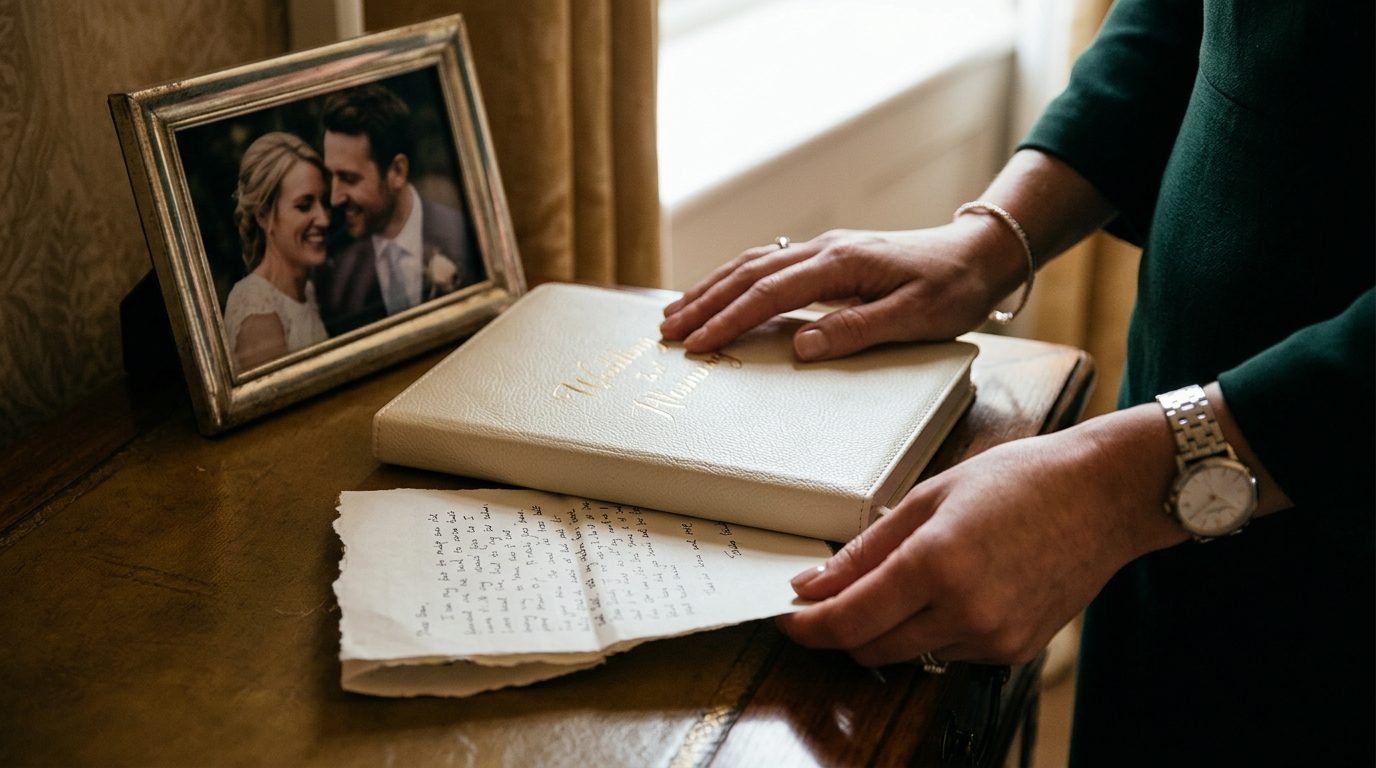
The case for staying silent is also real.
You may not have reliable information. Acting on a rumour that turns out to be false damages you, the bride, and the person you accused.
The bride may already know. Some couples have open relationships. Some have already dealt with the issue privately. You may be repeating information the bride has processed and decided to move past.
The bride may choose not to believe you. In Relate’s research, 23% of people who received this kind of information from a friend reported feeling angry at the friend, regardless of whether the information was true. Telling her may end your friendship without helping her.
The timing may be wrong. A bride three weeks out from her wedding, with deposits paid and family arriving from abroad, is not in a position to absorb new information neutrally.
How to tell her (if you decide to)
If you decide to speak, the method matters as much as the message.
Tell her alone. Never in a group, at a hen do, or in a setting where others might hear or react before she has processed it.
Do it early enough. At least 4 weeks before the wedding. Close enough that the information is relevant, far enough that she has time to make decisions without chaos.
Be factual, not emotional. Tell her what you know and how you know it. Do not editoralise. Do not tell her what to do with the information. Do not say “you should cancel the wedding.”
Say it once. Give her the information. Then stop. Repeating yourself, or following up with additional detail, moves from telling to pressuring.
Accept whatever she does. She may dismiss what you said. She may end the friendship. She may thank you. She may marry him anyway. None of those outcomes are under your control.
A simple script: “I wanted to tell you something before the wedding because I care about you. I was told that [specific thing happened]. I wanted you to know in case it was something you didn’t. Whatever you decide to do with that, I’ll support you.”
How not to tell her
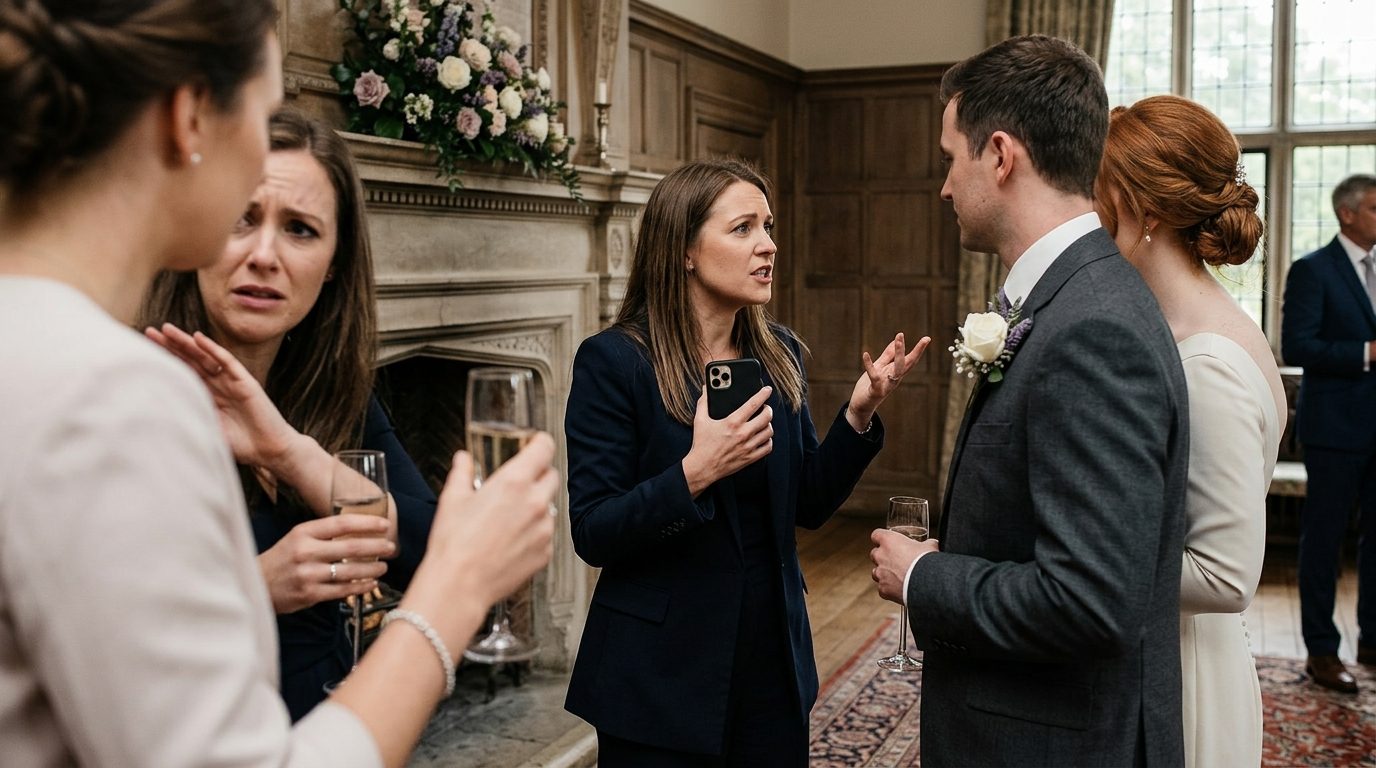
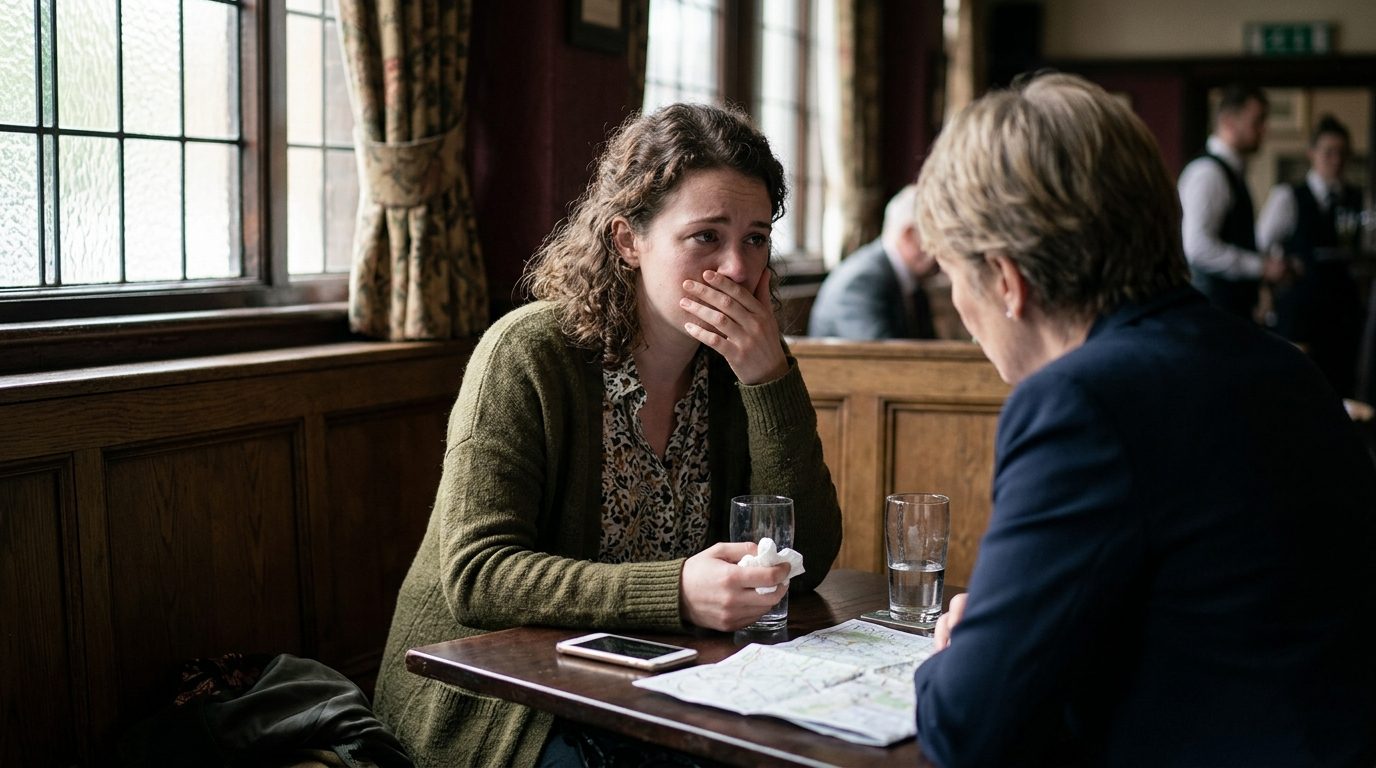
There are several methods that make the situation materially worse.
Do not tell other guests, family members or the wedding party. Your obligation, if you have one, is to the bride. Going around her puts her in a public position she has not chosen.
Do not post anything online. Subtweets, vague social media posts, or even private messages to mutual friends escalate the situation beyond your control.
Do not tell her at the wedding itself. If the day arrives and you have not yet spoken to her, the moment for telling has passed. Telling a bride on her wedding morning or during the reception causes lasting harm that no subsequent justification repairs.
Do not involve yourself beyond the disclosure. Your role is to give her information she does not have. It is not to investigate the fiancé, confront him, gather additional evidence or mediate the relationship. That is not your job.
The bridesmaid question
If you are a bridesmaid, the emotional stakes are higher on both sides. You are closer to the bride, which makes the conversation easier to initiate. You are also more visible on the day, which makes choosing silence feel more complicit.
The practical rule does not change: you tell the bride, privately, with what you actually know, and once. The role of bridesmaid does not give you additional obligation or additional authority. Your job is to support the bride, not to manage her decisions. See our full guide on what being a bridesmaid actually involves for context on the role.
What happens after you tell her
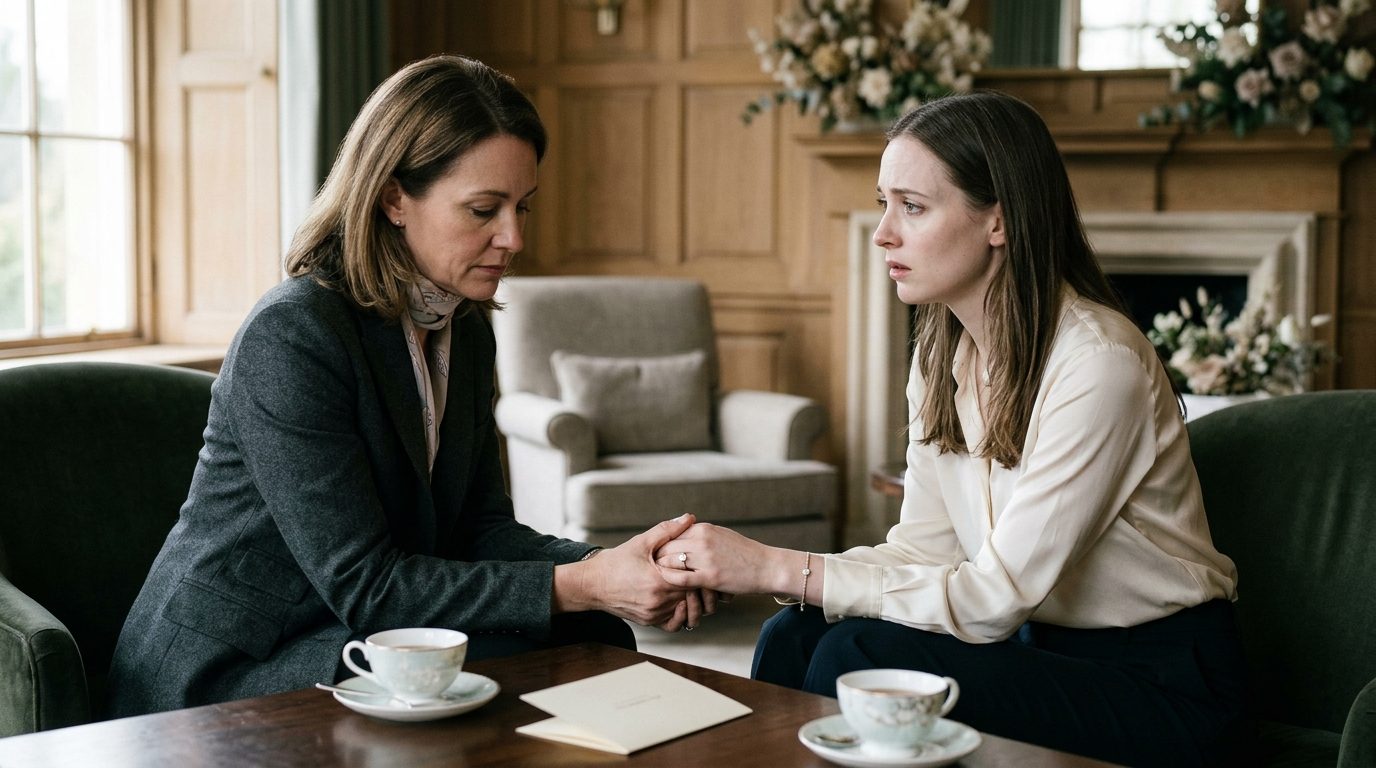
If she believes you and acts on the information, the wedding may be cancelled or postponed. You will likely be a significant figure in whatever happens next. Some friendships survive this. Some do not. Be prepared for both.
If she dismisses what you said, accept that and move on. Do not revisit it. Do not bring it up again at the wedding. If you feel you cannot be present without the contradiction being unbearable, you may need to step back from the role — and that is a legitimate choice.
If she already knew and had made peace with it, your information has not harmed her. She may be irritated that you raised it. Acknowledge that you were acting from care and leave it there.
The decision is yours alone
No one else can make this call. The person in your position has the information, the relationship and the stakes. A checklist does not substitute for that judgement.
What the research does say: acting on solid, credible information, disclosed privately, calmly and early, is the approach most people look back on with peace. Acting on rumour, or telling people other than the bride, is the approach most people regret.
If you decide not to tell her, that is also a defensible choice. You are not responsible for another person’s infidelity. You did not create the situation. Your silence is not the same as participation.
For related reading on difficult wedding decisions, see our guides on how to uninvite someone from your wedding, what happens if someone objects at a UK wedding, and the MIL who wore white.
Related articles
Frequently asked questions
Should I tell a bride if her fiancé cheated?
There is no universal right answer. If you have direct, verifiable evidence, most etiquette guides and relationship charities say yes, tell her — privately and calmly. If you have only rumour or hearsay, the risk of speaking up without solid proof is high.
What if I only heard it second-hand?
Second-hand information is unreliable. Acting on rumour can destroy a friendship without helping anyone. If the source is credible and the information is specific, you might gently ask the source whether they intend to tell the bride.
How far before the wedding should I tell her?
At least 4 weeks before the wedding gives her time to process and make decisions without the chaos of the final run-in. Telling her the week before — or on the day — causes maximum harm regardless of whether the information is true.
What if the bride doesn't believe me?
Prepare for that outcome. Some brides choose not to believe information that challenges their plans. Present what you know clearly, once, and let her make her own decision. Do not repeat yourself or pressure her.
What if the cheating has already stopped?
Past infidelity that has ended is harder to assess. If it happened once, years ago, and the relationship recovered, many relationship counsellors argue it is not your information to share. If it is ongoing, or recent, the calculus changes significantly.
Should I tell the groom's family or other guests?
No. Going outside the immediate parties makes the situation worse. If you are going to tell anyone, tell the bride directly. Telling others escalates the drama without serving the person most affected.
What if I'm a bridesmaid? Does that change my obligation?
Being a bridesmaid makes the emotional stakes higher but does not change your core obligation. You have a closer relationship with the bride, which makes the conversation easier — but the decision to tell or not remains the same as for anyone with the same information.