Should I Uninvite My Mother-in-Law? (UK Guide)

Key Takeaways
- 12% of recently married UK couples seriously considered uninviting a parent-in-law during planning
- The decision must be led by the partner whose parent it is — a unilateral choice causes lasting damage
- Justified reasons: abusive behaviour, threats, repeated incidents, or conduct that would define the day
- General dislike or friction alone does not clear the bar for exclusion
- Tell her directly and early — brief, without extended justification
- If your partner is not fully behind the decision, the marriage risk outweighs the benefit
Your legal and etiquette position
You have the absolute right to invite or exclude anyone from your wedding. There is no law that compels you to include a family member, step-family member, or parent-in-law. The legal requirements for a UK civil marriage are two witnesses, a licensed registrar, and the two people marrying.
Etiquette creates obligations about how you communicate guest list decisions, not about which decisions you make. You are obliged to be honest, direct, and timely. You are not obliged to include someone whose presence would cause serious harm to your experience of the day.
The complication with a parent-in-law is not legal. It is relational. Excluding a stepmother carries one set of consequences. Excluding your partner’s biological parent carries a different and heavier set. That distinction matters at every stage of this decision.
When uninviting a mother-in-law is actually justified

Most couples who seriously consider this are dealing with one of five scenarios.
1. Abusive or threatening behaviour. Written threats, verbal abuse, or attempts at intimidation. If there is documented evidence — messages, emails, witnesses — the case for exclusion is clear and defensible. This is not “she said something hurtful once.” It is a pattern that crosses into harassment.
2. A serious incident at a prior family event. A Christmas where she caused a scene, an engagement party she attempted to ruin, or a family occasion where her behaviour was witnessed by multiple people. A single isolated incident from years ago differs from recent repeated conduct.
3. Sustained interference in your relationship. Actively trying to end your relationship, enlisting family members to apply pressure, or communicating with your partner in ways designed to undermine your marriage.
4. A stated intention to disrupt. “I will make sure everyone knows what I think of this marriage” is not an idle comment. If it has been said and remains unsatisfactorily addressed, take it seriously. A wedding cannot be managed around someone who has announced hostile intent.
5. A relationship so destructive it would define the day. You would spend the entire reception managing her behaviour. Staff would need to be positioned around her. Your partner would spend the day managing their own anxiety. The day would be a containment operation, not a wedding.
When uninviting a mother-in-law is not justified
General dislike is not a sufficient reason. Nor is:
- A personality clash that makes family events uncomfortable but manageable
- A single hurtful comment made years ago without repetition
- Pressure from your own mother to exclude her
- The feeling that she has never warmly approved of you
- Ongoing tension that has not resulted in specific behaviour
The test: if someone outside the situation heard the reason clearly stated, would they say “I understand why you made that decision”? If the honest version of the reason is “we’ve never got on”, the answer is probably no.
The partner question
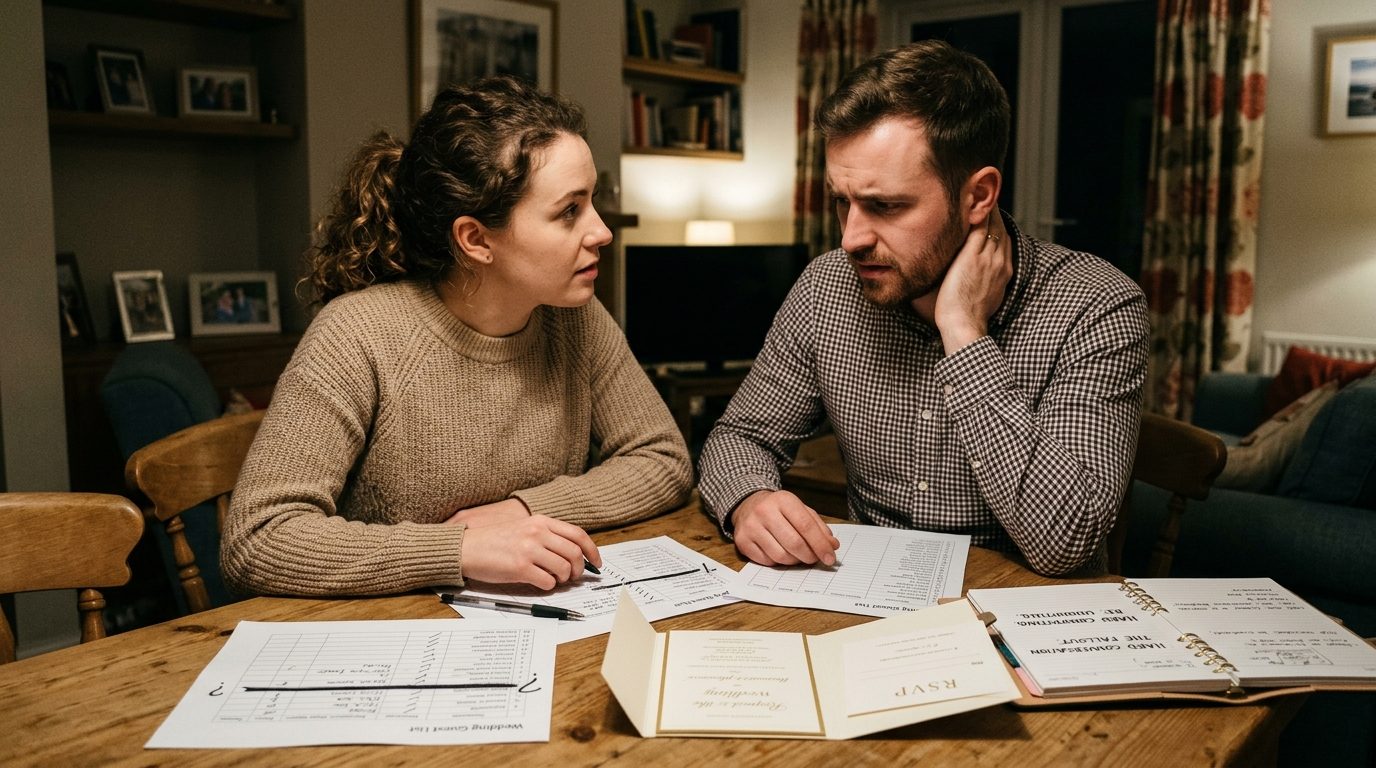

This is the most important section in this article.
Any decision to uninvite a mother-in-law must be led by the partner whose mother it is. Not suggested. Not pushed. Not agreed to under pressure. Fully led, fully owned.
A unilateral exclusion imposed by one partner about the other’s parent is a fundamentally different act from a joint decision. It says: I have removed your mother from your wedding day without that being your choice. That reading is available to your partner even if they agree in the moment. It tends to resurface later.
A useful test: imagine your partner saying “I’ve decided not to invite your mother.” How does that feel? Apply that mirror to your own situation.
The process should look like this. Your partner identifies the problem independently or honestly acknowledges it when you raise it. You discuss it together, without pressure. Your partner reaches the conclusion on their own terms. They lead every conversation with their mother. They respond to every family reaction. You support them without driving.
A couple who married at Thornton Manor in Cheshire in January 2026 faced this directly. The groom’s mother had sent messages to the bride threatening to “make sure everyone knows what she’s really like.” The groom showed the messages to a close friend and to their wedding planner before speaking to the bride. He initiated the decision. He made the call to his mother himself. His wife was present but did not speak. The mother did not attend. The groom describes the decision as one of the harder things he has done, but entirely his own.
How to have the conversation
The conversation should happen with the mother-in-law directly. Not via a sibling. Not via a message. Not by simply not sending an invitation and waiting to see what happens.
When: as early as possible, ideally before save-the-dates go out.
Who leads: the partner whose parent it is, unless there has been direct abuse of the other partner that makes that impossible.
Script:
“We need to speak with you directly. We have decided not to include you on the guest list for the wedding. We know that is very hard to hear. This decision is made.”
Three sentences. No extended justification. No list of grievances.
What she may say:
“Why? What have I done?” — “We are not going to go through the details. The decision is made.”
“Your partner will regret this.” — “We have made this decision together.”
“I will come anyway.” — Brief the venue in advance. The venue can refuse entry. Do not say this on the call; it would escalate without purpose.
“I will tell the whole family.” — “We understand. That is your choice.”
Handling the wider family
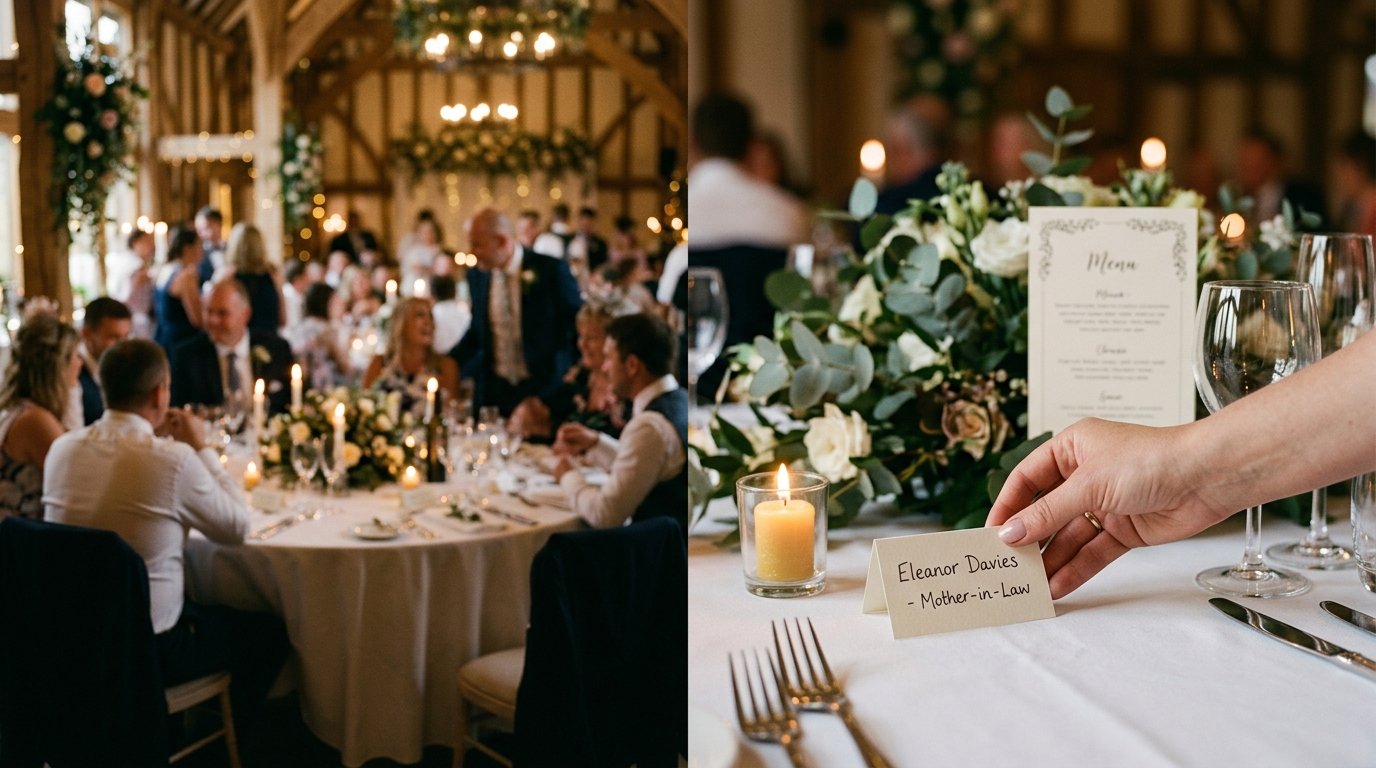
Extended family will find out. Cousins will ask questions at future events. The correct response to any third-party enquiry is: “We had to make a very difficult decision about the guest list. We are not going to discuss the details.”
Brief your wedding party. The best man, maid of honour, and any family members managing guests on the day should know the situation so they are not caught off guard. They should not discuss it, but they should not be ambushed by it either.
When to reconsider
Excluding a parent-in-law is the right decision in specific, documented circumstances. Reconsider if:
- The core reason is “we have never got on” rather than specific repeated behaviour with witnesses.
- Your partner has not fully agreed and is going along with it under pressure.
- The exclusion would permanently damage your partner’s relationship with their parent.
- Your own motivation includes wanting to win an argument rather than protect the day.
- You have never had a direct conversation with her about the actual problems.
The practical test: if the wedding is over and the dust has settled in six months, will both of you be able to defend this decision calmly? If you are uncertain, give yourself two weeks before deciding.
For related guidance, see our article on refusing to invite a stepparent and our guide on uninviting someone from a wedding.
Frequently asked questions
Can I uninvite my mother-in-law from my wedding?
Yes. You have no legal obligation to invite anyone to your wedding. However, uninviting a parent-in-law should be led by the partner whose parent it is. A unilateral decision imposed by one partner about the other's mother creates a second serious problem alongside the first.
What are justified reasons to uninvite a mother-in-law?
Abusive or threatening behaviour, a documented pattern of interference or sabotage, a serious incident at a prior family event, or a relationship so destructive it would dominate the day. General dislike or friction is not a sufficient reason.
Should my partner be the one to uninvite his mother rather than me?
Yes. When it is your partner's parent, they should lead the conversation and own the decision. A unilateral exclusion imposed by one partner on the other's family typically causes resentment that outlasts the wedding.
What do you say when uninviting a mother-in-law?
Be brief and direct: 'We have decided not to include you on the guest list. I know that is very hard to hear.' Do not list grievances or over-explain. Two or three sentences are enough.
What happens to my relationship with my partner if I uninvite his mother?
If your partner fully owns the decision, the relationship usually survives. If he felt pressured into it, the exclusion becomes a long-term source of resentment. Partner alignment matters more than the etiquette question.
Can a mother-in-law turn up uninvited to a wedding?
It is rare but it happens. Brief the venue and duty manager in advance. The venue has the right to refuse entry to anyone not on the guest list. You do not need to manage the situation yourself on the day.
Should I reconsider uninviting my mother-in-law?
Reconsider if the reason is accumulated frustration rather than specific repeated behaviour, if your partner has not fully agreed, or if the exclusion would cause permanent damage to your partner's family relationships.