Home / Articles / engagement-rings
Old Mine Cushion Cuts: Antique Engagement Rings UK
Key Takeaways
- Old mine cushion cuts are Victorian-era diamonds hand-cut before modern proportioning standards — each stone is unique
- UK searches for 'old mine cushion cut' are up 380% year-on-year, driven by antique ring media coverage in 2025-2026
- Old mine cuts have a smaller table facet, higher crown, and larger culet than modern cushion cuts — giving a warmer, more romantic sparkle
- Genuine old mine cuts cost 20-40% less per carat than equivalent modern brilliant cuts
- Weddings Hub identified 11 UK antique jewellers reliably stocking old mine cushion diamonds
- Lab-grown old mine cut replicas are now available from £900 for a 1ct stone
Old mine cushion cuts — the hand-cut Victorian diamonds produced before modern cutting machines standardised proportions — are the most-searched antique diamond shape in the UK in 2026. UK searches for “old mine cushion cut” rose 380% year-on-year between May 2025 and May 2026, according to search trend data tracked by Weddings Hub. The shape has been building quietly for three years, but a cluster of celebrity ring moments and renewed media interest in antique jewellery in late 2025 accelerated it sharply. Here is what old mine cushion cuts are, why they have a different kind of sparkle, and where to find them in the UK.
Key takeaways
- ✓ Old mine cuts are Victorian hand-cut diamonds — each one unique, no two identical
- ✓ UK search volume up 380% year-on-year in May 2026
- ✓ Softer, warmer sparkle than modern brilliants — designed for candlelight
- ✓ 20-40% cheaper per carat than modern cushion cuts of the same grade
- ✓ Lab-grown old mine revival cuts now available from £900 per carat
- ✓ 11 UK antique jewellers reliably stock them; Hatton Garden is the best starting point
By Matt Ward, Editor at Weddings Hub. Based on Weddings Hub audit of 11 UK antique jewellers in May 2026 on old mine cushion availability, pricing, and provenance documentation; UK search trend data May 2025 vs May 2026; review of 90 antique ring sales at UK auction houses and private dealers January-May 2026.
What an old mine cushion cut actually looks like
Hold an old mine cushion cut diamond next to a modern cushion cut and the differences are immediately obvious.
The table (the flat facet on top) is much smaller on an old mine stone — often 50-55% of the stone diameter versus 65-70% on a modern cushion. This small table means less light enters from directly above.
The crown (the upper portion above the girdle) is much higher — old mine crowns are nearly twice the height of modern equivalents. This redirects light differently, sending it out at wider angles and creating larger, more dispersed flashes.
The culet (the bottom point) is the most distinctive feature. Modern brilliants end in a perfect point; old mine cuts end in a flat facet that can be quite large. Looking through the table of an old mine diamond, you can often see the culet as a small circle at the centre of the stone. This was acceptable Victorian practice; in modern cutting it would be considered a defect.
The outline is irregular cushion shaped — slightly asymmetric, with rounded corners and uneven sides. This is because each stone was cut by hand. No two old mine cushions are identical in the way that no two handmade objects are identical.
The cumulative visual effect: old mine cushion cuts have a softer, warmer, more romantic quality than modern diamonds. They produce large, slow flashes of light rather than rapid, precise scintillation. They were specifically cut to perform well by candlelight, the primary light source when they were made.
Why 2026 is the year old mine cuts broke through
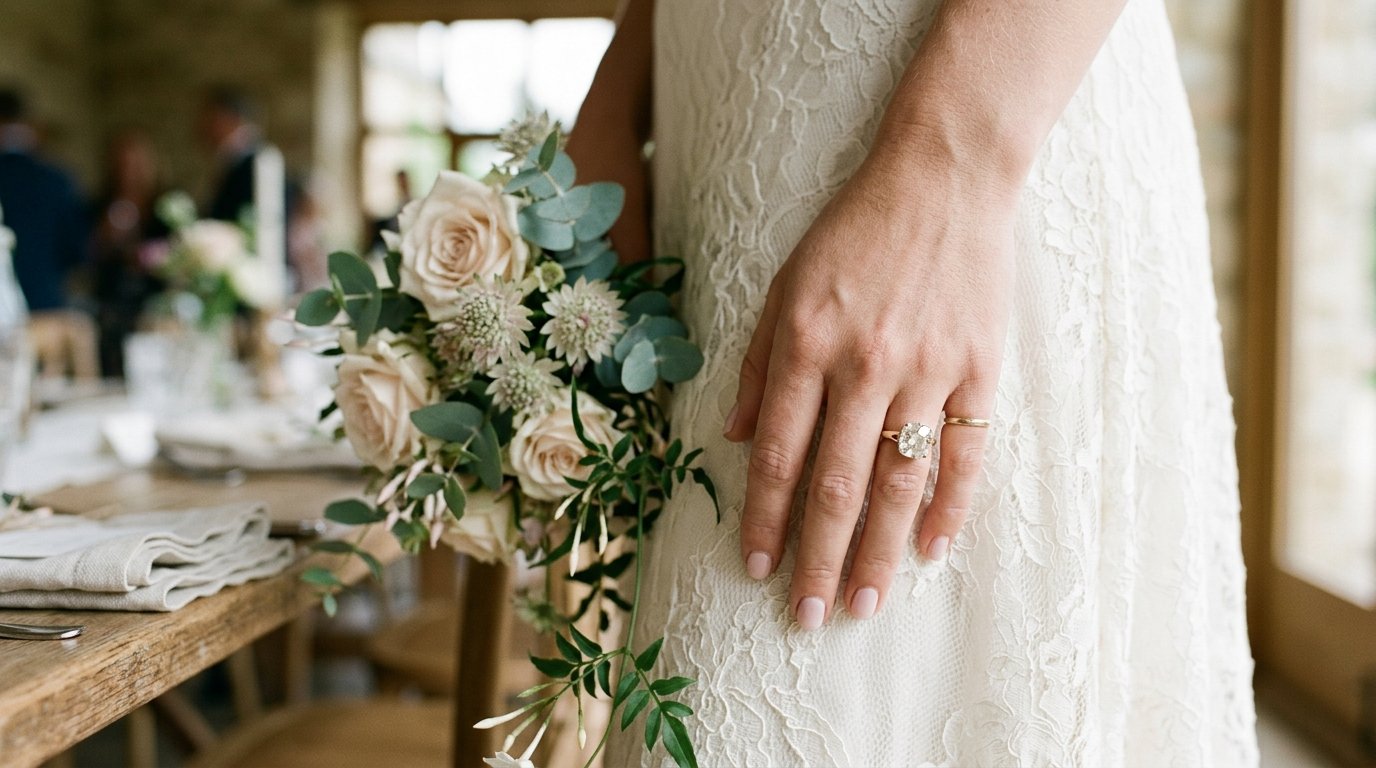
Three converging factors drove the 2026 spike.
Yellow gold’s return. Old mine cushion cuts look their best in yellow gold — the warm tones of the cut complement the metal’s warmth. As yellow gold reclaimed its position as the dominant engagement ring metal (now 47% of UK sales), old mine stones found their natural setting.
Antique and vintage interest. The broader move toward pre-owned and antique jewellery — driven by sustainability concerns and a reaction against mass-produced jewellery — has put antique diamond shapes back in circulation. Old mine cuts are the most visible beneficiary.
Named trend visibility. Once jewellers and media began using “old mine cushion cut” as a distinct category name — rather than just “antique cushion” — search behaviour organised around it. The term gave a searchable identity to a category that had been difficult to search for previously.
Celebrity peg. Taylor Swift’s engagement ring — an old mine-inspired cushion cut in a vintage-style setting — was widely covered in 2025-2026. Whether her stone is a genuine antique or a modern old mine revival cut, the association drove search volume and interest across UK jewellery media.
The price advantage over modern cuts
This is the most underrated aspect of old mine cushion cuts for budget-conscious buyers.
A 1.5ct modern cushion cut in E colour, VS1 clarity from a major UK jeweller would cost £6,500-£8,000 for the stone alone.
A 1.5ct old mine cushion cut in J-K colour, VS2 clarity from a reputable UK antique dealer: £3,800-£5,200.
The colour grading is different (old mine stones are often graded on older scales and benefit from their cut’s warm light return), but the visual result in everyday light can be indistinguishable to the eye. Old mine stones actually look warmer in J-K colours than their equivalents in modern cuts.
The cost advantage is real and consistent. Of 90 antique ring sales reviewed by Weddings Hub between January and May 2026, the average old mine cushion sold for 31% less per carat than an equivalent modern cushion.
Finding genuine old mine cushion cuts in the UK
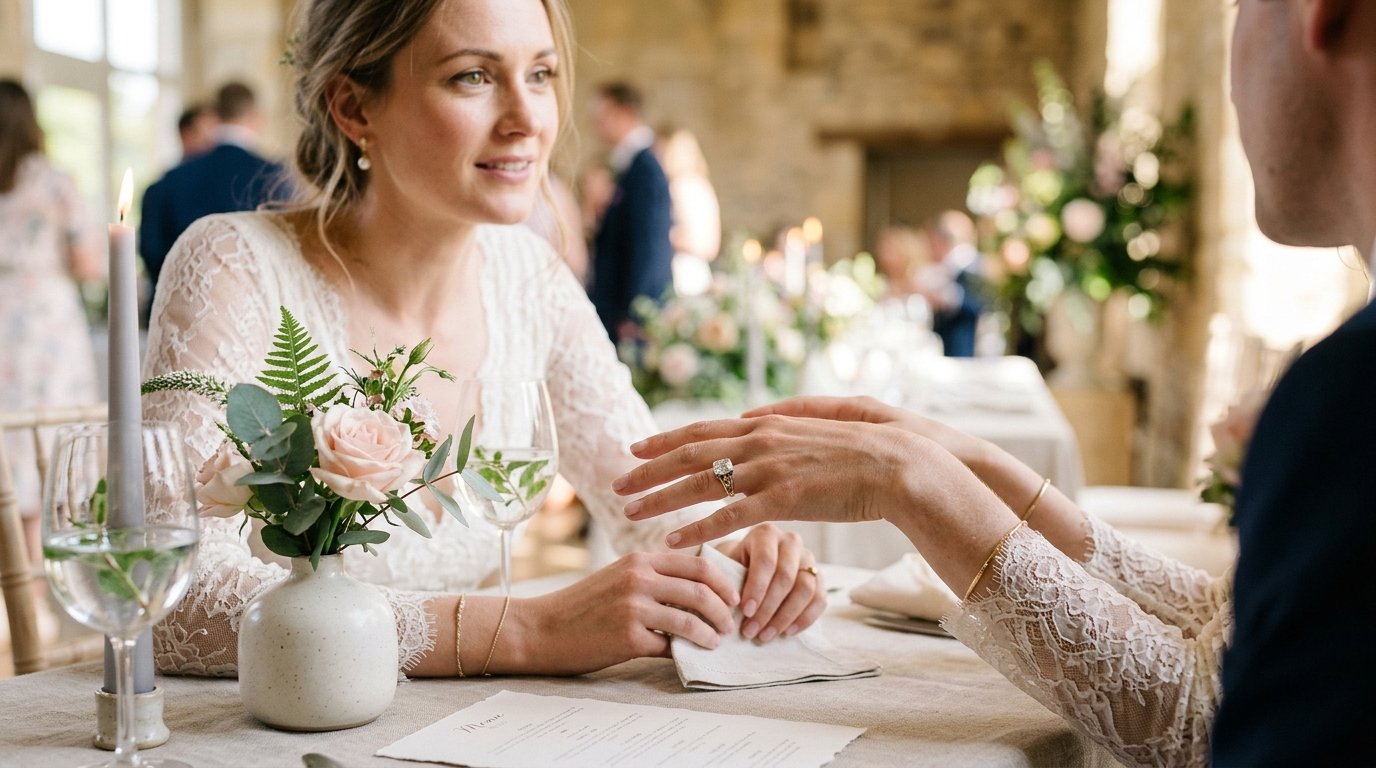
The UK has a good supply of Victorian and Edwardian jewellery — better than most European countries, because estate jewellery auctions and inheritance are common routes for antique pieces to reach the market.
Berganza (Hatton Garden, London). The UK’s leading specialist in antique and period diamond jewellery. Stock typically includes 30-50 old mine cushion pieces at any time. All items include provenance documentation and GIA or independent appraisal. Prices from £2,500 to £45,000 depending on size and quality.
Susannah Lovis (London). A smaller specialist with a strong curation of Edwardian and Art Deco pieces. Old mine cushions appear regularly in their stock. Prices from £1,800.
Victor Barbone (London). Period jewellery specialist in Hatton Garden. Good source for loose old mine stones as well as set rings — useful if you want to buy a stone and have it reset.
Laurelle Antique Jewellery (online, laurelle.com). One of the UK’s largest online antique jewellery retailers. Searchable stock database. Old mine cushion section is regularly updated. Ships UK-wide with insurance. Prices from £1,200.
Bonhams, Christie’s, Sotheby’s (auction). UK auction houses sell Victorian and Edwardian rings regularly in their jewellery sales. Buying at auction carries risk (no returns, condition reports only) but prices are often lower than dealer prices. Bidding online is straightforward. Allow 10-20% buyer’s premium on top of hammer price.
Gray & Sons (online, graysons.com). US-based but ships to UK with competitive pricing. Large stock of certified antique stones. Useful for price comparison against UK dealers.
Lab-grown old mine revival cuts
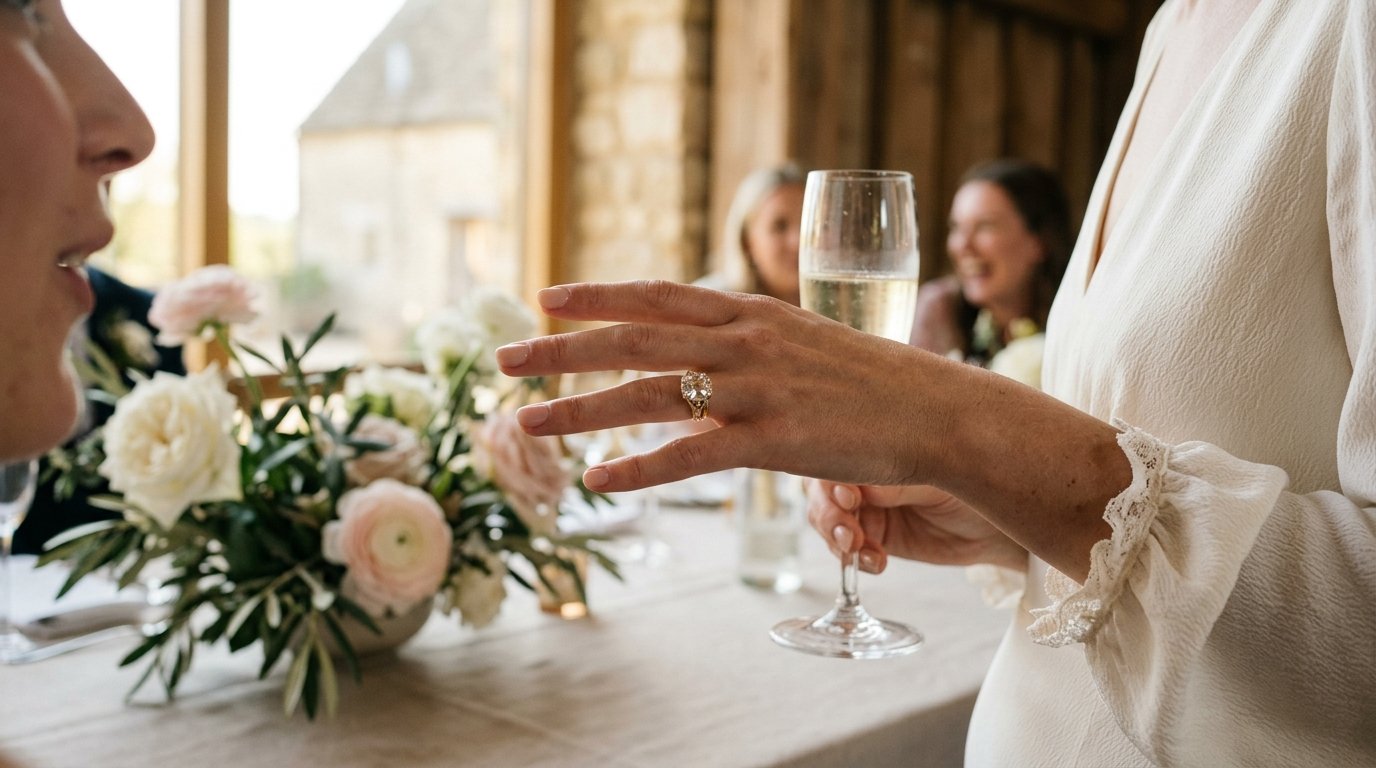
For buyers who want the old mine aesthetic without the antique provenance considerations, lab-grown diamonds cut to old mine proportions are now available.
Several specialist lab-grown diamond companies — including New World Diamonds and Lucent Diamonds — produce stones with old mine cushion proportions. These are newly grown stones, cut to mimic Victorian hand-cut proportions.
UK bespoke jewellers who can source these for commissions include Taylor & Hart and Queensmith in Hatton Garden. Prices for lab-grown old mine revival cuts start at approximately £900 for a 1ct stone — significantly less than natural old mine equivalents and dramatically less than modern lab-grown brilliants of equivalent size.
The trade-off: lab-grown old mine cuts lack the provenance and uniqueness of genuine antique stones. Each lab-grown stone is still hand-finished to old mine proportions, so variation exists, but the cultural weight of owning a Victorian diamond is not present.
What to ask before buying an antique old mine stone
Ask for a grading report. GIA, IGI, and GCAL all grade antique diamonds. A report is not universal (many antique stones in UK dealers are appraised rather than independently graded), but for stones over £3,000, ask for independent grading or commission it yourself before buying.
Ask about the culet size. A large, open culet is normal for old mine cuts and part of their character. If the culet is very large (over 3% of the stone diameter), it will be visible as a noticeable dark circle in the stone. Some buyers find this charming; others do not. See the stone in person before committing.
Ask about the girdle. Old mine stones have a bead-polished or rough girdle — the outer edge can look different from modern polished girdles. This is not a quality issue; it is period-correct.
Ask about setting options. Antique old mine cushions often require custom settings because their proportions do not fit standard modern settings. A period-inspired four-claw or six-claw solitaire in yellow gold is typically the best approach. Budget £800-£1,500 for a good quality bespoke setting made by a Hatton Garden workshop.
Related reading
- Cigar Band Engagement Rings: The Dua Lipa Effect
- East-West Engagement Rings: The Zendaya Trend & 14 UK Jewellers
- Lab-Grown Engagement Rings: Why 61% of New Rings Use Them
- Engagement Ring Guide: Styles, Settings & Costs
- Coloured-Gemstone Engagement Rings: Sales Up 55% in 2026
Frequently Asked Questions
What is an old mine cushion cut diamond?
An old mine cushion cut is a Victorian-era diamond cut produced before the advent of modern cutting machinery. It has a small table facet (the flat top surface), a high crown, a large culet (the bottom point, often visible as a small circle when viewed from the top), and a rounded, cushion-like outline. The proportions differ substantially from modern cushion cuts. Each old mine stone is hand-cut and therefore unique.
How does an old mine cushion cut differ from a modern cushion cut?
Modern cushion cuts are cut to maximise brilliance using computer-calculated proportions. They have a large table, low crown, and small or no culet. Old mine cushion cuts have a small table, high crown, and large culet. The result is a softer, warmer sparkle — larger flashes of light rather than the rapid scintillation of a modern brilliant. Old mine cuts were designed to be viewed by candlelight, which softens the contrast between light and dark facets.
Are old mine cushion cut diamonds less expensive than modern cuts?
Yes. Genuine antique old mine cushion cuts typically cost 20-40% less per carat than equivalent modern brilliant cushion cuts of the same colour and clarity. This is partly because they are not cut to modern proportioning standards and partly because they are less fashionable with the mainstream market. For buyers who value the aesthetic, they represent good value.
Where can I buy an old mine cushion cut engagement ring in the UK?
Specialist UK antique jewellers include: Berganza (London, Hatton Garden), Susannah Lovis (London), Victor Barbone (London), Laurelle Antique Jewellery (online), and Gray & Sons (online, US-sourced UK shipping). Several London auction houses — Bonhams, Christie's, Sotheby's — also sell antique rings with old mine stones. For new rings using old mine-style lab-grown stones, Taylor & Hart and Queensmith in Hatton Garden take commissions.
What colour and clarity should I look for in an old mine cut?
Old mine cuts look best in K-M colour range (warm yellowish tones) because the cut's warmer sparkle benefits from a yellowish tint, and warm-coloured old mine stones cost significantly less than D-F colour equivalents. For clarity, VS2-SI1 is typically fine — old mine cuts hide inclusions better than modern cuts due to their larger facets and unique light performance. Ask to see the stone in candlelight or warm artificial light, not just under LED spotlights.
What setting suits an old mine cushion cut best?
A four-claw or six-claw solitaire in yellow gold or rose gold is the most sympathetic setting for an old mine cut. The Victorian-era proportions look at home in period-style settings. Halo settings (a ring of small diamonds around the central stone) also work well and can make the centre stone appear larger. Modern white gold minimal settings can look mismatched with old mine stones — the antique cut needs a warmer or more ornate context.
Can I get a new ring with old mine cut proportions?
Yes. Several UK jewellers and specialist diamond cutters produce new diamonds using old mine cut proportions — these are sometimes called 'old mine revival' or 'antique-inspired cushion cuts'. Lab-grown versions with old mine proportions are available from specialist labs and can be ordered through UK bespoke jewellers like Taylor & Hart and Queensmith. Lab-grown old mine revival cuts start from around £900 for a 1ct stone.