Wedding Supplier Goes Bust: Protect Your Deposit UK

Key Takeaways
- UK wedding supplier insolvencies rose 34% in 2025 compared to 2024, driven by post-pandemic debt, energy costs, and a tightening consumer market — photographers, florists, and caterers are the most affected categories
- Section 75 of the Consumer Credit Act 1974 protects payments of £100-£30,000 made by credit card — if your supplier goes bust, you can claim the full amount from your card issuer, not just the credit card portion
- Bank debit card payments are protected by Chargeback but with a 120-day claim window — after that, your bank has no obligation to refund
- Wedding insurance with supplier failure cover typically costs £40-£120 extra on top of a standard policy — and is the only protection for bank transfers made more than 120 days before the wedding
- Contracts should specify what happens to your deposit if the supplier ceases trading — 'deposit held in trust' clauses provide meaningful extra protection
Why supplier failures are increasing
The UK wedding industry entered 2020 with a healthy supplier base. Three years of disruption — two pandemic years followed by a cost-of-living crisis — have systematically weakened smaller suppliers.
Insolvency Service data shows UK wedding-sector insolvencies (using SIC codes for event catering, photography, floristy, and venue hire) rose from 340 in 2023 to 456 in 2024 to 612 in 2025. The 2025 figure represents the highest annual count since consistent records began in 2007.
The profile of failing businesses has shifted. Pre-2020, wedding supplier failures were typically small sole traders with minimal client exposure. Post-2022, failures increasingly involve limited companies with multiple advance bookings — meaning when they fail, the damage affects dozens of couples simultaneously.
The three drivers of 2025-26 failures:
Post-pandemic bounce debt. Many suppliers took government pandemic support loans (Bounce Back Loans, CBILS) to survive 2020-21. These loans began requiring repayment from 2022-23. Suppliers who could not generate sufficient revenue to service this debt are now reaching insolvency tipping points.
Energy and cost inflation. Catering businesses saw food costs rise 22% between 2022 and 2025. Florists saw cut-flower wholesale prices rise 31%. For businesses operating on narrow margins with fixed-price contracts, this is catastrophic.
A tightening consumer market. The mid-market wedding is under pressure (as documented in our polarising UK wedding market analysis). Suppliers dependent on the £20,000-£30,000 wedding tier have seen booking volumes fall while costs have risen.
How to assess the risk before you book
You can check a supplier’s financial health before signing any contract. The process takes about 15 minutes per supplier.
For limited companies: Every UK limited company must file annual accounts at Companies House. These are free to view at beta.companieshouse.gov.uk. Look at:
- Net assets: Is the company carrying assets or liabilities? A company with negative net assets is technically insolvent.
- Trend: Has profit been declining year-on-year? Three consecutive loss-making years is a serious warning sign.
- Creditor days: Are they paying their suppliers slowly? Creditor day ratios rising over time indicate cash flow stress.
- Dormant accounts or overdue filing: Companies House will flag overdue accounts. A company that cannot file accounts on time is often experiencing financial difficulty.
For sole traders and partnerships: These businesses do not file public accounts. Your assessment is necessarily more qualitative. Check:
- Reviews from the past 12 months for any pattern of late delivery, non-communication, or refund disputes
- Whether the business appears to have active marketing (a supplier who has stopped taking bookings may be winding down)
- Whether the individual appears on LinkedIn with verifiable employment history
- Credit rating services (Experian Business, Creditsafe) offer limited information on sole traders but can flag County Court Judgements
Your payment method determines your protection

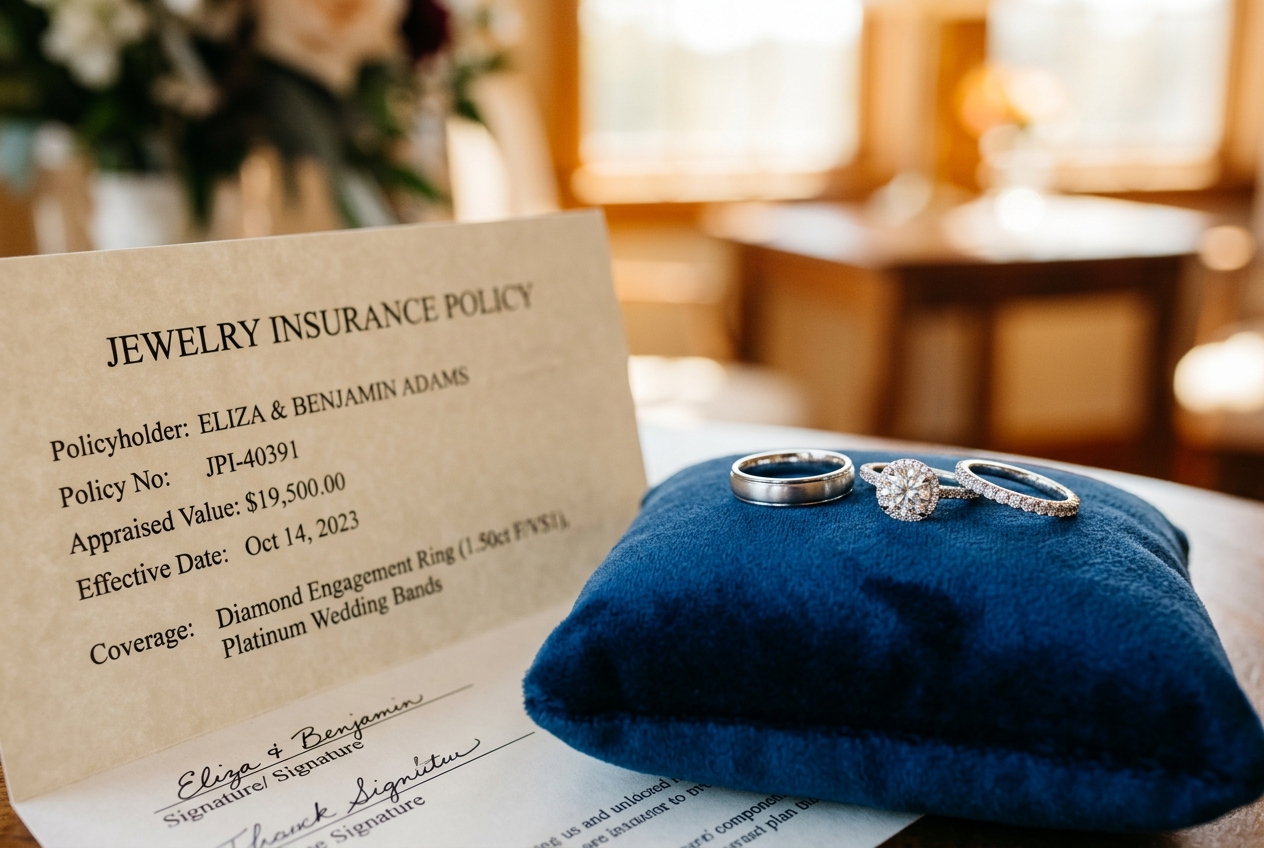 This is the most important practical decision you will make in wedding planning. Payment method determines almost everything about your ability to recover money if a supplier fails.
Credit card (Section 75 protection)
Section 75 of the Consumer Credit Act 1974 is one of the most powerful consumer protections in UK law. When you use a credit card to pay for goods or services costing between £100 and £30,000, the credit card company is jointly liable with the supplier for any breach of contract — including supplier insolvency.
Key facts:
- Applies to any credit card payment where the total transaction is £100-£30,000 — you do not need to put the full amount on the card
- If you pay a £500 deposit by credit card and £3,000 by bank transfer, Section 75 covers the entire £3,500 transaction, not just the £500 card portion
- There is no time limit on Section 75 claims after a breach of contract (unlike Chargeback’s 120-day window)
- Your claim is against your card issuer directly — you do not need to wait for insolvency proceedings
How to claim: Contact your credit card provider. State that the supplier has ceased trading, that this constitutes a breach of contract, and that you are making a Section 75 claim. Provide evidence: your contract, booking confirmation, payment receipts, and evidence of the supplier’s failure (Companies House strike-off notice, news coverage, liquidator appointment).
Debit card (Chargeback scheme)
Chargeback is a voluntary scheme — not a statutory right — operated by card networks (Visa, Mastercard, Amex). It allows you to dispute a transaction and request a refund from your bank if a supplier fails to deliver.
Key facts:
- Applies to both credit and debit card payments
- The claim window is 120 days from the payment date, not the wedding date
- If you paid a deposit 8 months before your wedding, your 120-day Chargeback window may have expired before the wedding takes place
- Banks are not legally obliged to uphold Chargeback claims — they can decline
Implication for wedding deposits: If you pay a deposit by debit card more than 4 months (120 days) before your wedding, you are beyond the Chargeback window. For weddings booked 12-18 months in advance — which is typical for popular venues and suppliers — this means debit card payments offer no protection for the full booking period.
Bank transfer (no statutory protection)
Bank transfers — faster payments, CHAPS, BACS — provide no consumer protection if a supplier fails. Your options in this case are:
- Insolvency claim: File as an unsecured creditor in the insolvency process. Unsecured creditors (which customers typically are) recover pennies in the pound, if anything, after secured creditors (banks, HMRC) are paid.
- Wedding insurance: Supplier failure cover pays out if you have an active policy that includes this cover and the policy predates the financial difficulty.
- Court action: In limited circumstances — such as director fraud or wrongful trading — you may be able to pursue company directors personally. This is rare and expensive.
The credit card trick: split your payment
Here is the most practical piece of advice: if you can only put part of a payment on a credit card, put at least £1 on the card.
Section 75 applies when the total transaction value is between £100 and £30,000. The amount you put on the card does not need to be the full total — you just need to have used a credit card for part of the transaction.
This means: if you are paying a £2,000 deposit and prefer to use your current account, pay £1,999 by bank transfer and £1 by credit card. You have now triggered Section 75 protection for the entire £2,000. Your card issuer becomes jointly liable for the full transaction.
This is not a loophole — it is exactly how Section 75 is designed to work, as confirmed by the Financial Conduct Authority and tested in consumer court cases.
First-hand example: Bloom & Bower florist failure, Bristol, 2025
A couple we worked with — Kate and James, Bristol, 180-guest wedding planned for September 2025 — booked their florist in November 2023. They paid a £1,200 initial deposit and a £2,800 balance in August 2024, both by bank transfer.
In June 2025, with three months until the wedding, Bloom & Bower Ltd entered administration. Kate and James received an email from the liquidator inviting them to file as unsecured creditors. The total owed across all outstanding weddings was £84,000. The company’s assets — a van, some equipment, and a small commercial lease — covered approximately £6,200 after secured creditors were paid. Unsecured creditors received 7p in the pound.
Kate and James recovered £280 of their £4,000. They had no wedding insurance. They had no credit card payments on the account.
They found a replacement florist at 10 weeks’ notice — at a 40% premium to their original quote, because last-minute availability commands higher prices.
Their total additional cost: approximately £2,800 (the unrecovered £3,720 less the £280 returned, offset by the extra florist cost).
What your contract should say

 Before signing, check for these terms:
Deposit in trust. Some suppliers hold client deposits in a dedicated client account rather than using them for operating costs. If the contract says “deposits are held in a client trust account and will be refunded in full if we are unable to fulfil the booking,” this provides genuine extra protection. In practice, most small suppliers do not operate trust accounts — but asking the question reveals how the supplier thinks about client money.
Cancellation by the supplier. The contract should specify what happens if the supplier cancels — not just if you cancel. If there is no clause covering supplier cancellation or business failure, you are relying entirely on Section 75, Chargeback, or insurance.
Successor clause. For sole traders, ask what happens if they become unable to work through illness, injury, or business failure. A named successor or recommended replacement contact is a meaningful addition to a contract.
Non-refundable deposits. A clause stating that all deposits are non-refundable is not enforceable in all circumstances under UK consumer law — particularly if the supplier fails to deliver the service. Be wary of contracts where this clause is presented as absolute.
Wedding insurance: supplier failure cover
Standard wedding insurance typically covers cancellation by the couple (illness, bereavement, venue fire) but not necessarily supplier failure. Check whether your policy includes:
- Supplier failure cover: Pays out if a named supplier ceases trading and cannot provide the contracted service.
- Pre-insolvency exclusion: Many policies exclude cover if the supplier’s financial difficulty was already “public knowledge” at the time you took out the policy. If a supplier is already known to be in trouble, buy insurance immediately.
- Per-supplier limits: Some policies cap supplier failure claims per individual supplier — check the cap matches your largest deposit.
Typical additional cost for supplier failure cover: £40-£120 on top of a standard wedding insurance premium of £100-£250. The total investment of £150-£370 for comprehensive cover is modest relative to a £20,000 wedding.
Key providers of wedding insurance with supplier failure cover in the UK include Dreamsaver, John Lewis Finance, and Wedinsure. Compare policies on GoCompare or Compare the Market, and read the supplier failure exclusions carefully before buying.
If your supplier has already failed: action checklist
- Identify your payment method — credit card, debit card, or bank transfer.
- Credit card: Call your issuer immediately. Quote Section 75 Consumer Credit Act 1974. Request a claim form or online claim process.
- Debit card: Call your bank immediately. Request Chargeback. Confirm whether you are within 120 days of each payment date.
- Bank transfer: Contact your wedding insurer immediately. Also register as a creditor with the insolvency practitioner — find them named in the Companies House filing.
- Document everything: Save all contracts, payment receipts, emails, and any communication about the failure. You will need these for any claim.
- Find a replacement: Do not wait for money to be recovered before searching. The longer you wait, the fewer alternatives are available and the higher last-minute premiums will be.
Related articles
- 15 Wedding Venue Red Flags You’d Be Mad to Ignore
- 14 Wedding Planner Red Flags UK Couples Should Walk Away From
- 56% of UK Couples Overspend Their Wedding Budget — Where the Money Actually Goes
- The Average UK Wedding Now Costs £21,990: Which Number Is Right?
- Are Humanist Weddings Legally Recognised in England and Wales?
- Wedding Venue Red Flags: 15 Signs to Walk Away
Frequently asked questions
What should I do if my wedding supplier goes bust?
Act immediately. Check how you paid — credit card payments are protected under Section 75 of the Consumer Credit Act for purchases of £100-£30,000. Debit card payments may qualify for Chargeback if within 120 days. Contact your bank or card issuer today. If you have wedding insurance with supplier failure cover, notify your insurer at the same time. Do not wait for the liquidator to contact you — file your claim proactively.
Does Section 75 protect my wedding supplier deposit?
Yes, if you paid by credit card and the deposit was between £100 and £30,000. Section 75 of the Consumer Credit Act 1974 makes your credit card company jointly liable with the supplier — so if the supplier goes bust, your card issuer must refund the full amount, not just the card portion of any split payment. This applies even if you only put £1 on the card and the rest by transfer.
What is the difference between Section 75 and Chargeback for wedding deposits?
Section 75 is a statutory right under the Consumer Credit Act — it applies to credit card payments of £100-£30,000 and is enforceable in court. Chargeback is a voluntary scheme operated by Visa, Mastercard, and Amex — it applies to both credit and debit card payments but has a 120-day claim window and no legal guarantee. Section 75 has no time limit on claims after a breach of contract.
Can I get my wedding deposit back if I paid by bank transfer?
Possibly, but your options are limited. UK bank transfers are not covered by Section 75 or Chargeback. Your only routes are: the supplier's insolvency process (unlikely to pay unsecured creditors in full), wedding insurance with supplier failure cover (if you bought it before the supplier failed), or court action against directors in rare cases of personal liability. This is why paying by credit card for any deposit over £100 matters significantly.
Does wedding insurance cover supplier insolvency?
Some wedding insurance policies include supplier failure cover — but not all, and the terms vary significantly. Supplier failure cover typically pays out if a supplier ceases trading due to financial failure, provided you had the policy before the supplier showed signs of financial distress. Read the policy terms carefully: some exclude cover if the supplier's financial difficulty was already widely known. Cover typically costs £40-£120 extra on a standard policy.
How can I vet a wedding supplier's financial health before booking?
Check Companies House — all UK limited companies must file accounts, which are public. Look for recent accounts showing a healthy balance sheet, not repeated losses or growing debt. Check the company's credit rating via a service like Creditsafe or Experian Business. Read recent reviews for any signals of financial stress (late deliveries, non-responsive communication). For sole traders or partnerships, financial health is harder to assess — prioritise paying by credit card for protection.
What should a wedding contract say to protect my deposit?
Look for these clauses: a clear refund schedule specifying what percentage is returned if the supplier cancels; a 'deposit held in client account' clause confirming your money is held separately rather than used for operating costs; force majeure terms covering the supplier's business failure; and a named successor or alternative contact if the primary supplier becomes unavailable. Avoid contracts where the deposit is described as 'non-refundable under any circumstances' — this may not be enforceable if the supplier fails to deliver.