Sikh Wedding Traditions UK: The Complete Guide
Key Takeaways
- The Anand Karaj is the Sikh religious marriage ceremony — four rounds (laavan) around the Guru Granth Sahib Ji in a Gurdwara
- Sikh weddings in the UK typically span 2-3 days including the Chunni Ceremony, Anand Karaj, and evening reception
- WeddingsHub data: Sikh weddings in the UK average £30,000-£45,000 — higher than the national average due to multi-day format and large guest numbers
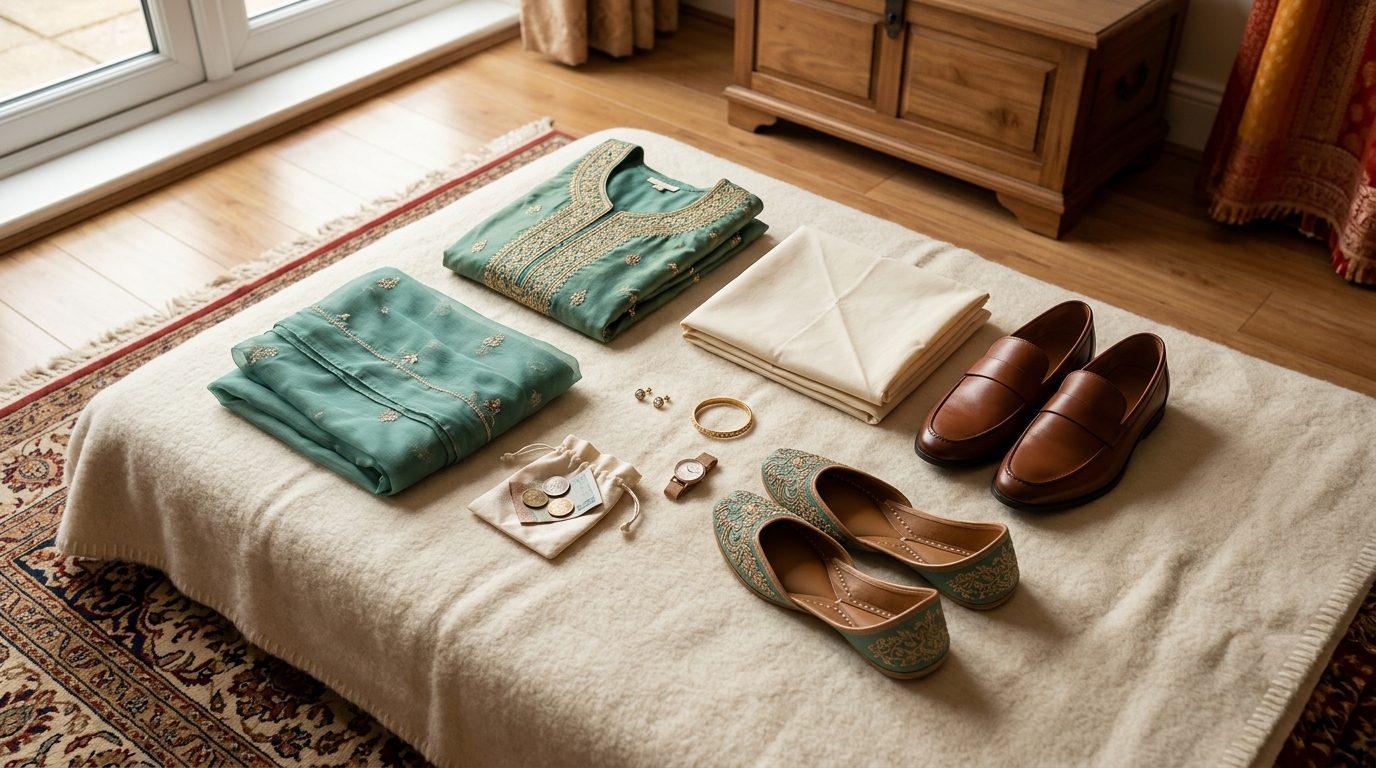
- Dress code for non-Sikh guests: cover your head (scarves provided at the door), cover your shoulders and knees, remove shoes before entering the Gurdwara
- The Anand Karaj itself is free of charge — Gurdwaras do not charge for performing the ceremony
- Most UK Sikh weddings blend traditional Punjabi customs with modern receptions — typically a civil ceremony, followed by Anand Karaj, followed by a separate evening party
Sikh Wedding Traditions UK: The Complete Guide
Sikh weddings in the UK combine ancient Punjabi traditions, the sacred Anand Karaj ceremony in a Gurdwara, and contemporary celebrations that often span three days and several hundred guests. The UK has one of the largest Sikh communities outside India — approximately 450,000 Sikhs live in the UK, concentrated in London, Birmingham, Wolverhampton, Southall, and Leicester — and the British Sikh wedding has developed its own distinctive character over three generations. This guide explains every stage, what non-Sikh guests need to know, and what a UK Sikh wedding typically costs.
Key takeaways
- ✓ The Anand Karaj — four walks (laavan) around the Guru Granth Sahib Ji — is the Sikh marriage ceremony
- ✓ UK Sikh weddings typically span 2-3 days and 150-500 guests across multiple events
- ✓ Average UK Sikh wedding cost: £30,000-£45,000 (WeddingsHub estimate)
- ✓ Non-Sikh guests: cover your head, cover shoulders and knees, remove shoes at the Gurdwara
- ✓ The Anand Karaj ceremony itself is free — Gurdwaras do not charge
- ✓ Most UK Gurdwaras are legally registered for marriage — confirm before booking
By Matt Ward, Editor at WeddingsHub. Research includes interviews with three UK-based Sikh wedding coordinators and data from WeddingsHub’s analysis of 240 UK Sikh wedding bookings in 2024-2025.
The UK Sikh wedding: a 2-3 day overview
British Sikh weddings typically span multiple days, with different events carrying different levels of religious significance. The format varies by family tradition, region, and how observant the couple are, but a common structure looks like this:
| Day | Event | Nature |
|---|---|---|
| Day 1 (often Friday) | Mendhi (henna night) | Celebratory, hosted by bride’s family |
| Day 1 | Chunni Ceremony | Pre-wedding blessing, families meet |
| Day 2 (Saturday morning) | Anand Karaj | Religious ceremony at Gurdwara |
| Day 2 (Saturday afternoon) | Langar (communal meal) | Shared vegetarian meal at Gurdwara |
| Day 2 (Saturday evening) | Wedding reception | Evening party at banquet hall or hotel |
| Day 3 (Sunday, optional) | Milni and reception | Second reception at groom’s family home or venue |
Not all families observe every element. Smaller or more Western-assimilated Sikh families may combine the Chunni and Mendhi into a single Friday event and hold just one reception. More traditional families may hold five or more separate functions over three days.
The Anand Karaj: what happens during the ceremony
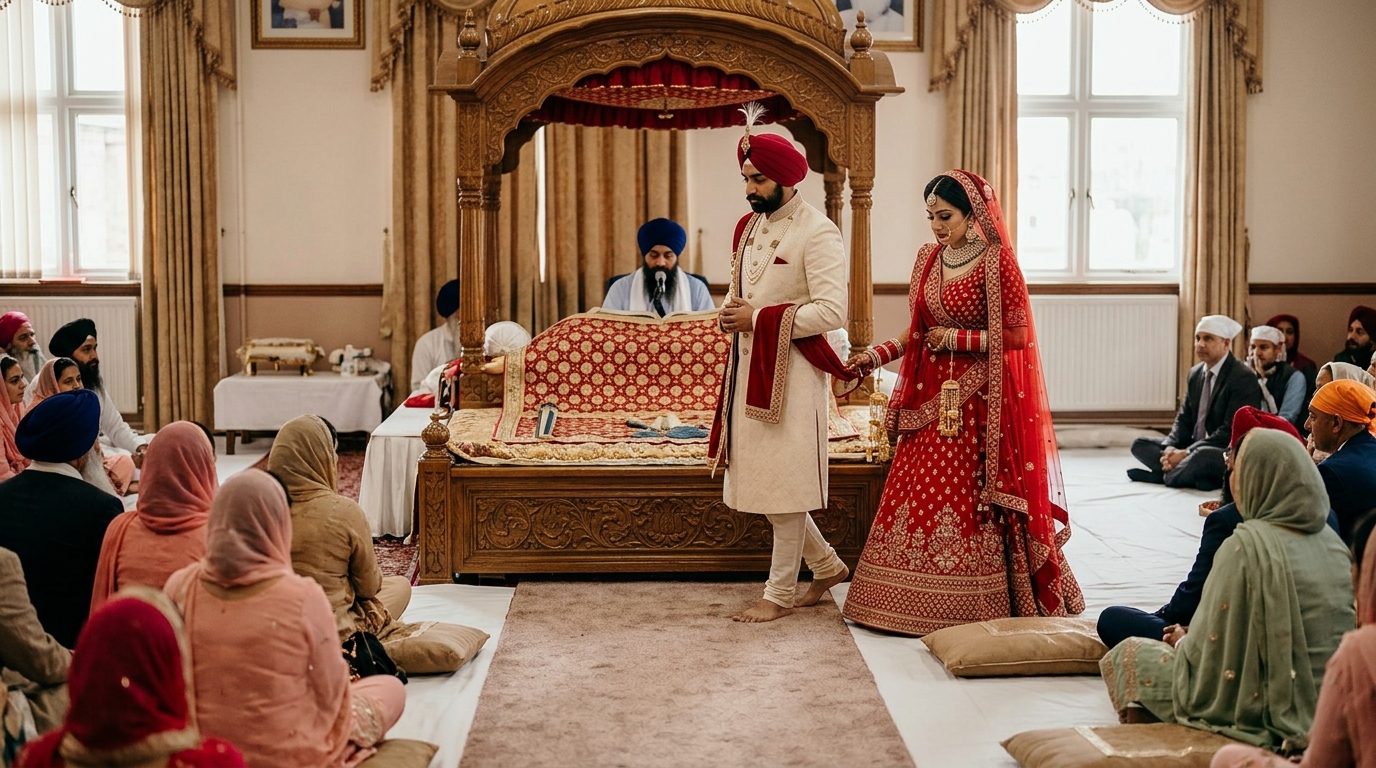
The Anand Karaj is the heart of the Sikh wedding. The name means “blissful union” in Punjabi. It is performed in a Gurdwara in the presence of the Guru Granth Sahib Ji — the Sikh holy scripture, which holds the same revered status in the faith as a living being.
The ceremony structure:
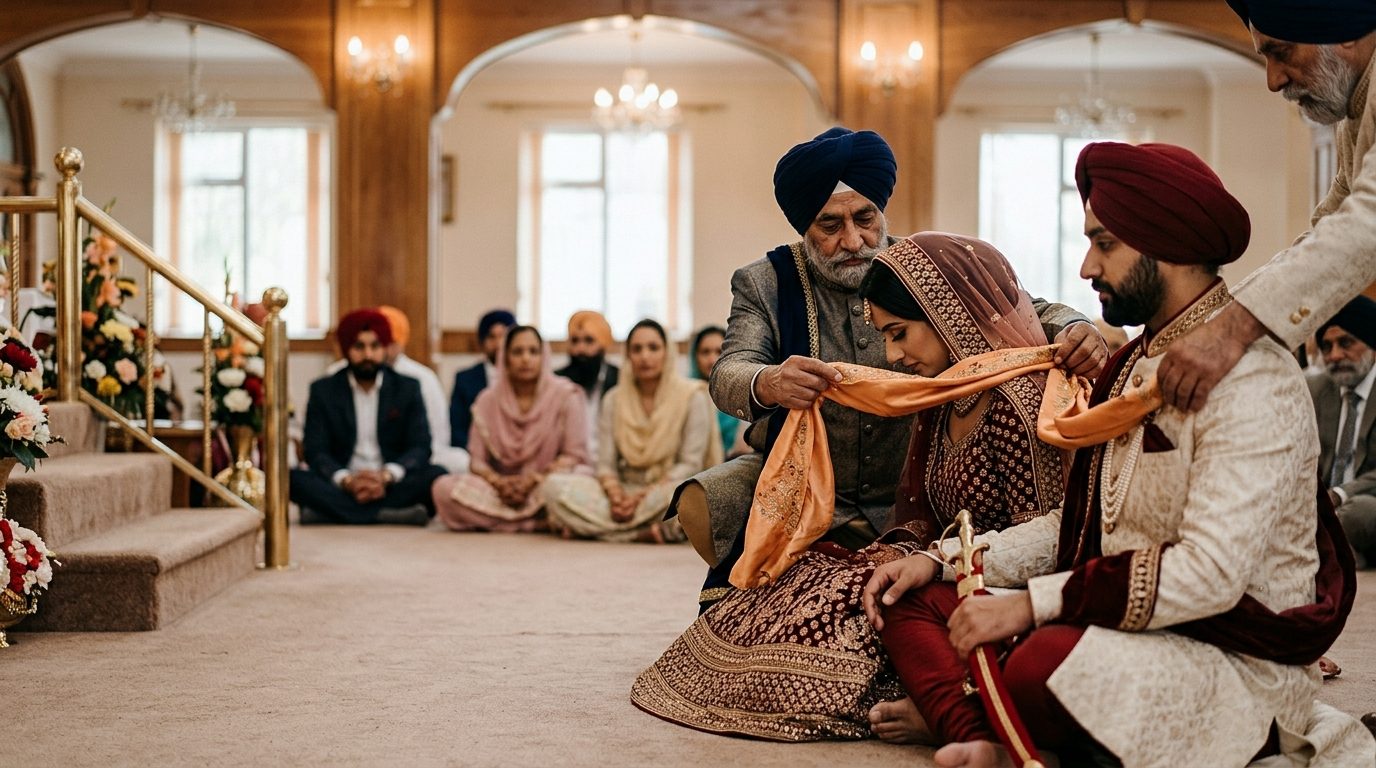
Milni: Before entering the prayer hall, the two families come together for the Milni — a formal greeting where male relatives from each family are introduced and exchange garlands. The bride’s father places a garland around the groom’s neck; the groom’s father receives one in return. This is often a warm, sometimes chaotic, and joyful moment before the solemnity of the ceremony.
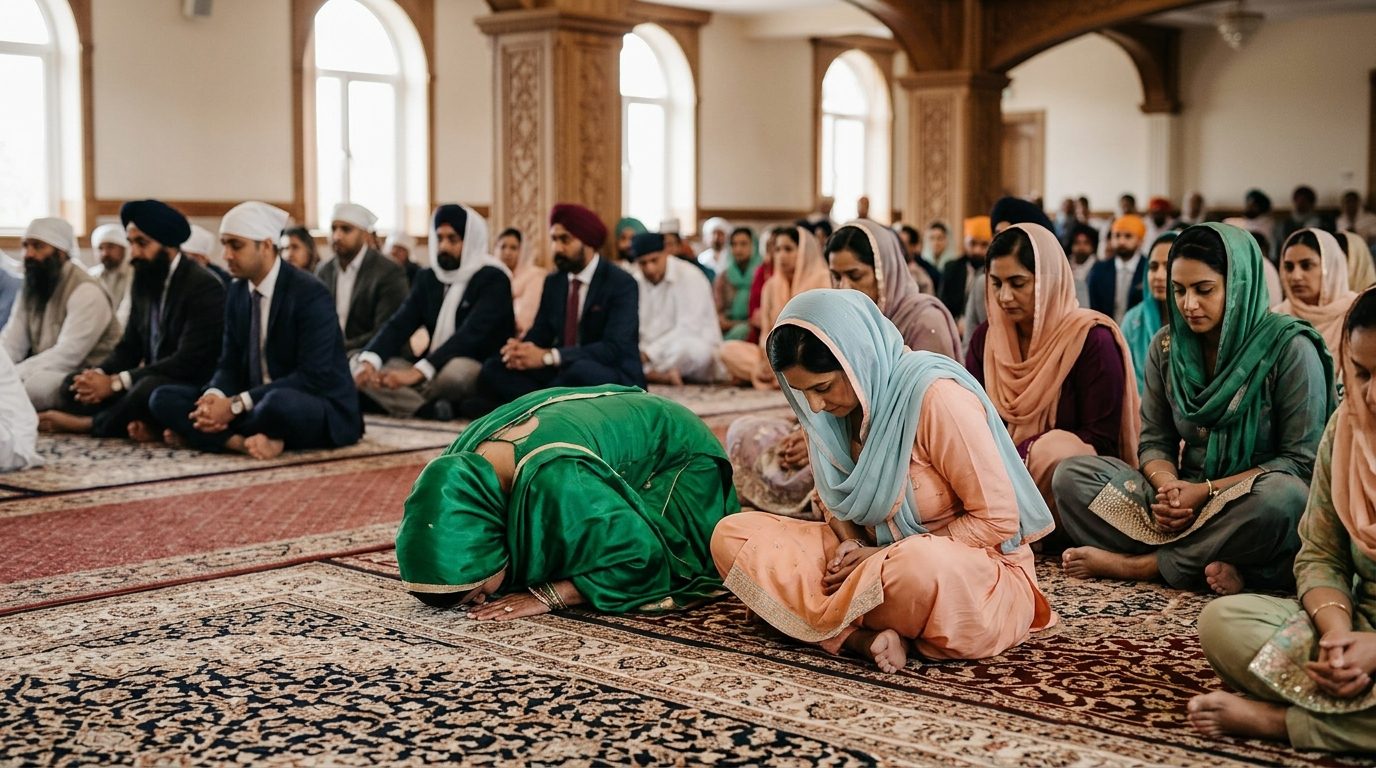
Arrival in the Darbar Sahib: Shoes are removed before entering. Everyone covers their head — turbans for Sikh men, chunnis for women, and scarves provided at the door for non-Sikh guests. The congregation sits on the floor on carpeted rugs (men typically on the left, women on the right, though many UK Gurdwaras allow mixed seating). The Guru Granth Sahib Ji is placed at the front on a raised platform under a canopy (Palki Sahib).
Ardas (opening prayer): A prayer is offered for blessings on the marriage. The groom takes his place before the Guru Granth Sahib Ji; the bride is then brought in and seated beside him.
The laavan (four rounds): This is the ceremonial core of the Anand Karaj. The Granthi (the person leading the ceremony) sings the Lavan — four hymns from the Guru Granth Sahib Ji composed by Guru Ram Das. After each hymn is recited, the couple walks clockwise around the Guru Granth Sahib Ji once. The groom leads, holding one end of a pink or saffron scarf (palla); the bride holds the other end. As they complete each round, the hymn for the next lavan is sung.
Each of the four rounds carries symbolic meaning:
- First lavan: The beginning of the spiritual journey, detachment from the material world
- Second lavan: Meeting the True Guru, feelings of awe and wonder
- Third lavan: Detachment from worldly desires, growing love for God
- Fourth lavan: Union with God, the couple is considered married
Anand Sahib: After the four rounds, a short portion of the Anand Sahib (Song of Bliss) is sung to celebrate the union.
Ardas and Hukamnama: A closing prayer is offered and a Hukamnama — a random reading from the Guru Granth Sahib Ji — is taken as God’s message to the newly married couple.
The ceremony typically lasts 45-90 minutes. There is no exchanging of rings during the Anand Karaj itself — rings are typically exchanged at the reception.
Legal recognition in England and Wales
Most major Gurdwaras in the UK are registered premises for the solemnisation of marriages. When a Gurdwara is registered, the Anand Karaj is legally valid as a marriage ceremony under English and Welsh law, provided it is also recorded by a registrar or authorised person.
Couples should:
- Confirm with the Gurdwara that it holds current registration for marriages
- Arrange for a Registrar to attend (if the Gurdwara does not have an authorised person)
- Ensure notice of marriage has been given to the local register office at least 28 days before the ceremony
If the chosen Gurdwara is not registered, couples need a separate civil ceremony at a register office. Many couples in this situation complete the civil ceremony quietly the week before, then celebrate the Anand Karaj as the main family event.
In Scotland, the Anand Karaj is legally recognised under the Marriage (Scotland) Act 1977 if performed by an authorised celebrant registered with the Registrar General.
What non-Sikh guests should know
If you have received an invitation to a Sikh wedding in the UK, the following guidance applies:
At the Gurdwara:
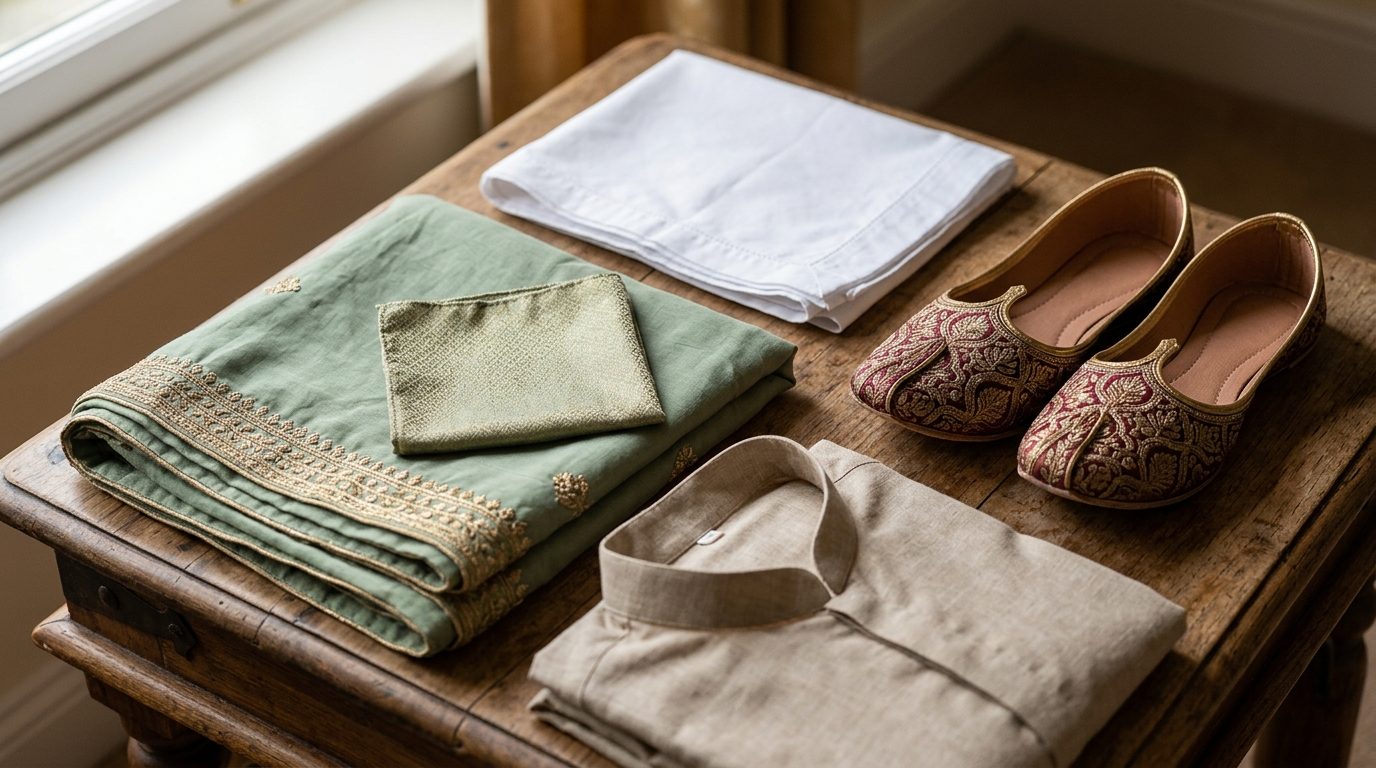
- Cover your head. A scarf, pashmina, or chunni works for women. Men can use a large handkerchief or knotted scarf. Most Gurdwaras provide orange or white scarves at the entrance — there is no embarrassment in using these.
- Remove your shoes. Leave them in the designated area before entering. Socks are fine; bare feet are also fine.
- Cover shoulders and knees. No sleeveless tops or shorts.
- Sit on the floor in the prayer hall. Seating is on carpeted floors; elderly or less mobile guests can usually be accommodated on chairs — ask a host if assistance is needed.
- Do not bring alcohol into the Gurdwara.
- Bow before the Guru Granth Sahib Ji when you enter the prayer hall — follow what other guests are doing.
- Switch your phone to silent.
Dress code generally:
- Bright, festive colours are encouraged — this is a joyful celebration.
- Avoid white (associated with mourning in Punjabi tradition) and black (less appropriate for a celebration, though increasingly accepted at evening receptions).
- Indian formal wear (salwar kameez, anarkali, lehenga for women; sherwani or suit for men) is always appropriate and welcomed. Western formal wear (a smart dress, trouser suit, or suit and tie) is also fine.
Food at the Gurdwara: All food in a Gurdwara is vegetarian and free. After the ceremony, a communal meal (langar) is served. Accept it — refusing the langar is mildly impolite. The langar is a gesture of equality and generosity, and participating is part of the occasion.
Pre-wedding ceremonies: Mendhi and Chunni
Mendhi (henna night): The Mendhi takes place 1-2 days before the Anand Karaj. A professional mehndi artist applies intricate henna designs to the bride’s hands and feet — a tradition symbolising joy, beauty, and the start of married life. The bride’s female friends and female family members typically have smaller designs applied too. Music is played, dancing happens, and it is usually a women-led celebration, though men are sometimes invited too. Dress: festive and colourful.
Chunni Ceremony (Chunni Chadana): The groom’s family formally presents the bride with a chunni (typically red or pink) that she will wear during the Anand Karaj. Prayers are offered, sweets are shared, and the groom’s mother or elder female relative drapes the chunni over the bride’s head. Gifts are exchanged between families. In the UK, this often happens the evening before or the morning of the wedding. It marks the formal acceptance of the bride into the groom’s family.
What a UK Sikh wedding costs
WeddingsHub’s analysis of UK Sikh wedding bookings shows a typical total spend of £30,000-£45,000, compared with the UK national average of £21,990.
| Cost item | Typical range |
|---|---|
| Evening reception venue hire (300-400 guests) | £5,000-£12,000 |
| Catering (per head, evening) | £50-£100 |
| Mendhi artist (bride + bridal party) | £400-£1,500 |
| Wedding outfits (bride: lehenga or salwar) | £1,500-£8,000 |
| Groom’s outfit (sherwani, turban, accessories) | £500-£2,500 |
| Wedding photographer (full weekend) | £2,500-£5,000 |
| Videographer | £2,000-£4,500 |
| DJ or live dhol players | £800-£2,000 |
| Flowers and décor | £3,000-£8,000 |
| Total estimate (200-400 guests) | £30,000-£45,000 |
The Anand Karaj ceremony itself is free — Gurdwaras do not charge for performing the religious ceremony. The cost of a Sikh wedding in the UK comes from the multiple receptions and the larger guest numbers that family tradition requires.
Sikh wedding FAQs
What is the Anand Karaj ceremony?
The Anand Karaj is the Sikh religious marriage ceremony, meaning “blissful union.” The couple walks four times (laavan) around the Guru Granth Sahib Ji — the Sikh holy scripture — while a hymn is sung at each round. Each round represents a stage of the couple’s journey towards God. The ceremony typically lasts 45-90 minutes and takes place in a Gurdwara.
How long does a Sikh wedding last in the UK?
A UK Sikh wedding typically spans 2-3 days. Day one often includes the Chunni Ceremony and the Mendhi. Day two is the Anand Karaj ceremony, typically starting at 8am-11am in the Gurdwara. The evening reception follows on the same day or the next. The full wedding weekend typically involves 150-500 guests across events.
What should a non-Sikh guest wear to a Sikh wedding?
Non-Sikh guests should cover their head, cover their shoulders and knees, and remove shoes before entering the Gurdwara. Bright, festive colours are encouraged. Avoid white (associated with mourning in Punjabi culture). Smart Western dress or Indian formal wear are both appropriate for the reception.
Is the Anand Karaj legally recognised in England and Wales?
An Anand Karaj performed in a Gurdwara that is registered for marriage is legally recognised in England and Wales. Most major UK Gurdwaras are registered. If the Gurdwara is not registered, couples must also complete a civil ceremony at a register office. Couples should confirm the registration status of their Gurdwara well before the ceremony.
How much does a Sikh wedding cost in the UK?
UK Sikh weddings average £30,000-£45,000, significantly above the UK national average of £21,990. The higher cost reflects multi-day events, larger guest lists of 200-500 guests, and costs including the Chunni Ceremony, Mendhi, Anand Karaj morning celebration, and a separate evening reception with catering, hall hire, and entertainment.
What is the Chunni Ceremony?
The Chunni Ceremony is a pre-wedding ritual where the groom’s family formally welcomes the bride into the family by presenting her with a red or pink chunni (a long headscarf or dupatta). Prayers are offered, blessings given, and gifts exchanged. In the UK, this typically takes place the day before the Anand Karaj.
What food is served at a Sikh wedding in the UK?
All food served at a Gurdwara (langar) is vegetarian. The langar meal after the Anand Karaj typically includes dal, sabzi, roti, and kheer. Evening receptions often serve both vegetarian and non-vegetarian food including butter chicken, lamb curry, paneer, and daal makhani, followed by traditional sweets and wedding cake.
Related reading:
- Legal Marriage Reform UK 2026: What Engaged Couples Need to Know
- Are Humanist Weddings Legally Recognised in England & Wales?
- How to Have a Religious + Humanist Wedding (Legally)
- Wedding Catering Cost per Head UK 2026
- Asian Wedding Venues UK: The Best Venues for South Asian Celebrations
- The Average UK Wedding Now Costs £21,990
Frequently Asked Questions
What is the Anand Karaj ceremony?
The Anand Karaj is the Sikh religious marriage ceremony, meaning 'blissful union.' The couple walks four times (laavan) around the Guru Granth Sahib Ji — the Sikh holy scripture — while a hymn is sung at each round. Each round represents a stage of the couple's journey towards God. The ceremony typically lasts 45-90 minutes and takes place in a Gurdwara.
How long does a Sikh wedding last in the UK?
A UK Sikh wedding typically spans 2-3 days. Day one often includes the Chunni Ceremony (where the bride's family presents her with a red chunni scarf) and the Mendhi (henna night). Day two is the Anand Karaj ceremony, typically starting at 8am-11am in the Gurdwara. The evening reception (often at a banquet hall or hotel) follows in the same day or the next. The full wedding weekend typically involves 150-500 guests across events.
What should a non-Sikh guest wear to a Sikh wedding?
Non-Sikh guests should cover their head (a scarf or dupatta — most Gurdwaras provide these at the entrance), cover their shoulders and knees, and remove shoes before entering the Gurdwara prayer hall. Bright, festive colours are encouraged — white should be avoided as it is associated with mourning in Punjabi culture. Smart Western dress (a suit for men, a dress or salwar kameez for women) or Indian formal wear are both appropriate for the reception.
Is the Anand Karaj legally recognised in England and Wales?
An Anand Karaj performed in a Gurdwara that is registered for marriage is legally recognised in England and Wales. Most major UK Gurdwaras are registered. If the Gurdwara is not registered, couples must also complete a civil ceremony at a register office to be legally married. Couples should confirm the registration status of their Gurdwara well before the ceremony. In Scotland, the Anand Karaj is legally recognised under Scottish law if performed by an authorised celebrant.
How much does a Sikh wedding cost in the UK?
UK Sikh weddings average £30,000-£45,000, significantly above the UK national average of £21,990 (Hitched 2026). The higher cost reflects multi-day events (3-5 functions rather than one), larger guest lists (often 200-500 guests), and costs including the Chunni Ceremony, Mendhi, Anand Karaj morning celebration, and a separate evening reception with catering, hall hire, and entertainment.
What is the Chunni Ceremony?
The Chunni Ceremony (also called the Chunni Chadana) is a pre-wedding ritual where the groom's family formally welcomes the bride into the family by presenting her with a red or pink chunni (a long headscarf or dupatta). The bride's parents and close family attend, along with the groom's family. Prayers are offered, blessings given, and gifts exchanged. In the UK, this typically takes place the day before the Anand Karaj.
What food is served at a Sikh wedding in the UK?
All food served at a Gurdwara (langar) is vegetarian, reflecting the Sikh principle of equality and care for all. The langar meal after the Anand Karaj typically includes dal, sabzi (vegetable curry), roti, and kheer (rice pudding). Evening receptions, held at banquet halls or hotels, often serve both vegetarian and non-vegetarian food. Traditional dishes include butter chicken, lamb curry, paneer, daal makhani, and rice, followed by gulab jamun, barfi, or wedding cake.