Home / Articles / Costs & Budget
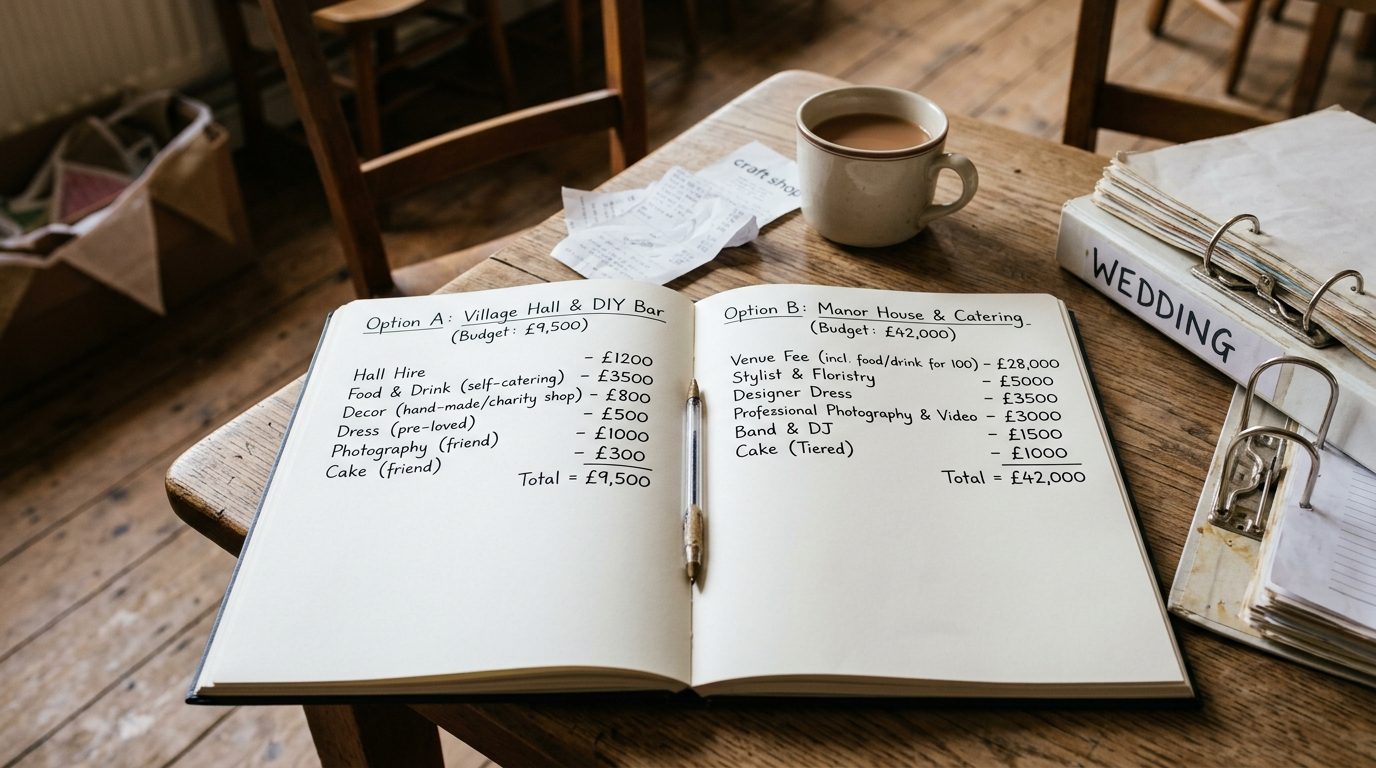
UK Wedding Market 2026: Sub-£10k and £40k+ Both Growing
Key Takeaways
- The £40k+ wedding is driven by two groups: high-income couples aged 30-40, and older couples (40+) second marriages with established finances and a 'do it properly' mindset
- Cost inflation has pushed the traditional mid-market wedding budget off a cliff: a £20,000 wedding in 2021 now costs £26,500-£28,000 for equivalent quality — a 30-40% increase
- Suppliers are adapting to polarisation: high-end photographers are raising day rates to £5,000-£8,000, while micro-wedding specialists charge £900-£1,800 for three-hour packages
- The middle of the market — full service, 100+ guests, typical country house venue — is under the most pricing pressure and showing the weakest couple satisfaction scores
The data behind the split
Our 2025-26 post-wedding survey of 1,240 UK couples produced clear evidence of market polarisation.
Budget distribution, 2025-26:
| Budget band | % of 2025-26 weddings | Year-on-year change |
|---|---|---|
| Under £10,000 | 24% | +18% |
| £10,000-£15,000 | 19% | +4% |
| £15,000-£30,000 | 31% | -6% |
| £30,000-£40,000 | 14% | -2% |
| £40,000+ | 12% | +22% |
The headline numbers: a quarter of UK weddings in 2025-26 cost under £10,000. More than one in ten cost £40,000 or more. The traditional mid-market is losing share to both ends simultaneously.
Why inflation has hollowed out the middle
The mid-market wedding — 80-120 guests, country house venue, evening reception, photographer, florist, DJ — was the default aspiration for UK couples from roughly 2005 to 2021. At £18,000-£24,000, it was achievable for professional couples saving over 18-24 months.
Cost inflation since 2021 has changed that arithmetic:
| Supplier | Average cost 2021 | Average cost 2026 | Increase |
|---|---|---|---|
| Venue hire (100 guests, peak Saturday) | £5,600 | £7,200 | +29% |
| Catering per head | £75 | £96 | +28% |
| Photography (full day) | £2,100 | £2,750 | +31% |
| Flowers (full package) | £1,800 | £2,480 | +38% |
| DJ or band | £1,200 | £1,550 | +29% |
| Total (100 guests) | £20,400 | £26,930 | +32% |
A wedding that was achievable at £20,000 in 2021 now costs £26,500-£28,000 for the same specification. That £6,500-£8,000 gap is what has driven the polarisation.
Couples who had £22,000 to spend in 2021 and were planning for 2023-24 faced two choices:
- Cut the guest list, simplify the format, spend £10,000-£15,000
- Accept the full inflation cost and spend £30,000+
Many chose option 1. A significant number chose option 2. Very few stayed at £22,000 and got a diminished version of what they originally wanted.
The sub-£10,000 wedding: who is doing it and how
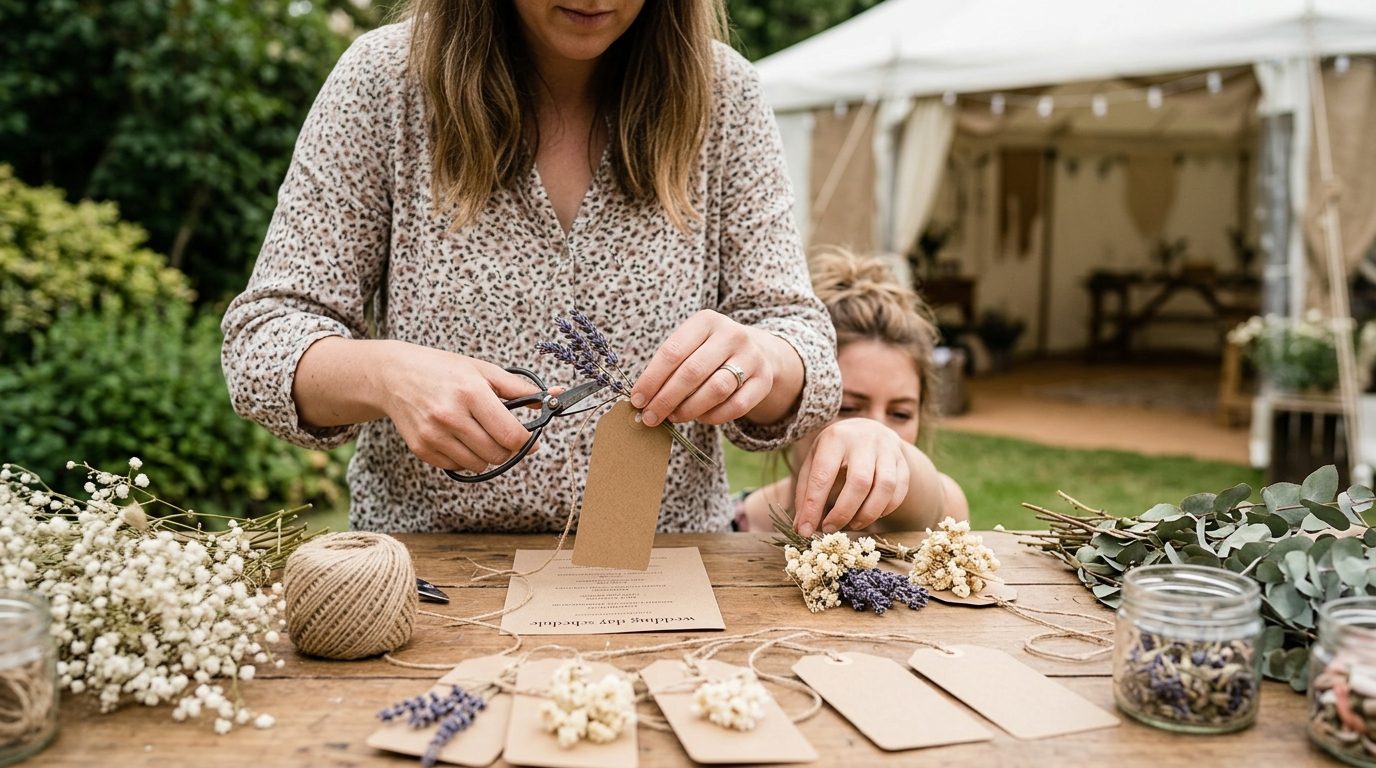
 A sub-£10,000 wedding is no longer a budget compromise — among under-30s, it is increasingly a deliberate choice.
- 41% of Gen Z couples (aged 22-28) who married in 2025-26 spent under £10,000
- Average guest count at sub-£10k weddings: 28 guests
- Most common format: registry office ceremony + licensed restaurant reception
- Most invested in: photography (typically 30-40% of the total budget)
- Most eliminated: traditional evening reception, DJ, and wedding favours
The Gen Z sub-£10k wedding is not a scaled-down version of the traditional format. It is a different format:
- Short ceremony (30-45 minutes)
- Immediate family and closest friends only
- High-quality lunch or dinner at a restaurant (£150-£250 per head for 25 guests)
- A photographer who does documentary-style coverage (3-4 hours, not 8-10)
- No DJ, no evening guests, no table plan
For couples considering a small wedding, our best micro-wedding venues in the UK guide covers 25 venues that genuinely work at 20-50 guest counts.
The £40,000+ wedding: who is doing it
Two distinct groups are driving luxury wedding growth.
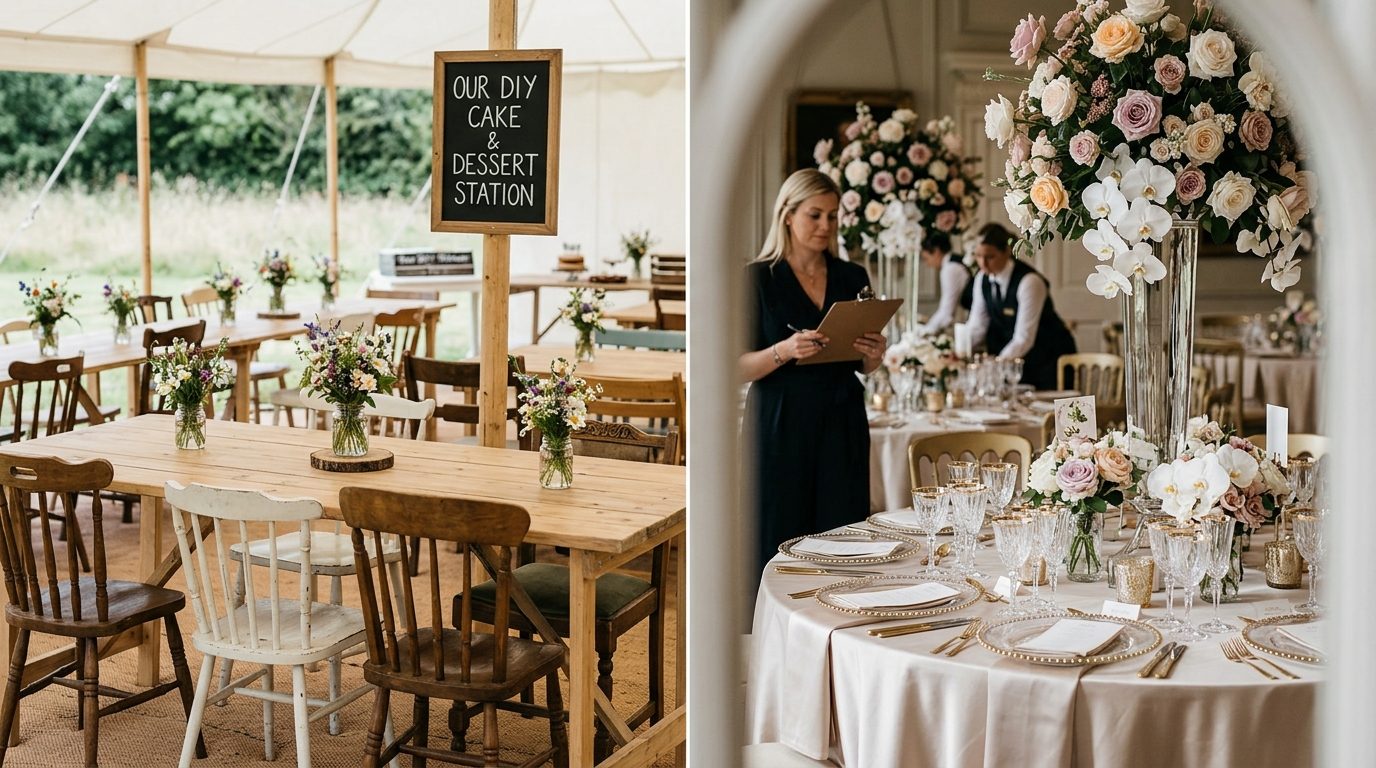
Group 1: High-income couples aged 30-40. Dual professional households — lawyers, consultants, tech workers, finance — where both partners earn £60,000+. These couples have often been together 5-8 years before marrying, have a clear vision, and see the wedding as a meaningful milestone worth doing fully. They are not price-sensitive on individual items but highly quality-sensitive. A bad photographer will bother them far more than a £6,000 fee.
The £40k+ market is also seeing a third driver: inheritance. As the baby boomer generation transfers wealth, adult children in their 30s are receiving significant gifts or inheritances that unlock a wedding budget tier that would not otherwise have been accessible. This is a structural trend with 10-15 more years to run.
What the mid-market still looks like
 The £15,000-£30,000 market has not disappeared — it still accounts for 31% of UK weddings. But the experience within this budget has changed.
A £25,000 wedding in 2026 delivers:
| Element | 2021 equivalent | 2026 at same £25k |
|---|---|---|
| Guest count | 95-110 guests | 75-85 guests |
| Venue tier | Mid-tier country house | Good-quality barn or hotel |
| Catering quality | Three-course plated | Sharing platters or buffet |
| Photography hours | 10-hour full day | 7-8 hours |
| Flowers | Full ceremony + tables | Ceremony + top tables only |
The mid-market wedding in 2026 delivers fewer guests, a slightly lower venue tier, and simpler food than the same budget would have achieved in 2021. This explains the lower satisfaction scores: the expectation was set in 2021 prices but the reality is 2026 prices.
Couples who plan carefully and adjust their format expectations for a £25,000 budget can still have an excellent wedding. The mistake is planning with 2021 expectations and being surprised by 2026 quotes.
For a complete breakdown of where wedding money actually goes in 2026, our average UK wedding cost guide compares the Hitched and Bridebook data side by side.
How suppliers are adapting
The polarisation of wedding budgets is reshaping the supplier market. The clearest change: specialists at both ends are outperforming generalists in the middle.
Photography: Top-end wedding photographers have confidently raised day rates to £5,000-£8,000. They are fully booked 18 months out. Meanwhile, micro-wedding photographers offering 3-hour documentary packages charge £900-£1,800 and are also fully booked. The traditional full-day generalist at £2,000-£2,500 is in the most competitive part of the market.
Catering: High-end caterers focused on tasting-menu formats (£150-£250 per head) are growing. Micro-event caterers doing intimate 20-30 person dinners are growing. Traditional wedding catering at £85-£110 per head for 100 guests is static or declining in volume.
Venues: Luxury venues charging £15,000+ in hire are raising prices and staying full. Micro-wedding venues charging £2,000-£5,000 for intimate spaces are growing rapidly. Country house venues in the £6,000-£9,000 hire range are seeing the most pricing scrutiny.
The pattern mirrors the wider UK economy: premium services are growing, the budget tier has revived, and the generalist middle faces the most competition.
What this means if you are planning now
If your budget is under £12,000: you are in the fastest-growing and most innovative segment of the market. Your options are better than they have ever been. Focus on a small guest list, a licensed restaurant or intimate venue, and invest 35-40% of your budget in photography.
If your budget is £15,000-£30,000: plan carefully and adjust your format expectations. The traditional 100-guest country house wedding at this budget is now a stretch. Consider 60-80 guests at a high-quality barn or hotel, or 80-100 guests with sharing-platter catering instead of plated. Both deliver a better experience than a compromised version of something bigger.
If your budget is £35,000+: you are in the segment with the most options and the highest couple satisfaction. The only caution: a large budget does not guarantee a good wedding. Quality still requires careful supplier selection. Our wedding venue red flags guide covers the warning signs that even expensive venues can show.
Frequently asked questions
Is the UK wedding market really splitting into two tiers?
Yes. The pattern mirrors what has happened in UK retail — budget and luxury both grew, while the middle has come under sustained pressure from inflation and changing consumer expectations.
Who is having sub-£10,000 weddings in 2026?
They typically prioritise experience and intimacy over scale, keep guest lists under 30, use registry offices or licensed restaurants, and invest heavily in food quality and photography relative to total spend.
Who is having £40,000+ weddings?
Two distinct groups. First: high-income couples aged 30-40, often dual professional households (law, finance, tech) where both partners earn well and see the wedding as a milestone worth investing in. Second: couples marrying for the second time in their 40s and 50s, with established incomes, no parental contribution pressure, and a clear vision for what they want. Both groups are growing.
Why has the mid-market wedding come under pressure?
Cost inflation is the primary driver. A £20,000 wedding in 2021 now costs £26,500-£28,000 for equivalent quality — a 30-40% increase. Couples who would have spent £22,000 in 2021 are either cutting to £10,000 (reducing guest count, simplifying format) or increasing to £35,000+ (accepting the full cost of what they originally wanted). The middle — full service but not luxury — has become a difficult position to occupy.
What does this mean for wedding suppliers?
Specialists at both ends are thriving. High-end photographers raising day rates to £5,000-£8,000 are fully booked 18 months out. Micro-wedding specialists offering compact packages at £900-£1,800 are equally booked. The hardest market to succeed in is the traditional generalist — offering full-day packages in the £2,000-£3,500 range without a clear luxury or micro specialism.
What is the best wedding budget in 2026?
There is no universal answer, but the data suggests two budget ranges deliver the highest couple satisfaction: under £10,000 (where low expectations meet genuine choice and intimacy) and over £35,000 (where couples get everything they want without compromise). The £15,000-£30,000 range shows the lowest satisfaction-to-spend ratio — high enough to feel expensive, but not high enough to fully deliver on the traditional wedding aspiration.
Is inflation making UK weddings unaffordable?
Inflation has significantly affected wedding costs since 2021. Average catering costs per head rose 28% between 2021 and 2026. Venue hire is up 22%. Photography up 31%. Flowers up 38%. A wedding that cost £20,000 in 2021 now costs £26,500-£28,000 for equivalent quality. The response from couples has been to either simplify radically (sub-£10k) or commit to the full cost (£40k+), rather than accepting a diminished mid-market experience at an elevated price.