Exclusive Use Venues: The Whole Place Is Yours
Key Takeaways
- Exclusive use means no other guests, events, or weddings on the property during your hire — the entire venue is yours
- Expect to pay 30-50% more than standard hire, but you get rehearsal access, extended hours, and total privacy
- Country houses, boutique hotels, and private estates are the most common exclusive use venue types
- Midweek and off-peak bookings can bring exclusive use costs close to standard Saturday hire prices
- Always check what exclusive use actually includes — some venues exclude certain rooms, outbuildings, or the grounds
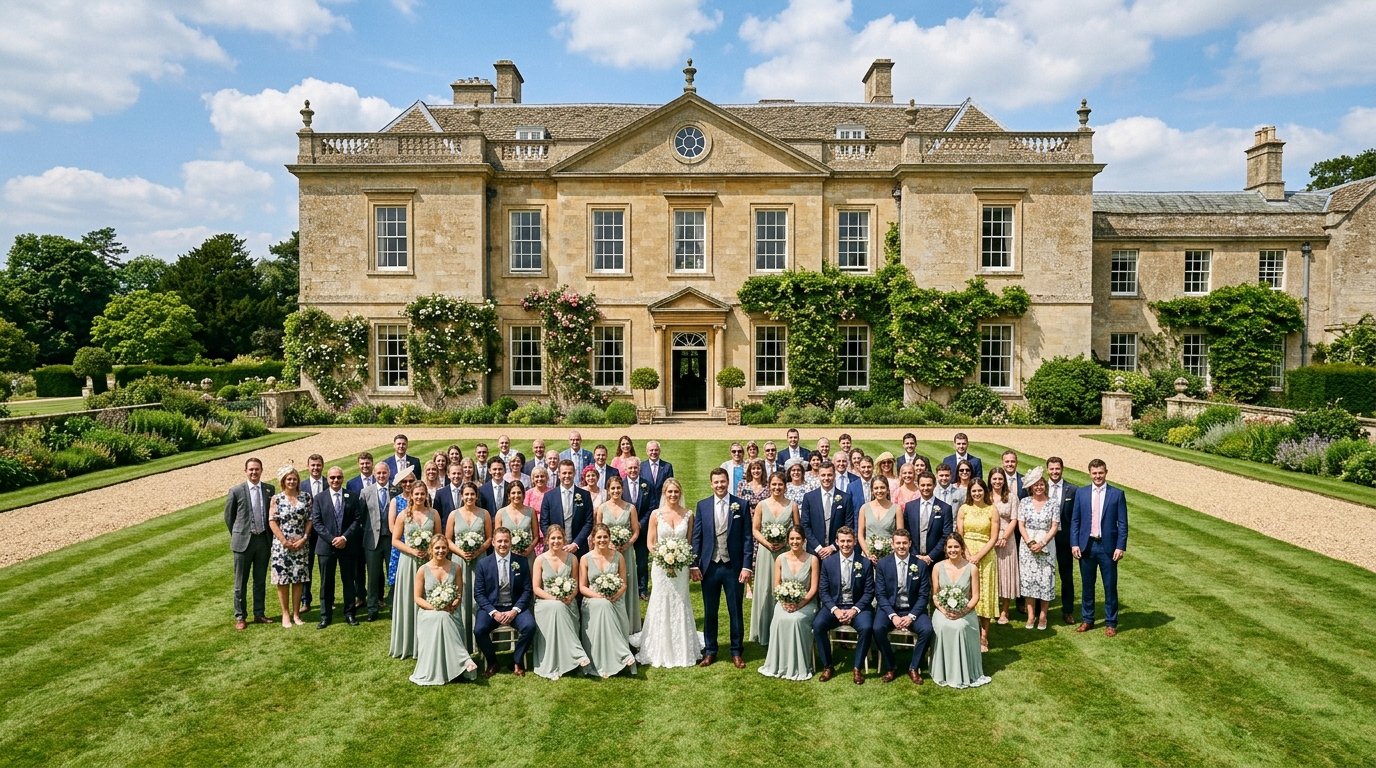
Exclusive use is the simplest concept in wedding venues and the one that makes the biggest difference to your day. It means the entire property — every room, every corridor, every corner of the garden — belongs to you and your guests. No strangers wandering through your photos. No hotel guest complaining about the music. No second wedding happening in the room next door.
The trade-off is cost. Exclusive use venues charge a premium of 30-50% over standard hire. This guide breaks down what you actually get for that money, when it is worth paying, and how to negotiate it at venues that do not normally offer it.
What exclusive use actually means
The term gets used loosely. Some venues mean “you have the function room to yourself.” Others mean “the entire estate, including accommodation, grounds, and outbuildings, is yours for 48 hours.” The difference matters.
True exclusive use includes:
- No other events, weddings, or private functions on the property
- No non-wedding guests staying in on-site accommodation
- Access to all rooms, including getting-ready suites, lounges, and libraries
- Use of the full grounds for photos, drinks receptions, and games
- Setup access the day or evening before
- Extended evening hours (often until 1am or later)
- A later checkout on the morning after
Partial exclusive use (check for this):
- The function rooms are yours, but hotel rooms are open to the public
- The main house is exclusive, but a separate wing or cottage is not included
- The grounds are yours during the day, but shared in the evening
- Setup access is limited to the morning of the wedding
Always ask: “What exactly is included in exclusive use?” Get the answer in writing in the contract. A venue coordinator saying “you will have the run of the place” is not the same as a contract specifying every included space and time.
What it costs
Exclusive use pricing varies enormously by venue type, location, and season. Here are typical ranges for 2026:
| Venue Type | Standard Hire | Exclusive Use | Premium |
|---|---|---|---|
| Country house (small) | £3,000-5,000 | £5,000-8,000 | +40-60% |
| Country house (large) | £5,000-10,000 | £8,000-15,000 | +30-50% |
| Boutique hotel (10-20 rooms) | £2,000-4,000 | £4,000-7,000 | +50-75% |
| Barn or farm | £2,000-5,000 | £3,000-6,500 | +30-40% |
| Private estate | Exclusive only | £8,000-25,000 | N/A |
| Castle | £5,000-12,000 | £10,000-20,000 | +40-60% |
What is included in that price varies. Some exclusive use fees include catering, accommodation for the couple, and basic decoration. Others are the venue hire only, with catering, drinks, and accommodation charged separately. Always compare the total cost, not just the hire fee.
For a full breakdown of venue pricing, read our venue cost guide.
When exclusive use is worth the premium
Not every wedding needs exclusive use. A 30-person lunch at a restaurant does not benefit from having the rest of the building empty. But for certain wedding types, the premium is not just worth it — it is essential.
Worth every penny when:
- You have 80+ guests and want the whole day to flow. Moving 100 people between a ceremony room, a drinks area, and a dinner room is easier when there are no corridors blocked by hotel guests with suitcases.
- You want a relaxed morning-after. Exclusive use usually includes the morning after the wedding. Breakfast with your closest friends and family, still in the venue, with no checkout pressure until midday, is one of the best parts of the whole weekend.
- Noise matters. Standard hire venues often have noise curfews at 11pm because other guests are sleeping. Exclusive use venues let you go until midnight, 1am, or even later.
- You are a private person. Some couples do not want strangers watching them have their first dance, or walking through the background of their photos.
- You want to decorate. Setting up personalised decorations, signage, and table arrangements the night before is only possible with exclusive use. Standard hire gives you the morning of the wedding — not enough time for anything elaborate.
Probably not worth it when:
- Your guest count is under 40 and you only need one room
- You are on a tight budget and the premium pushes you over
- The venue’s standard hire already includes a private function room with no overlap
- You are having a daytime wedding with no evening reception
The venue types that do it best
Country houses and manor houses
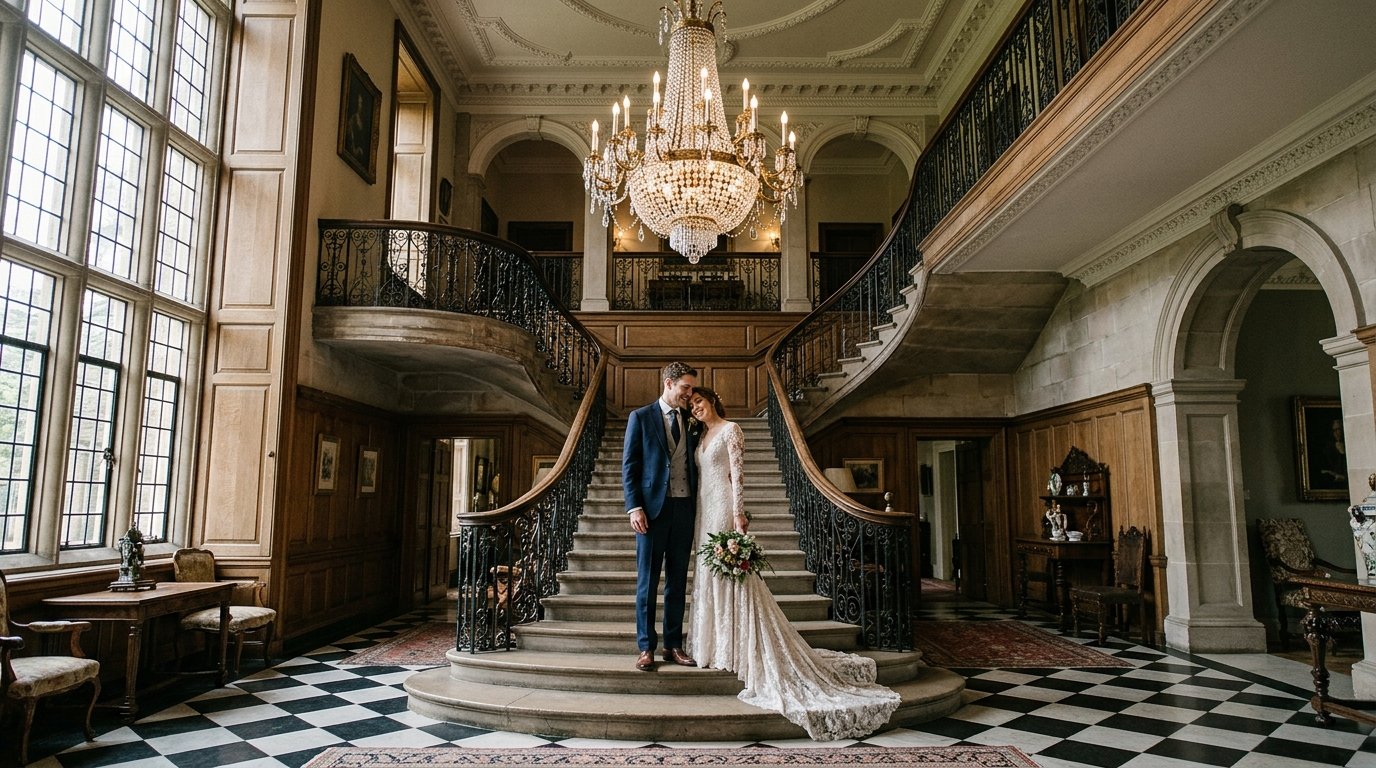
The classic exclusive use venue. A Georgian or Victorian manor house with 10-20 bedrooms, formal gardens, a sweeping staircase, and rooms with names like “the drawing room” and “the orangery.”
These work because the house was designed to be one household. Every room connects naturally. The ceremony happens in the hall, drinks in the garden, dinner in the dining room, dancing in the ballroom. Your guests are the house party.
Private estates
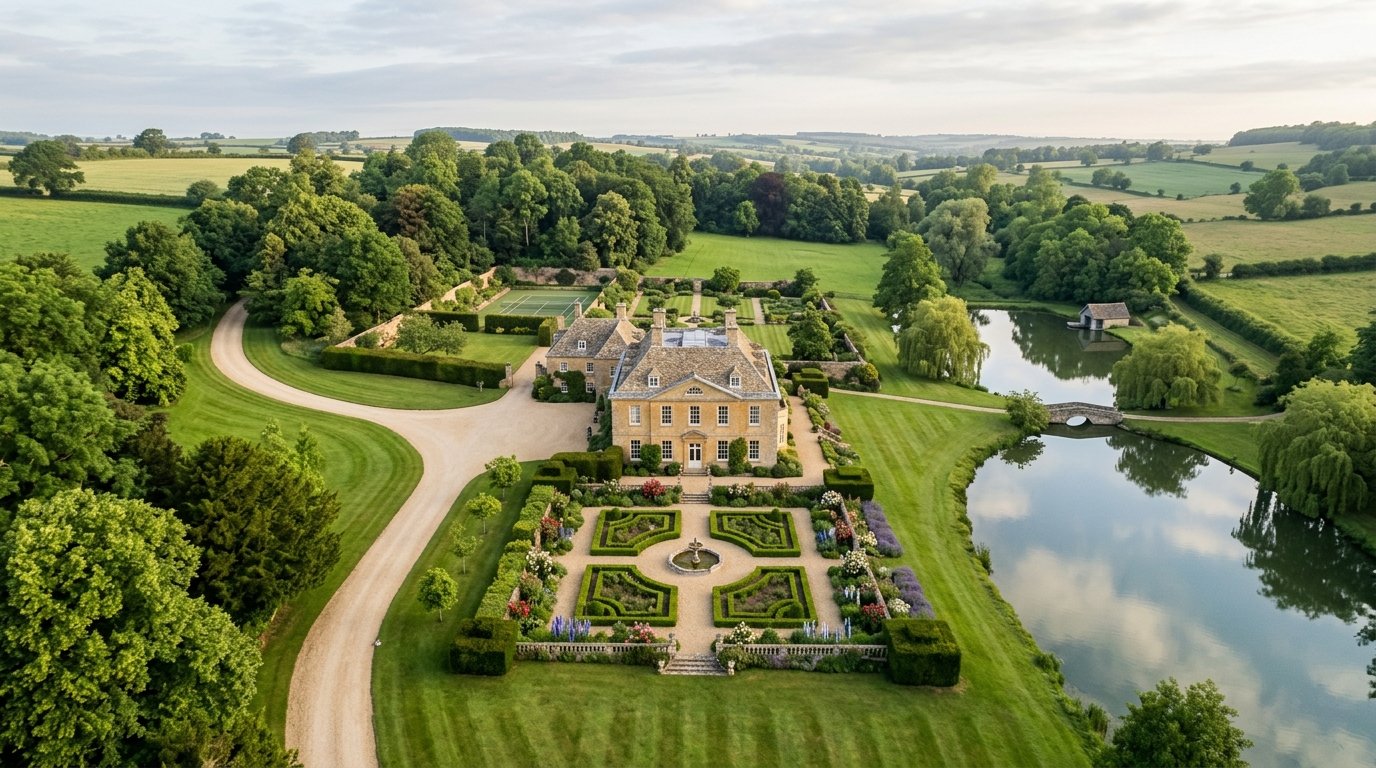
A step above a country house. Private estates include the house plus significant grounds — parkland, a lake, a walled garden, woodland, sometimes a farm. Prices start at £8,000 and go well above £25,000, but you are buying an entire landscape for your wedding.
Boutique hotels
Small hotels with under 30 rooms that block-book the entire property. The advantage is that accommodation is built in — every guest gets a room, and the hotel staff handle breakfast, housekeeping, and logistics. The disadvantage is that most boutique hotels cost more per head than a country house because you are guaranteeing room revenue.
Barns and farms
Many barn venues are exclusive use by default because they only have one event space. This makes them some of the most affordable exclusive use options. A converted barn on a working farm, with a ceremony area, reception barn, and on-site glamping or cottages, offers genuine privacy at country house prices minus the country house premium.
What you can do with the extra access
The real value of exclusive use is not just privacy. It is time and space.
The day before
Most exclusive use bookings include access from 2pm or 4pm the day before the wedding. Use this time to:
- Walk the ceremony route and check the layout
- Set up table decorations, centrepieces, and place cards
- Hang bunting, fairy lights, or personalised signage
- Do a sound check with the band or DJ
- Have a relaxed rehearsal dinner with the wedding party
- Settle into your getting-ready suite without rushing
This is impossible with standard hire, where you arrive the morning of the wedding and have 3-4 hours to transform a blank room.
The morning of
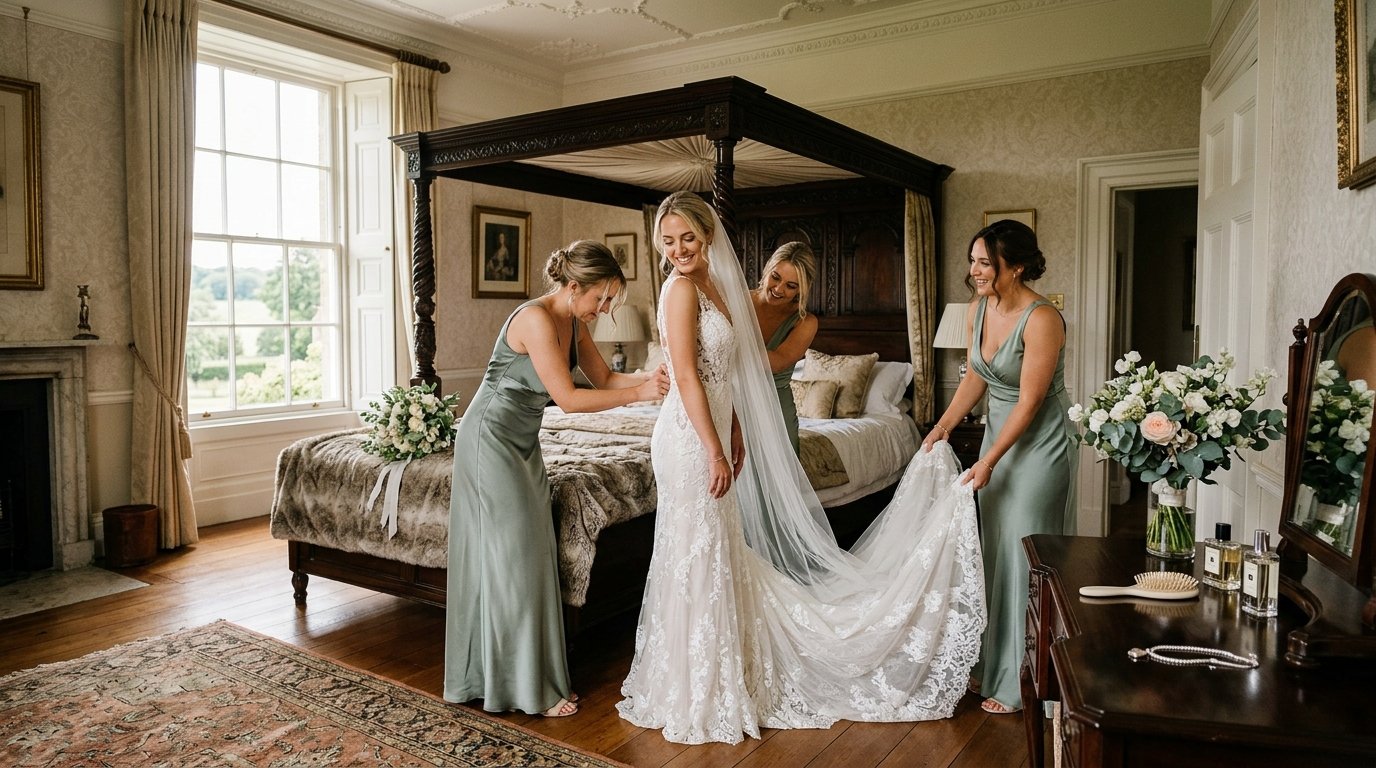
Getting ready at the venue changes the morning completely. No traffic to worry about. No cramped hotel room with five bridesmaids and a hairdresser. You spread out across the master suite, the dressing room, and the bathroom, with space for everyone.
The groom’s party can get ready in a separate wing or cottage on the grounds. The photographer can move between both groups easily. And when you are ready, the ceremony is downstairs — not a 30-minute car journey away.
The evening
Without noise restrictions from other guests, you control the evening. The band plays until midnight. The bar stays open until 1am. Guests can sit in the garden at 11pm without being asked to keep their voices down. The evening reception is the part of the wedding that people remember most, and exclusive use lets it breathe.
The morning after
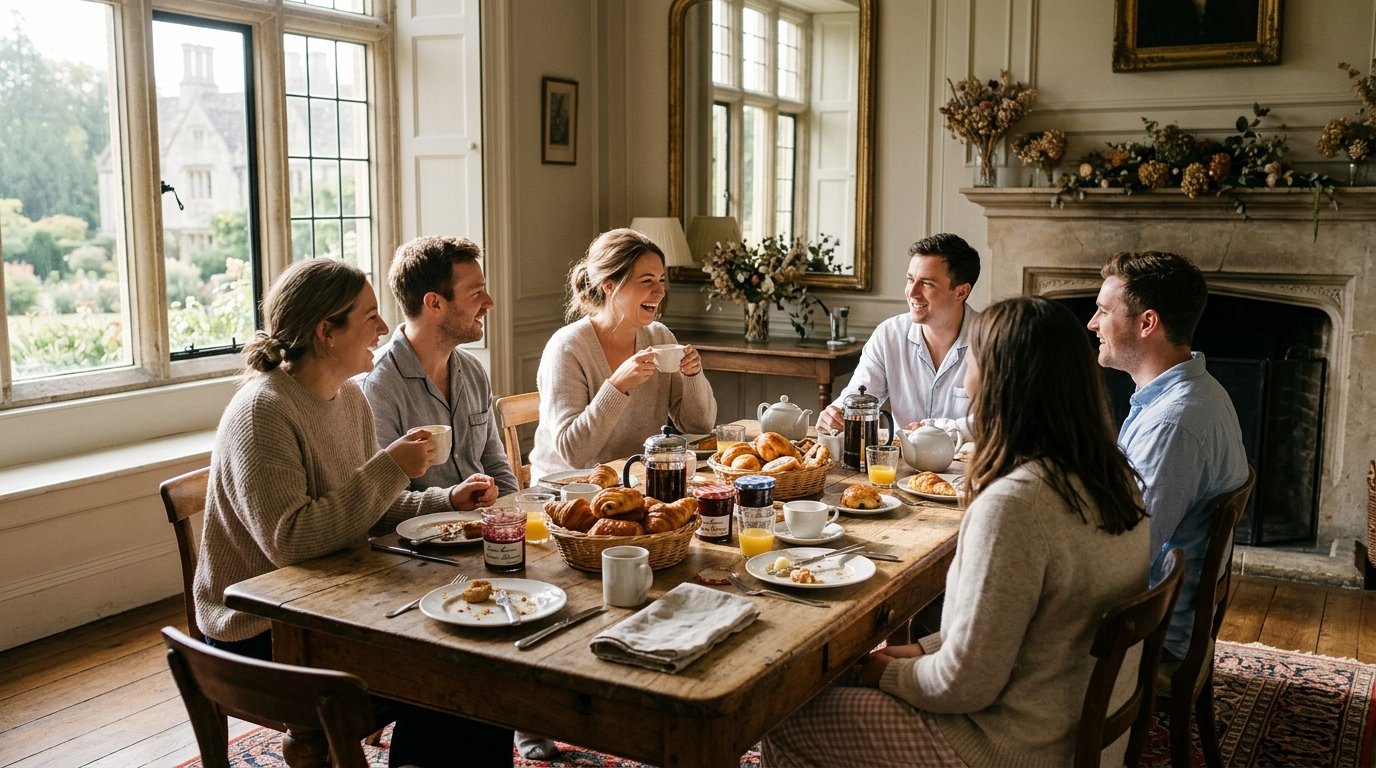
This is the hidden gem of exclusive use. The morning after the wedding, your closest guests come down for a leisurely breakfast in the same room where they were dancing six hours ago. There are no strangers. No hotel checkout queue. Just coffee, bacon, and stories about the night before.
Some venues include a brunch or barbecue as part of the exclusive use package. Others provide a continental breakfast. Either way, it extends the wedding from one day to a full weekend experience.
How to negotiate exclusive use
Some venues offer exclusive use as standard. Others will consider it if you ask the right way, at the right time.
Strategies that work:
| Approach | When to use |
|---|---|
| Book midweek | Tuesday-Thursday hire is 30-50% cheaper than Saturday, and venues are more likely to offer exclusive use because they have no other bookings to protect |
| Book off-peak | November-March weddings are cheaper and easier to negotiate |
| Guarantee accommodation | Tell the venue you will fill every bedroom. Lost room revenue is the main reason venues resist exclusive use |
| Guarantee minimum spend | Offer a food and drink minimum that matches what they would earn from multiple events |
| Book early | Venues are more flexible 18+ months out. At 6 months, they have already committed to other bookings |
| Ask about Sunday | Sunday exclusive use is cheaper than Saturday at most venues |
What not to do:
- Do not demand exclusive use as a condition of booking without being willing to pay for it. The venue loses revenue by turning away other business.
- Do not assume exclusive use is included just because the coordinator was friendly. If it is not in the contract, it is not guaranteed.
For more on negotiating with venues, see our questions to ask your wedding venue guide.
Personalisation: making the venue yours
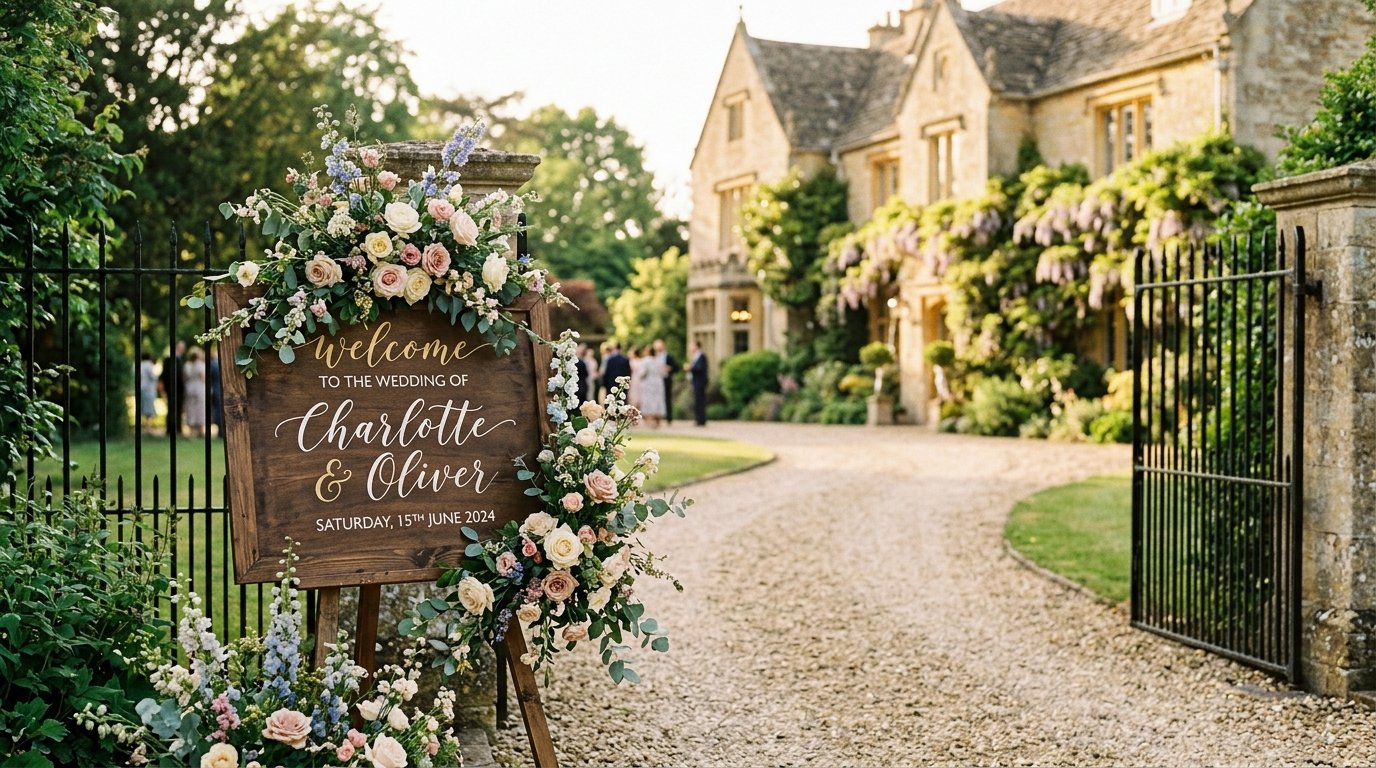
Exclusive use lets you personalise spaces that standard hire does not touch.
Ideas that only work with exclusive use:
- Welcome signs at the entrance gate — your names, your date, your design, visible from the road
- Signage throughout the house — directing guests to the bar, the ceremony room, the toilets, the photo booth
- Hallway and staircase decoration — fairy lights, greenery, framed photos of your relationship
- Bathroom details — baskets with emergency supplies, tissues, mints, and flip-flops
- Outdoor spaces — lawn games, fire pits, blankets, festoon lighting
- A late-night room — a cosy lounge with board games, cheese, and drinks for the last guests standing
You can also control practical details that standard hire restricts:
- Table layout — round, long, U-shape, whatever works for your guest count
- Bar placement — in the room, in the garden, or both
- Music volume — as loud as the speakers go (within venue structural limits)
- Food service timing — eat when you want, not when the kitchen dictates
Check our wedding themes guide for more inspiration on making a venue feel like yours.
The contract: what to check
Exclusive use contracts should specify everything in writing. Before signing, confirm:
- Exact hours of exclusive access — when can you arrive, when must you leave?
- Which spaces are included — every room, the grounds, outbuildings, parking?
- Accommodation — how many rooms, what is the rate, is the couple’s room included?
- Noise policy — is there still a curfew, even with exclusive use?
- Setup and breakdown — when can decorations go up, when must they come down?
- Catering restrictions — must you use the venue’s caterer, or can you bring your own?
- Supplier access — can your DJ, florist, and photographer access the venue the day before?
- Damage deposit — how much, when is it returned, what counts as damage?
- Cancellation terms — what happens if you cancel 12, 6, or 3 months before?
Consider wedding insurance that covers venue cancellation — exclusive use venues are harder to replace at short notice if something goes wrong.
How to decide: exclusive use vs standard hire
| Factor | Standard Hire | Exclusive Use |
|---|---|---|
| Privacy | Shared with other guests/events | Completely private |
| Setup time | Morning of the wedding | Day before |
| Noise restrictions | Usually 11pm curfew | Extended hours (midnight-1am+) |
| Getting ready | Often off-site | On-site in the master suite |
| Morning after | Leave by checkout | Leisurely breakfast included |
| Personalisation | Limited to your function room | Every space in the venue |
| Cost | Lower | 30-50% higher |
| Availability | More dates available | Fewer dates, book earlier |
| Stress level | Higher (logistics, other guests) | Lower (your space, your pace) |
If you are building a wedding budget, try pricing the same wedding at both standard and exclusive use rates. The premium might be smaller than you expect once you factor in the extras that exclusive use includes.
Frequently asked questions
What does exclusive use mean for a wedding venue?
Exclusive use means your wedding is the only event at the venue. No other guests, no hotel strangers at breakfast, no second wedding in the other function room. You have unrestricted access to every room, the grounds, and all facilities for the duration of your hire, which is typically 24-48 hours.
How much more does exclusive use cost?
Exclusive use adds 30-50% to the standard venue hire fee. A country house that charges £5,000 for a function room might charge £7,000-8,000 for exclusive use of the entire property. Some venues only offer exclusive use, so there is no standard rate to compare against.
Is exclusive use worth the extra money?
Yes, if privacy, flexibility, and a relaxed atmosphere matter to you. You can rehearse in the actual ceremony room, set up decorations the day before, play music as loud as you want without disturbing other guests, and have a morning-after breakfast without strangers. For couples who want complete control, the premium pays for itself in reduced stress.
Can I get exclusive use of a hotel?
Yes, but only at small boutique hotels with under 30 rooms. Larger hotels rarely offer exclusive use because the lost room revenue is too high. Boutique hotels with 10-20 rooms are the sweet spot — you can book every room for your guests and have the whole property to yourselves.
What should I check before booking exclusive use?
Check exactly which spaces are included, whether you get access the day before for setup, what time you must vacate, whether exclusive use includes the grounds and outbuildings, and whether there are noise restrictions despite having the whole venue. Get it all in the contract, not just a verbal promise.
Can I negotiate exclusive use at a venue that does not offer it?
Sometimes. Off-peak dates (November-March), midweek bookings, and smaller venues are most likely to agree. Offer to guarantee a minimum food and drink spend or book all the accommodation. The venue needs to see that your exclusive hire will match the revenue they would earn from multiple bookings.
How far in advance should I book an exclusive use venue?
18-24 months for peak dates (May-September Saturdays). Exclusive use venues have fewer available dates because each booking blocks the entire property. Off-peak and midweek dates may be available at 6-12 months. Some popular estates book 2-3 years ahead for summer weekends.