The Double Honeymoon: Why UK Couples Split Their Trip
Key Takeaways
- 11% of UK couples in 2026 plan two separate honeymoon trips rather than one combined trip
- The most common split is a mini-moon immediately after the wedding (3-5 days) plus a longer trip 3-6 months later
- The immediate mini-moon is typically European or UK-based: costs range from £600 to £2,200 per couple
- The deferred long-haul trip is typically Maldives, Southeast Asia, or Caribbean: costs range from £4,000 to £9,000
- Main driver: couples are too exhausted immediately post-wedding to fully enjoy a two-week international trip
- Secondary driver: work leave constraints — two shorter blocks of annual leave are easier to take than two consecutive weeks
Why the double honeymoon format has grown
The concept of a honeymoon immediately after the wedding is a Victorian convention tied to the practical need to escape the family home. For most of the 20th century, the honeymoon followed directly from the reception. Travel was the escape. The honeymoon was often the first time a couple had been truly alone together.
That context has dissolved. Most UK couples in 2026 have lived together before marriage, have travelled extensively, and arrive at their wedding having been in a relationship — and often cohabiting — for three to seven years. The immediate-post-wedding trip is no longer their first time alone together.
What remains is the exhaustion problem. Planning a wedding for 12-18 months, executing the day itself, and then attempting to recover on a beach in the Maldives in the week after has a well-documented failure mode: couples who spent £6,000 on a long-haul trip and spent the first four days sleeping and eating buffet breakfast.
“We got to the Maldives and I spent two days crying from exhaustion,” said one bride, speaking with Weddings Hub in March 2026. “It was beautiful. We were fine. But I’d been so anxious for so long that I couldn’t switch off. We’d have been better with a weekend in the Cotswolds first, then the Maldives in March.”
The double honeymoon structures around this reality: a gentle, close-to-home trip immediately after the wedding; a meaningful, properly enjoyed trip once the dust has settled.
What the first trip looks like
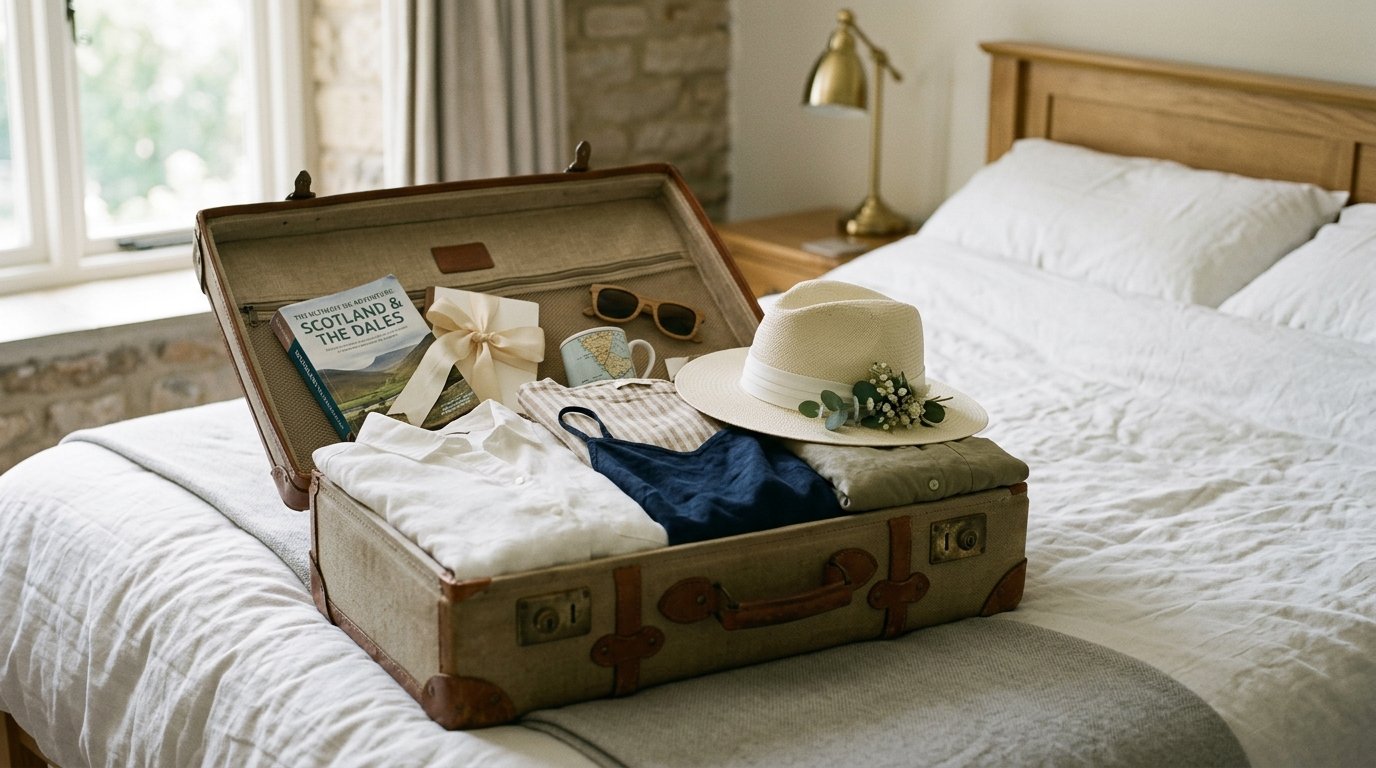
The immediate post-wedding mini-moon has a clear profile among couples who structure it this way.
Duration: 3-5 nights. Long enough to feel like a proper break; short enough to require minimal advance planning and a modest leave block.
Distance: Close. 3-4 hours from home at most. No long-haul flights, no jet lag, no 6am airport transfers on day three of marriage.
Tone: Rest. This trip is not sightseeing, not adventure travel, not culture immersion. It is food, sleep, scenery, and quiet. The best mini-moons have good restaurants, good beds, and not much of an agenda.
UK mini-moon options:
The Cotswolds gives a strong weekend break infrastructure: country house hotels, Michelin-recommended restaurants, walking routes. Costs for 3 nights at a good country house hotel: £900-£1,600 per couple including dinner.
Cornwall gives coast, seafood, and walking. Summer costs for 4 nights in a self-catering cottage: £1,100-£2,400. Off-season (September-October): £650-£1,100.
Edinburgh gives city culture, good restaurants, and proximity to the Highlands if the couple wants to extend. Costs for 4 nights at a quality city-centre hotel: £700-£1,400.
The Lake District gives landscape and excellent walking-oriented accommodation. Costs: £750-£1,500 for 3-4 nights at a good inn or hotel.
European mini-moon options (short-haul flights):
Paris — 2 hours 15 minutes from London by Eurostar. 4 nights at a good hotel: £1,400-£2,400 per couple.
Lisbon — 2.5-hour flight. 4 nights with flights: £900-£1,800 per couple.
Amsterdam — 1 hour by air or 4 hours by Eurostar and connecting rail. 3 nights: £700-£1,300 per couple.
Dubrovnik — 2.5-hour flight. 4 nights in old town: £1,100-£2,200 per couple. Significant seasonal premium in July-August.
What the second trip looks like
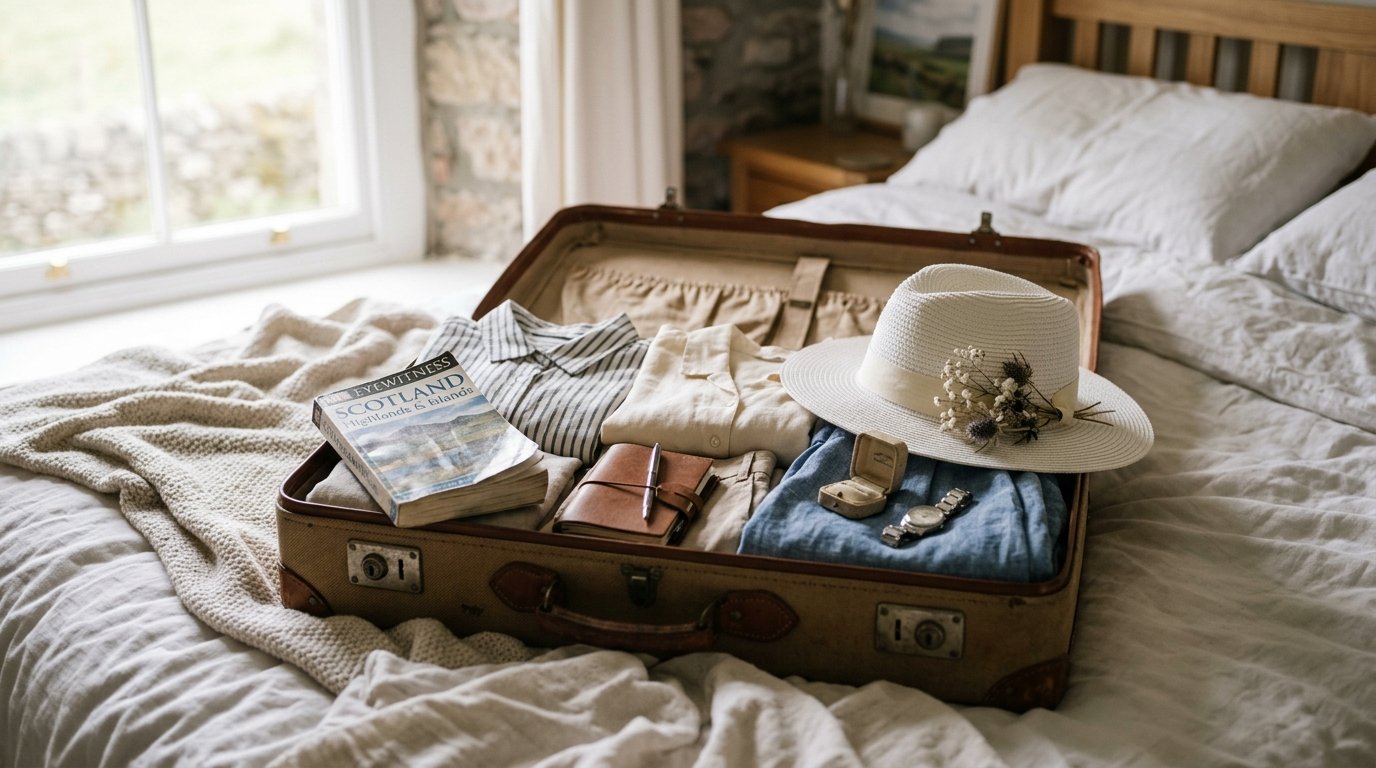
The deferred main honeymoon, taken 3-6 months after the wedding, is typically longer, further, and more ambitious. The couple is rested, financially recovered from the wedding bills, and able to appreciate the trip properly.
Duration: 10-17 nights. Long enough to justify a long-haul flight and genuinely immerse in a destination.
Distance: The trip the couple really wanted, not a compromise. Maldives, Sri Lanka, Japan, Vietnam, Mexico, Bali, the Seychelles, Amalfi Coast extended, or USA.
Tone: The full honeymoon experience. The trip that will be the answer when anyone asks where they honeymooned.
Booking approach: Book this trip before the wedding. The 3-6 month post-wedding window covers January-March if the wedding is in summer — prime booking time for the following year’s high season at popular long-haul destinations. Booking before the wedding also allows the trip to be listed on gift lists or funded through cash gifts.
Costs:
- Maldives (10 nights, overwater bungalow): £5,500-£9,000 per couple
- Sri Lanka (12 nights): £3,800-£6,200 per couple
- Japan (14 nights): £4,500-£7,500 per couple
- Bali (12 nights): £3,200-£5,800 per couple
- Mexico (Riviera Maya, 10 nights): £3,500-£6,000 per couple
A real example: Hannah and Rob, 2024
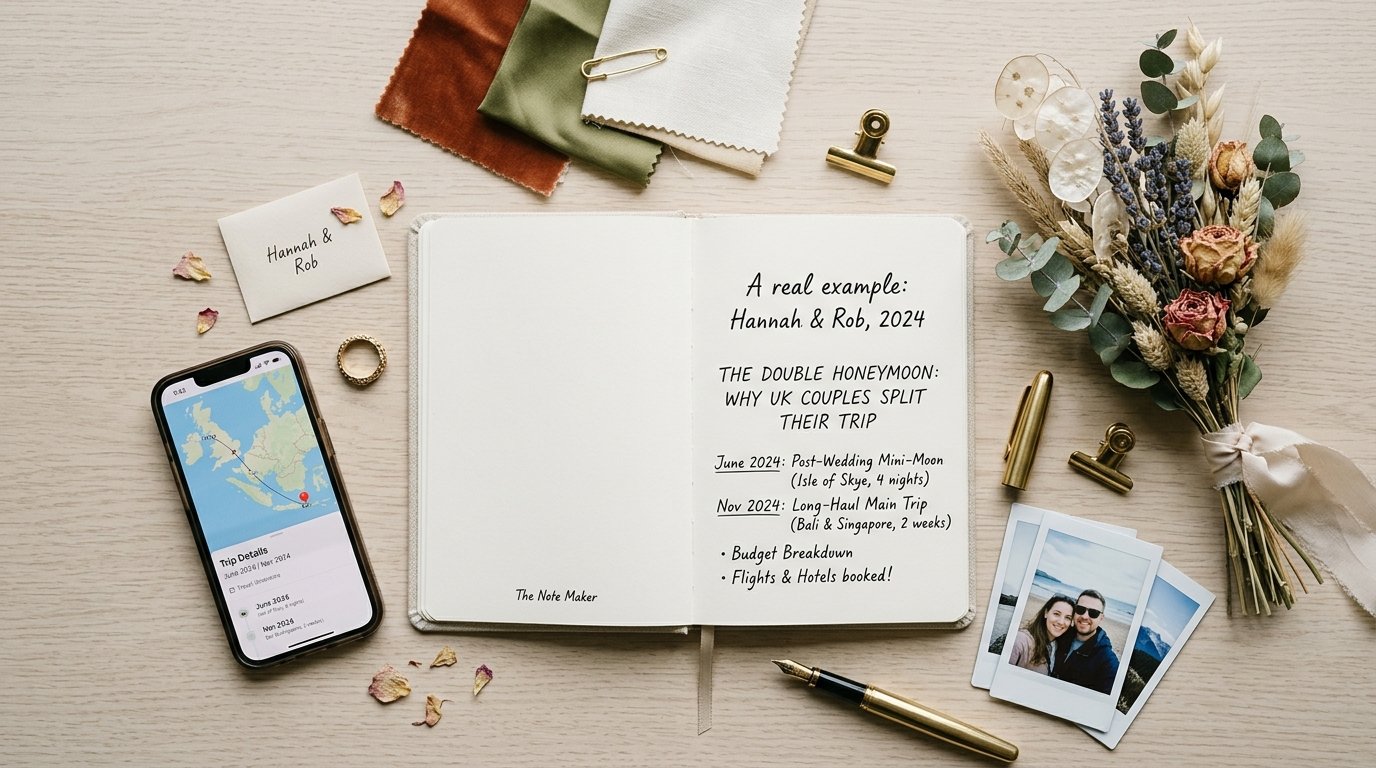
Hannah (30) and Rob (33) married in July 2024. They took 4 nights in the Cotswolds immediately after the wedding, then flew to Sri Lanka in November 2024 for 14 nights.
“Honestly, the Cotswolds mini-moon saved us. We arrived at the hotel on the Sunday night and just collapsed. We slept 10 hours. We ate good food. We walked. By Wednesday we were actually us again. If we’d got on a long-haul flight on Sunday, I think we’d have argued the whole first week in Sri Lanka.”
They booked the Sri Lanka trip in February 2024 — five months before the wedding. “It gave us something to look forward to when the planning got stressful. October, November, December — we just kept saying ‘Sri Lanka in November.’ It got us through.”
Sri Lanka cost £5,400 for 14 nights including flights, accommodation, and internal transport. The mini-moon cost £1,100 for 4 nights at a Chipping Norton hotel. Total honeymoon spend: £6,500.
A comparable single two-week trip to Sri Lanka immediately after the wedding would have cost £5,200-£5,800 — roughly the same total, but with the timing issue unresolved.
The leave problem: how couples solve it
The main structural obstacle to a double honeymoon is annual leave. Taking two separate blocks of holiday (3-5 days in the summer after the wedding, then 10-14 days in January-March) requires more leave entitlement and more planning than a single two-week trip.
Couples who make it work:
Timing the wedding strategically. A late September or October wedding means the immediate mini-moon uses September bank holiday area leave. The deferred trip uses January or February — low-competition months at most workplaces.
Using Christmas leave. The deferred trip in December-January uses built-in office closure periods and requires minimal actual annual leave days.
Self-employment or flexible employment. Freelancers, business owners, and anyone in flexible employment face fewer constraints. A Tuesday-Thursday mini-moon followed by a January trip requires minimal negotiation.
Communicating early. Couples who tell their employers about the deferred trip at the same time as they notify about the post-wedding leave are more likely to get both approved without conflict.
Related reading
- Buddymoons, Ecomoons & Volunteermoons: The New UK Honeymoon Stack
- Weekday Weddings UK: The Real Cost Saving
- Multi-Day Weddings: 3-Day Wedding Weekends Explained
- 59% of US Couples Delay Buying a Home for Their Wedding
- Average UK Wedding Cost 2026: two reports compared
Frequently asked questions
What is a double honeymoon?
A double honeymoon is two separate post-wedding trips rather than one. The most common format is a short trip (3-5 nights) immediately after the wedding, followed by a longer trip 3-6 months later. The shorter first trip is often called a mini-moon. The concept recognises that many couples are too tired immediately after their wedding to fully enjoy an international trip.
How much does a double honeymoon cost?
A mini-moon immediately post-wedding typically costs £600-£2,200 per couple (European city break or UK coastal stay). The deferred main honeymoon costs £4,000-£9,000 for a long-haul destination. Total double honeymoon budget: £4,600-£11,200. This is comparable to a single two-week long-haul honeymoon, which averages £5,500-£12,000 for UK couples.
When should the second honeymoon trip happen?
Most couples who split their honeymoon take the second trip 3-6 months after the wedding. This gives time to recover financially (wedding bills often arrive in the month after), accrue annual leave, and book the longer trip with adequate notice for better rates. Some couples wait up to 12 months for the second trip, particularly if booking a Maldives or Bali trip for the next high season.
Is a mini-moon the same as the first half of a double honeymoon?
Not exactly. A mini-moon (a short trip immediately post-wedding) is sometimes the only honeymoon a couple takes. A double honeymoon specifically uses the mini-moon as part one of a deliberate two-trip structure, with a second trip planned and booked before the wedding. The distinction matters for planning: a double honeymoon requires both trips to be booked proactively, not as an afterthought.
What are the best UK mini-moon destinations for the immediate post-wedding trip?
The most popular UK mini-moon destinations in 2026 are the Cotswolds, Cornwall, the Lake District, Edinburgh, and the South Downs. European mini-moon destinations most popular with UK couples are Paris, Amsterdam, Lisbon, and Dubrovnik — all reachable in under three hours by air. Couples who want a luxury short-break within the UK typically budget £1,200-£2,200 for 3-4 nights including accommodation and dining.
Can the double honeymoon save money compared with one long trip?
Sometimes. Splitting the trip separates the costs into two time periods, which can be easier to manage against a post-wedding budget. However, two trips involve two sets of flights, two sets of accommodation check-ins, and twice the travel logistics. Total cost is rarely less than a single equivalent trip. The double honeymoon is primarily a structure and experience decision, not a budget optimisation.
What if work makes it difficult to take two separate sets of leave?
This is the main constraint couples encounter. The mini-moon solves it partially — 3-4 days immediately post-wedding requires only a short leave block. The deferred trip requires careful negotiation of annual leave. Couples with significant leave entitlements, or who are self-employed, find the format easier. For couples with limited or inflexible annual leave, the single long trip remains the more practical option.