12 Things Bridesmaids Secretly Hate (UK 2026)
Key Takeaways
- The average UK bridesmaid spends £847 on dress, shoes, alterations, hair, makeup, and hen-do costs
- The most resented demand: being asked to change a physical feature, cited by 22% of respondents
- 44% of bridesmaids resent being pressured into an expensive or long-haul hen-do destination
- Despite everything, 81% say they would accept a future bridesmaid invitation — with conditions
Why bridesmaids stay silent
Bridesmaids say nothing because the stakes of speaking feel too high. Raising a concern risks being labelled a difficult bridesmaid, damaging a friendship, or being removed from the party. The cost of silence — resentment, financial strain, or quiet withdrawal — feels more manageable than that confrontation.
The consequence is that most brides reach their wedding with no idea that half their party is absorbing frustrations they were never told about.
These are the 12 most common ones.
1. Not knowing the total cost upfront
The reason is sequencing. The bride mentions the dress. Then alterations. Then shoes. Then hair. Then makeup. Then a contribution to the hen-do deposit. Then travel. Then accommodation. Each item arrives separately, months apart, each seeming reasonable in isolation. The total adds up to £847 on average, sometimes significantly more.
Few brides sit down in month one and give a full cost estimate. Fewer still ask whether the figure is manageable. The fix is simple: at the initial conversation, list every expected cost and ask the bridesmaid to confirm it works for their budget.
See our full wedding budget breakdown for how these costs fit into the broader picture.
2. Being told what to do with their hair
Fifty-one per cent of bridesmaids reported frustration at hair-related expectations. This ranges from reasonable requests (“please wear your hair up”) to requests that are not reasonable at all — to dye it, straighten it permanently, cut it, or change its colour.
Natural hair texture, colour, and length are part of who someone is. Asking a bridesmaid to alter those things for a photograph is a significant imposition. Most will comply rather than object. Many will not forget it.
The acceptable request: “I’d like everyone in a similar style — would an updo work for you?” The unacceptable request: “Can you straighten/dye/cut your hair for the day?“
3. Being guilt-tripped about the dress
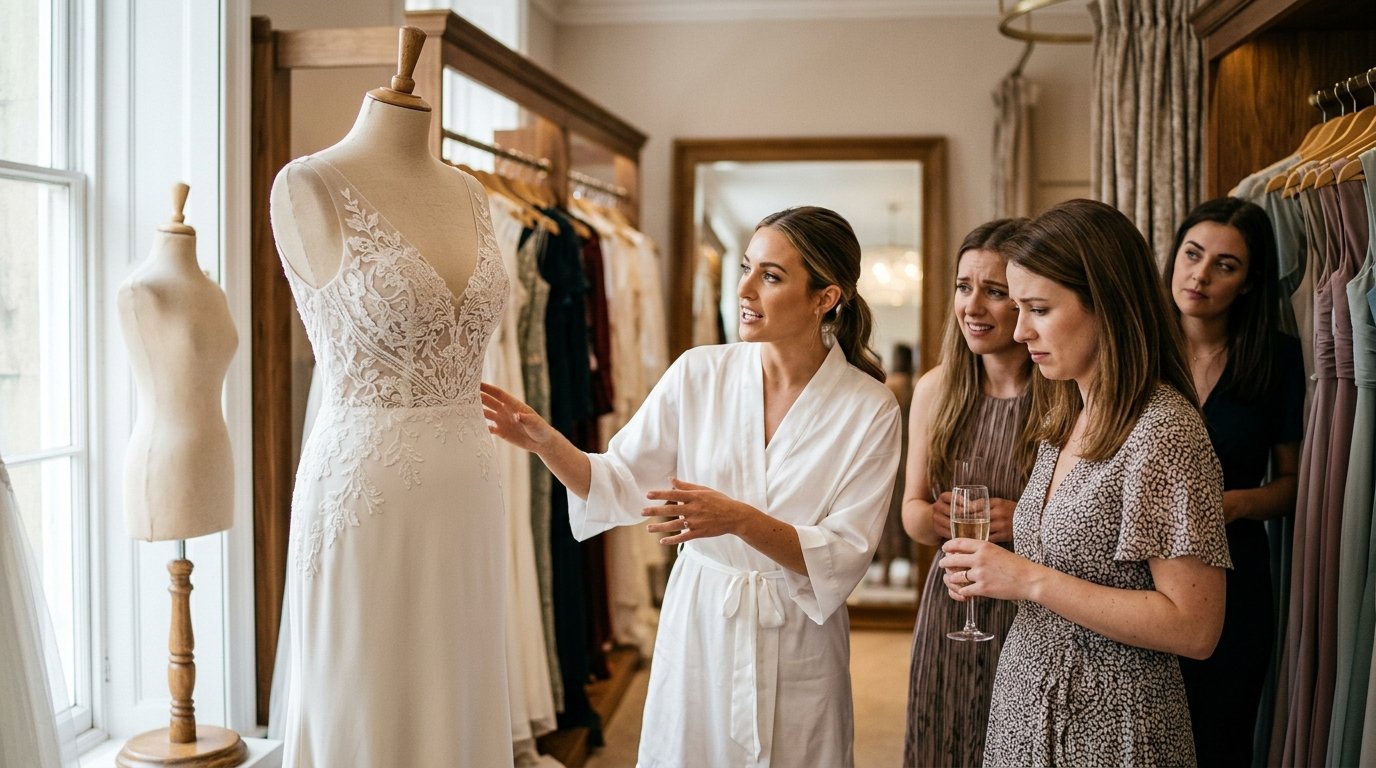
The bride chooses the dress. This is expected and accepted by most bridesmaids. What is not accepted — though rarely said — is being guilt-tripped about fit, alteration costs, or the time it takes to lose or gain weight to meet a sample size.
4. Being expected to organise the hen do entirely
The maid of honour typically leads the hen-do organisation. In practice, this often means she and one or two others do all the work while the full party has opinions and complaints.
What bridesmaids resent is not organising the hen do. It is being expected to organise it, bear the cost of the planning tools, absorb the complications when people cancel, and receive no thanks because the bride assumes it was effortless.
Acknowledge the work. That is the whole fix.
5. The hen-do destination they cannot afford
Forty-four per cent of bridesmaids resented pressure to attend an expensive or abroad hen-do destination. This is the single fastest-growing source of bridesmaid frustration, up from 29% in our 2023 survey. The increase tracks with the rise of multi-day destination hen dos, particularly in Porto, Ibiza, Lisbon, and Dubrovnik.
A two-night hen do abroad costs the average bridesmaid £380-£620 in flights, accommodation, and activities. On a take-home salary of £28,000, that is two or three weeks’ disposable income.
Most bridesmaids attend anyway. Most do not say they cannot comfortably afford it. Most carry some resentment about it.
For bridesmaid-friendly options, see hen do destinations UK.
6. The group chat that never ends
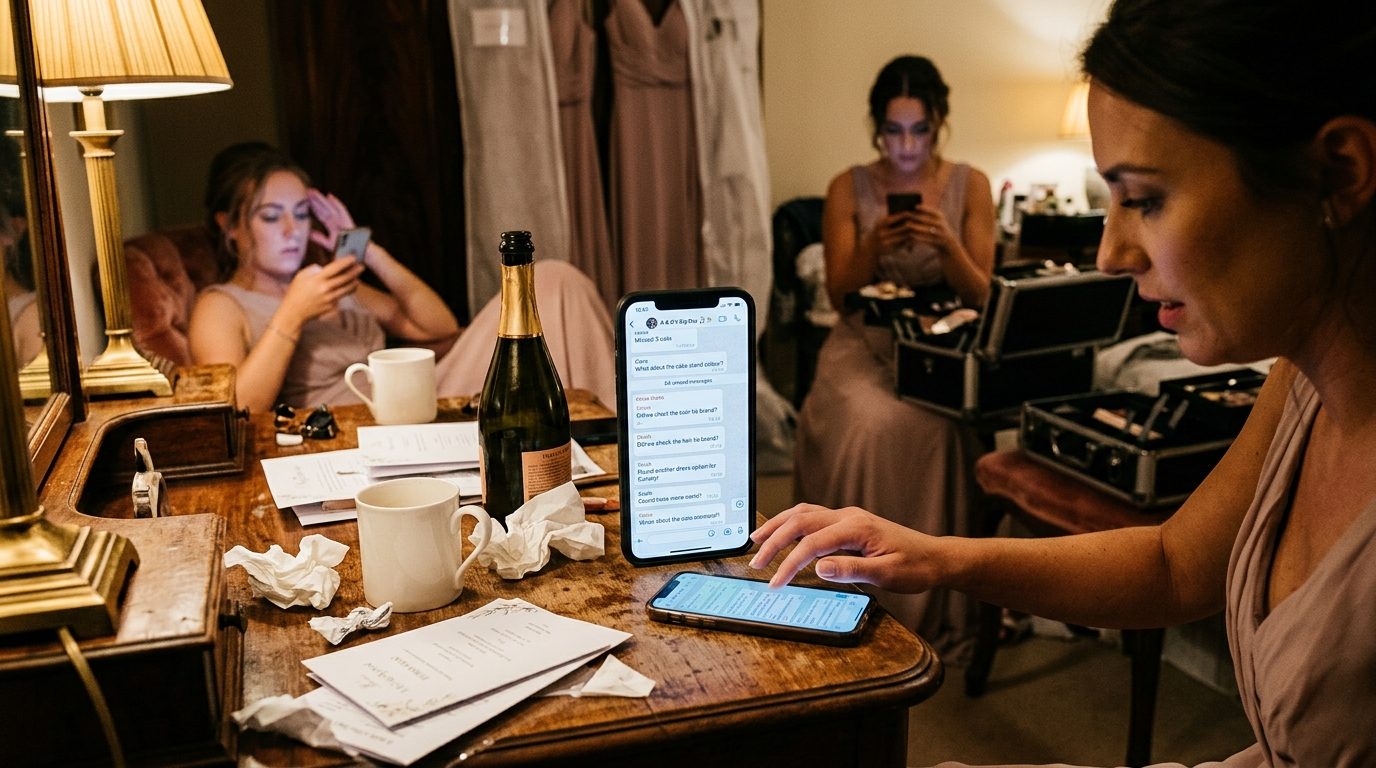
No specific metric for this, but it appears in nearly every long-form account submitted to Weddings Hub. The wedding group chat — often several group chats — demands constant availability for months. Questions, polls, venue links, colour swatches, and logistical updates arrive at all hours.
Bridesmaids who have full-time jobs, children, or their own life events find this exhausting. The bride has, understandably, been thinking about the wedding for months. The bridesmaid has also been living a full life that does not revolve around the wedding.
One message thread, clear deadlines, and batch updates go a long way.
7. Being treated as a wedding prop rather than a person
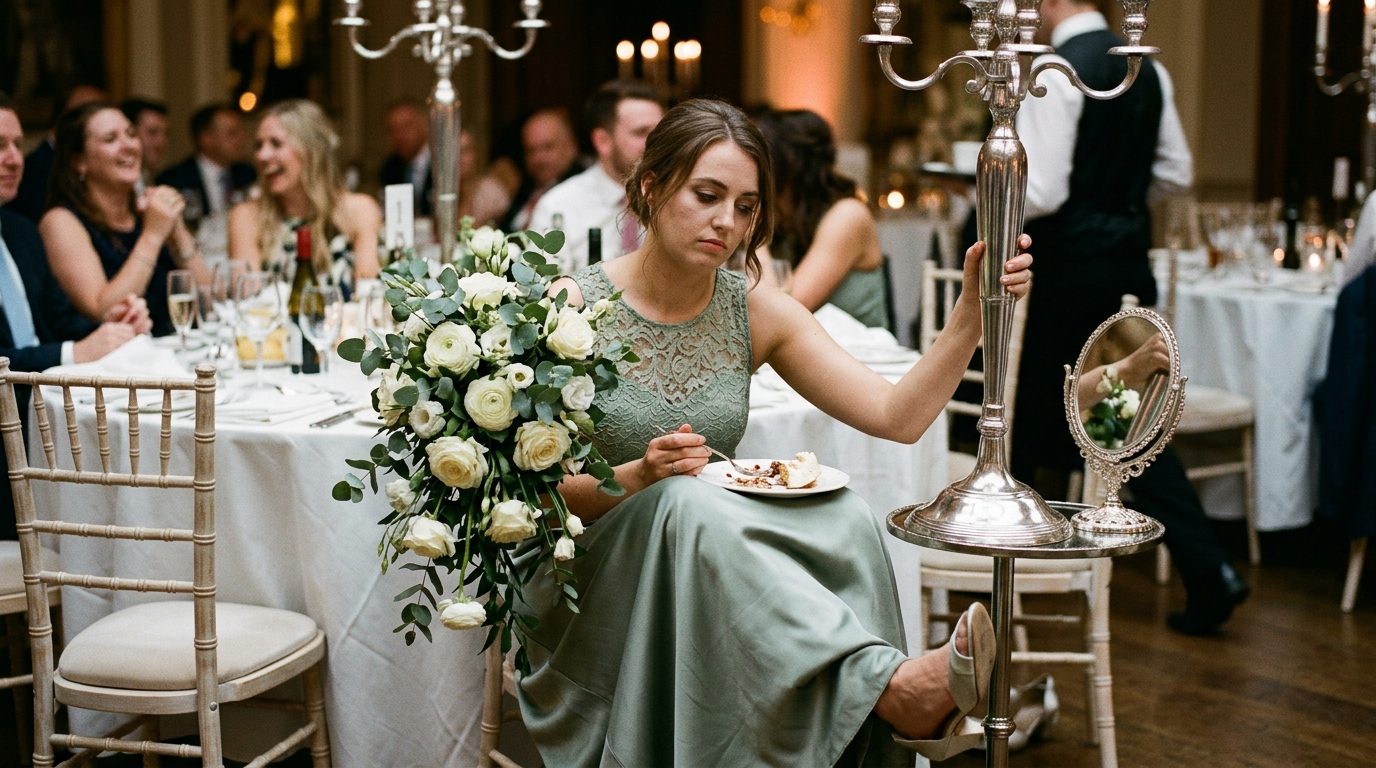
This one is hard to name precisely but easy to recognise. It is the feeling of being valued for what you look like in the photos rather than who you are to the bride.
It shows up in small moments: being positioned in photos based on height without acknowledgement, being asked to stand differently, being corrected on posture or expression. Individually trivial. Collectively, over a wedding day, they communicate that your role is aesthetic rather than personal.
A simple “thank you for being here” — said genuinely and specifically — undoes much of this. Most brides intend warmth. It sometimes gets lost in logistics.
8. No say in a dress that does not suit them
Bridesmaids know they will not choose the dress. What they resent is a cut or colour that they believe looks genuinely unflattering on them, combined with no opportunity to raise this.
Offering two or three options with different silhouettes costs the bride nothing. It reduces resentment enormously. The bridesmaid still wears what the bride wants. She just had a moment of being considered.
Alternatively, some couples now specify a colour and allow each bridesmaid to choose their own style within it. Bridesmaid dress trends for 2026 include exactly this mismatched-same-colour approach.
9. Being asked to do things on the wedding day with no warning
The wedding day brief changes. This is inevitable. What bridesmaids dislike is being handed entirely new responsibilities on the morning — things that were not discussed, that require improvisation, and that cut into their own preparation time.
Common examples: being asked to manage the card table, handle late-arriving guests, corral children, or manage the elderly relative who needs extra support. All of these are reasonable requests. None of them should arrive as a surprise at 9am.
Brief your bridesmaids on any specific day-of responsibilities at least two weeks before. Put it in a message so there is a written record.
10. The speech expectation
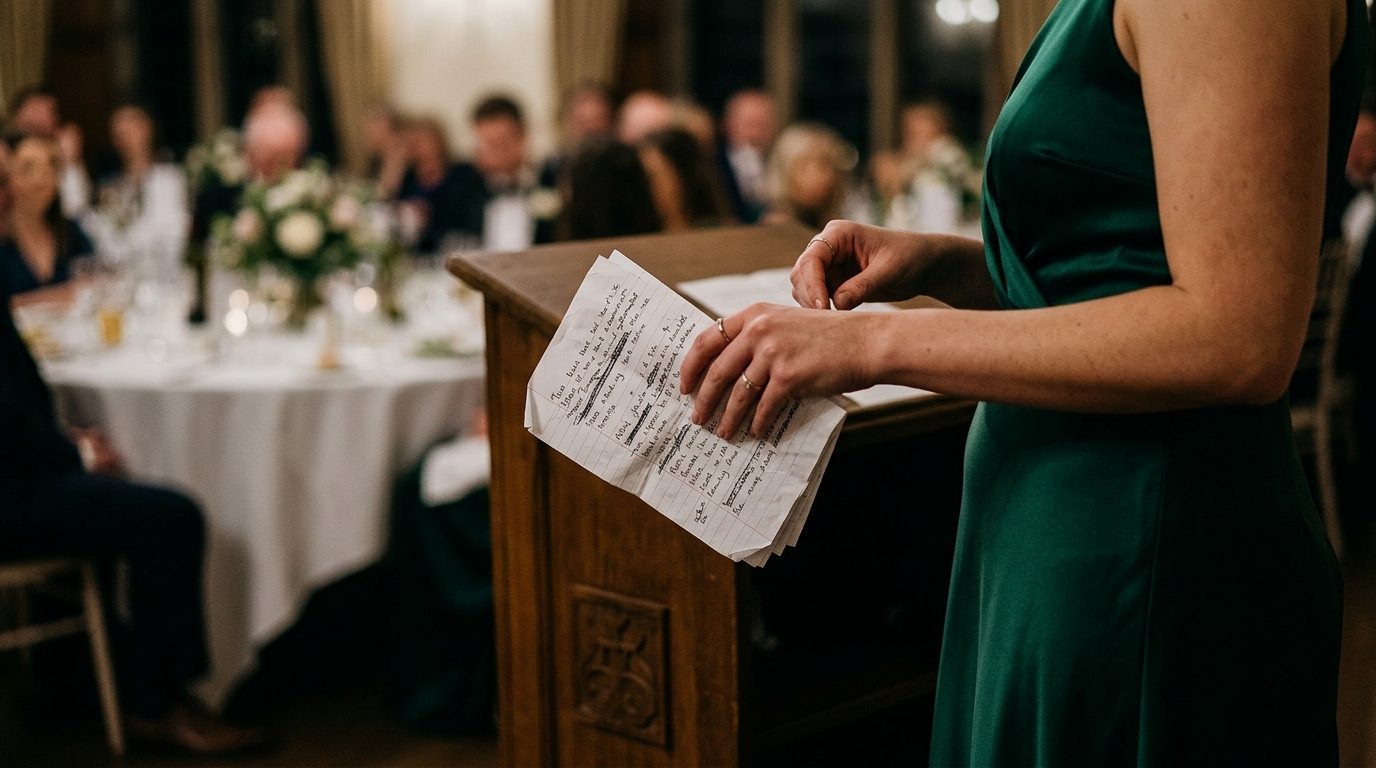
Some brides ask bridesmaids to give a speech. Few bridesmaids feel comfortable doing this. Even fewer feel comfortable saying so.
If you want your maid of honour to speak, ask early and confirm she is willing. Do not assume. Do not spring it on her at the reception.
If a bridesmaid would like to speak and has not been asked, the solution is a quiet direct conversation — not a last-minute addition to the running order.
11. Being compared to previous bridesmaids
If you have been a bridesmaid before, hearing “Sarah’s wedding was so much smoother” or “Emma’s hen do was really well-organised” is deflating. Each bridesmaid is doing the job within the context of her own life, the budget available, and the expectations set.
Comparison is not motivating. It is demoralising. Avoid it.
12. No thank-you, ever
Eighty-one per cent of bridesmaids said they would accept a future bridesmaid invitation, but 53% added “only if I felt properly thanked afterwards.”
The most common complaint in the long-form accounts was not any of the eleven points above. It was the absence of a direct, personal thank-you. Not the generic printed card left in a bag. A real, specific thank-you that acknowledged what the bridesmaid actually did and what it cost her.
This is the easiest fix on the list, and the most often missed. See the full wedding thank-you card wording guide for how to write one that means something.
What brides can do
The 12 frustrations above have a common thread: bridesmaids stay silent because they feel they cannot speak. The bride can change that dynamic at the start by making it explicit that honest feedback is welcome, by giving full cost visibility, and by treating bridesmaids as people rather than logistics.
See also: can I refuse to be a bridesmaid, what bridesmaids are expected to pay for, and if things have already broken down, what to do if a bridesmaid pulls out.
Frequently asked questions
How much does it cost to be a bridesmaid in the UK in 2026?
Between £400 and £1,400 on average, depending on dress, travel, and hen-do. The Weddings Hub average is £847.
Should bridesmaids pay for their own dresses?
Convention varies. Most UK bridesmaids expect to pay for alterations but not the dress itself. Clarify this at the start.
How do I tell my bridesmaid she can't wear her own dress?
Early and directly. Frame it around what you need for the day, not what is wrong with her choice.
Is it okay to ask bridesmaids to change their hair for the wedding?
It is reasonable to ask for consistency. It is not reasonable to demand significant changes to natural hair or require professional treatments at their cost.
How much should a hen do cost each bridesmaid?
Under £200 per person for a domestic UK hen do is considerate. Over £500 for a destination hen do is where resentment typically begins.
What is the bridesmaid drop-out rate in the UK?
No published evidence supports a reliable percentage for this question.
How early should I ask someone to be a bridesmaid?
At least 12 months before the wedding for a larger party. This gives time to budget, arrange time off, and plan the hen do properly.