8 Questions to Ask Before You Agree to Be a Bridesmaid
Key Takeaways
- The average UK bridesmaid spends £847 on dress, accessories, hen do, and gifts — most are not told this upfront
- 43% of bridesmaid fallouts happen because expectations were never discussed at the start
- The two questions most bridesmaids never ask: who pays for what, and how much time is expected
- Asking these questions before saying yes does not make you a bad friend — it makes you a reliable one
Why these questions matter before you say yes
None of this is a reason to say no. But all of it is a reason to ask.
Question 1: What will I need to pay for?
The single most important question, and the one most bridesmaids never ask directly.
The average total comes to £847. The range runs from £300 (simple UK hen do, budget dress, no professional hair) to over £2,000 (destination hen do, designer dress, full bridal party hair and makeup).
Ask the bride directly: “What will I need to cover myself?” Then ask a follow-up: “Is there anything else that might come up that I should budget for?”
If the numbers do not work for you, say so now. The conversation is far easier at the start than after the dress has been ordered. Most brides would rather adjust their plans than lose a friend to a cost dispute. As covered in the can I refuse to be a bridesmaid guide, stepping back early is far less damaging than stepping back at 8 weeks out.
Question 2: How much of my time will this take?
“Not much” is not an answer. Push for specifics.
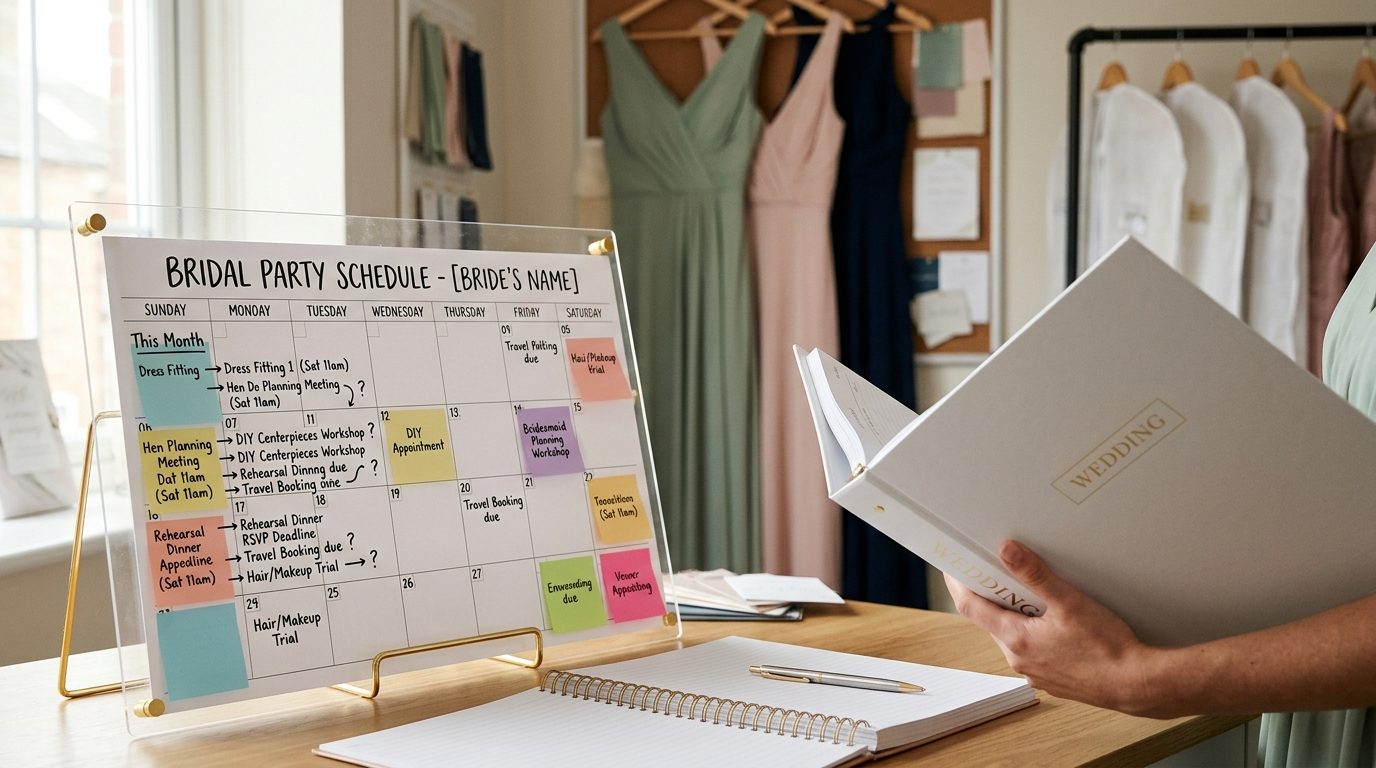
Will there be an engagement party? A bridal shower? A dress fitting (or two, or three)? An engagement shoot? Rehearsal dinner? Rehearsal day? Plus the hen do itself, which may be a full weekend away.
In the 6 months before the wedding, a typical UK bridesmaid role involves 10-15 separate events or tasks of more than an hour each. Ask for a list. If there are things on that list you cannot commit to — because of work, childcare, or finances — say so now.
“I would love to be part of your day. I need to be honest that I cannot do [specific thing]. Does that still work?” is a conversation the bride can have. “I’m sorry, I’ve realized I can’t do any of this” six weeks before the wedding is a crisis.
Question 3: What kind of wedding is this going to be?
This sounds like a casual question. It is not.
A 40-guest minimalist ceremony in a barn followed by a relaxed supper is a completely different bridesmaid role from a 200-guest black-tie ballroom wedding with a sit-down seven-course meal and a choreographed first dance. The dresses are different. The formality is different. The time at the venue on the day is different. Your expected role in managing the day is different.
Ask the bride to describe, in her own words, the wedding she is planning. Not the theme or the aesthetic — those can change. But the shape of it: big or small, formal or relaxed, what kind of day she wants. That answer tells you what kind of bridesmaid you will need to be.
Question 4: Who else is in the wedding party?
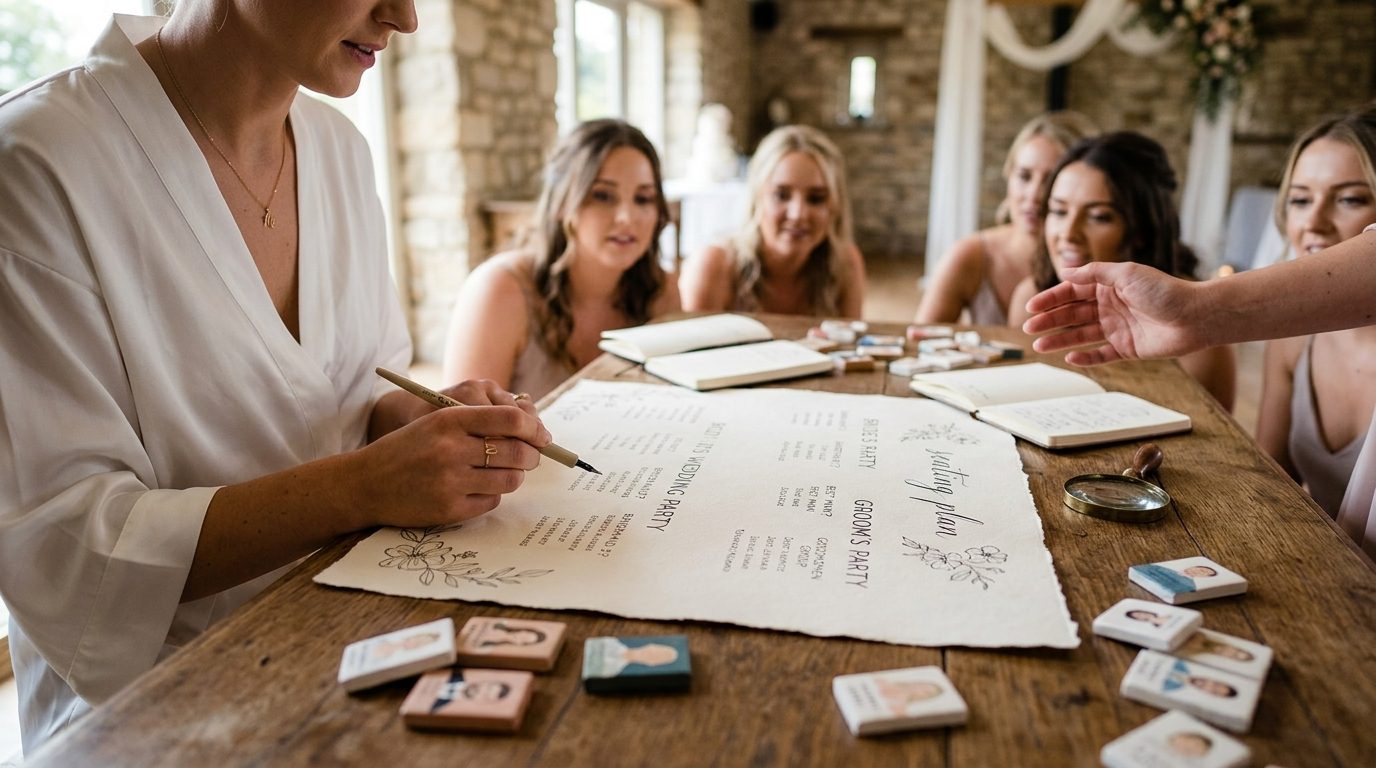
You are not just agreeing to work with the bride. You are agreeing to work with every other person in that bridal party.
If one of the other bridesmaids is someone you have had a serious falling-out with, that is information you need before you agree. If the maid of honour is someone who is known to be difficult to coordinate with, that matters. If there is a family member in the party who the bride is under pressure to include despite tension with the rest of the group — you will feel the effects of that tension.
Ask who else is in the party. “I’m so excited — who else are you asking?” is a completely natural question. The answer will tell you a great deal.
Question 5: What do you need from me specifically?
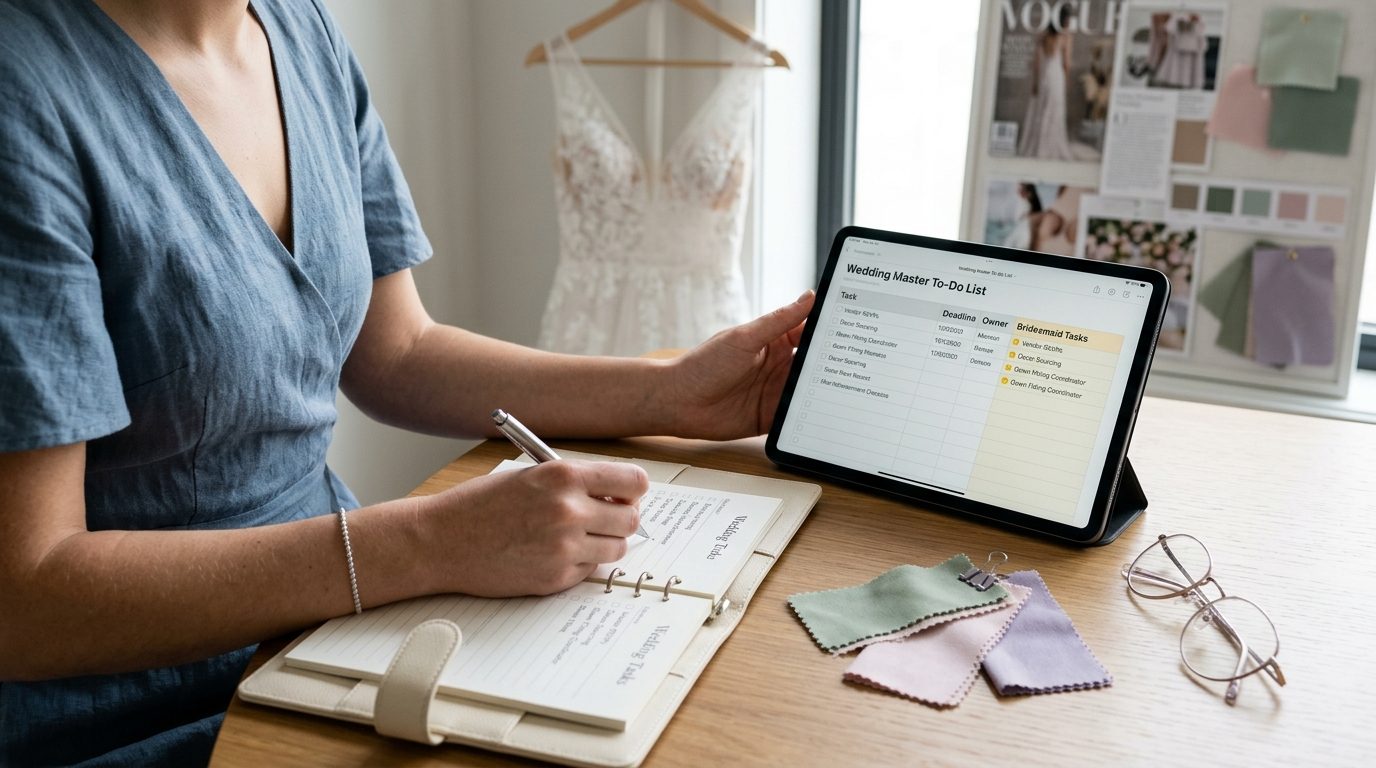
Bridesmaid roles vary wildly. Some brides want a sounding board, someone to look at venue options with and help manage supplier emails. Others want someone to be present at every fitting, help address 200 envelopes, and coordinate the whole hen-do logistics from scratch.
Others — and this is more common than it sounds — want someone to be there on the day, look beautiful in the dress, and otherwise largely stay out of the planning. That is also a completely valid version of the role.
Ask the bride directly: “What would actually be most helpful to you?” Some brides find this question a relief. Others have a detailed list already prepared. Either way, you are both better off knowing.
Question 6: What are the dress and styling expectations?
Before you agree, know what you are agreeing to wear.
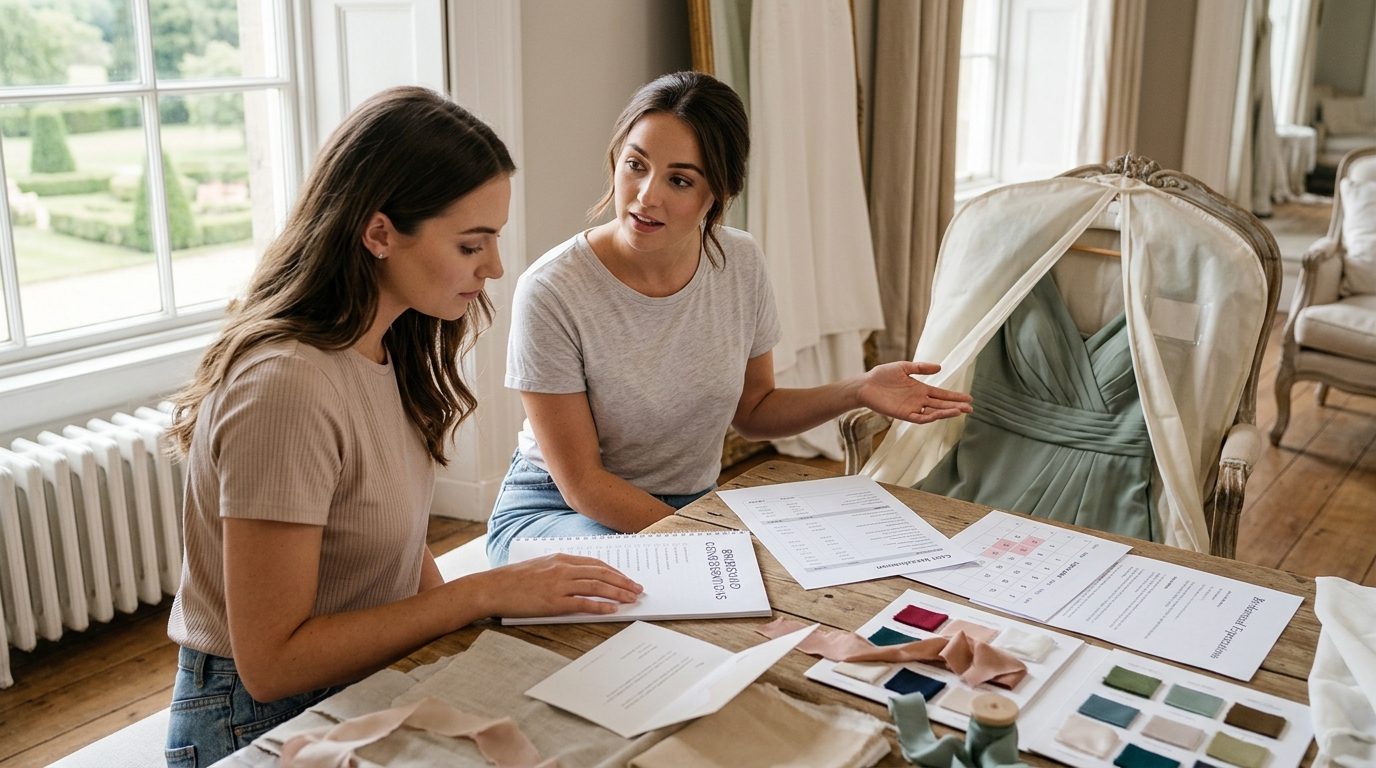
Will the bride choose the dress entirely? Will you have input? Is the colour already decided? Will there be a specific shoe requirement? Hair and makeup — professionally done by a stylist the bride has booked, or your own choice?
The bride’s answer matters less than the fact that you know what it is before you say yes. Surprises about styling tend to cause friction disproportionate to their actual importance. A bridesmaid who agrees to the role and then baulks at the dress choice creates tension. A bridesmaid who knew from the start that the dress was going to be sage green satin and agreed anyway has no grounds for complaint.
For dress trends and what to expect at fittings, the bridesmaid dresses UK guide covers the current styles, typical price points, and what the fitting process involves.
Question 7: What happens if something changes in my life?
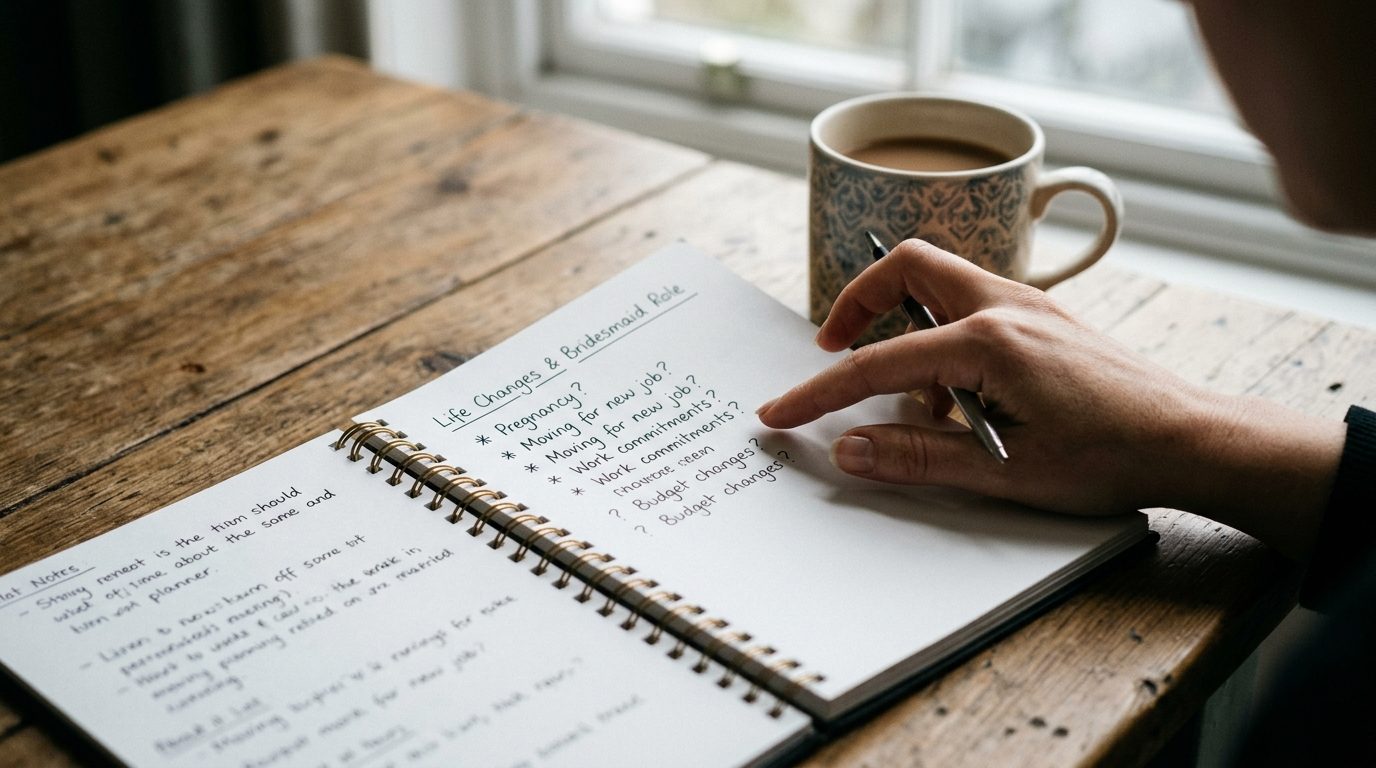
This is the question nobody wants to ask. But it is the one that saves the most relationships.
Life changes. Jobs move. Relationships end and begin. Babies arrive. Health changes. Financial circumstances change.
Ask the bride: “If something comes up in my life between now and then that makes it hard for me to fulfill part of this — what would you want me to do?” A bride who says “just tell me and we’ll work it out” is telling you something important about how she will handle problems. A bride who says “I’d need you to find a way no matter what” is also telling you something important.
This is not pessimism. It is the kind of adult conversation that keeps friendships intact when things get complicated. The my best friend pulled out as bridesmaid the day before account shows exactly what happens when this conversation is never had.
Question 8: How important is this role to you — and to us?
The least-asked question. Often the most important.
For some brides, having their closest friends stand beside them is the emotional core of the whole day. For others, it is a lovely traditional gesture, but they would not be devastated if one person had to step back. Knowing which type of bride you are dealing with tells you how much weight you are carrying.
And for your side: how important is this friendship to you? If you say yes and then struggle to keep up with the expectations, is that worth the cost to the relationship? If you say no — and as the can I refuse to be a bridesmaid guide covers, you absolutely can say no — how will that affect things between you?
These are not questions to ask the bride out loud. But they are questions to answer honestly for yourself before you say yes.
What happens when you don’t ask these questions
The questions above take 20 minutes to have. They are not interrogations. They are the kind of direct, warm conversation that good friends have with each other. A bride who cannot handle these questions being asked may be signalling something important about how she will handle the stress of wedding planning for the next 12 months.
For what bridesmaids are really thinking — the things they notice but often don’t say — the things bridesmaids secretly hate piece is essential reading for both sides.
Frequently asked questions
Is it rude to ask questions before agreeing to be a bridesmaid?
No. Asking upfront about costs and commitments prevents misunderstandings later. A bride who expects a good bridesmaid should welcome the conversation.
How much does being a UK bridesmaid typically cost?
The range runs from £300 to over £2,000.
Can I say yes to being a bridesmaid and then step back later?
Yes, but it becomes harder the closer you get to the wedding. Stepping back 6-plus months out is manageable. Within 8 weeks, it causes real disruption.
What if I can't afford to be a bridesmaid?
Say so early and honestly. Most brides would rather adjust their plans than lose a friend. The conversation is far easier at the start than after the dress has been ordered.
Do bridesmaids have to pay for their own dresses in the UK?
There is no rule — it depends entirely on the bride. Always ask before assuming.
How many hours per month should a bridesmaid expect to give?
Maid of honour roles ran closer to 20 hours per month in the final 3 months.
What happens if I disagree with the bride's choices as a bridesmaid?
You have one honest conversation and then you support her decision. Being a bridesmaid means helping the bride have the wedding she wants, not the one you would choose.